North
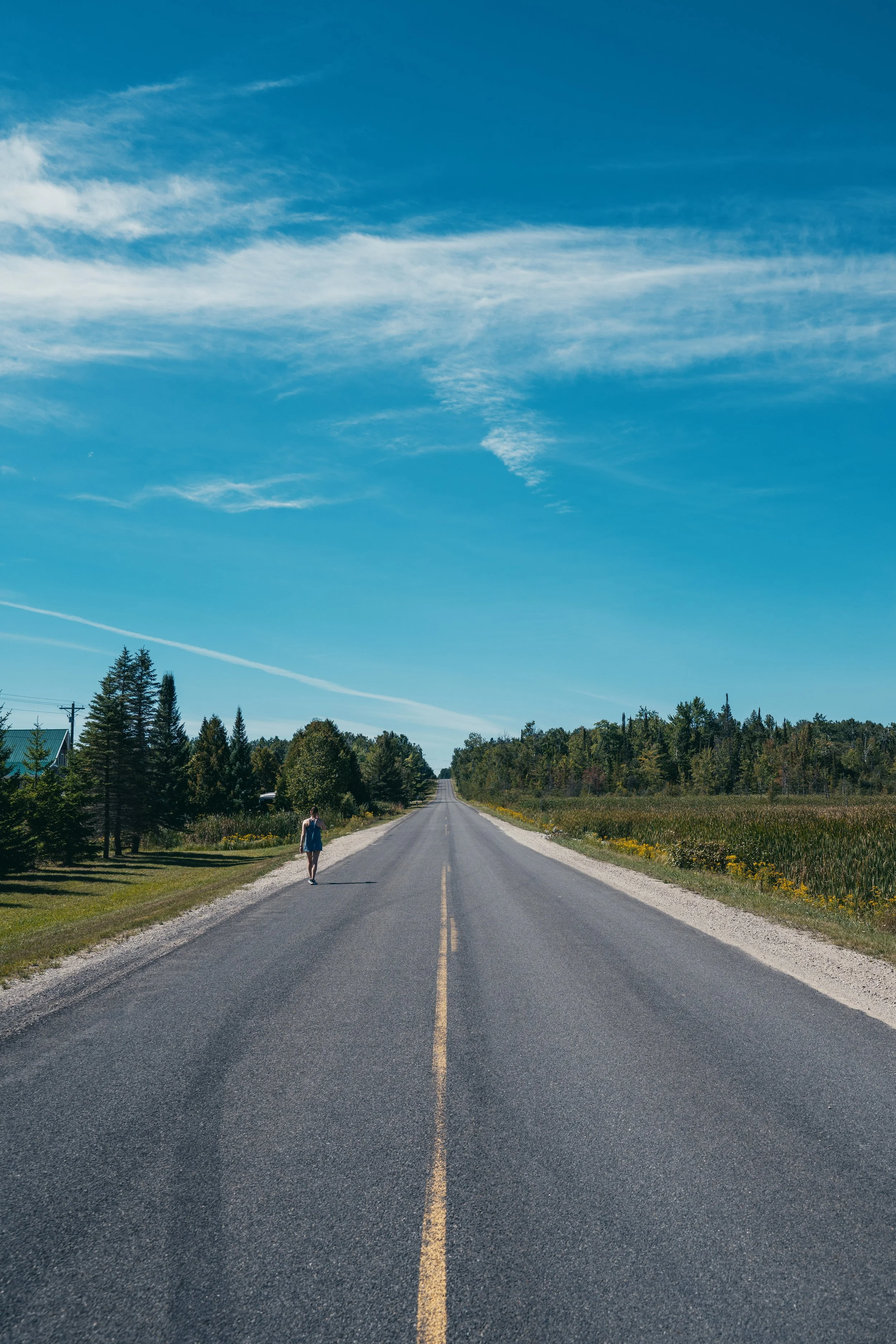
The morning after a night of fun and friends in Detroit, we got up early and pointed the Mustang north. Not a little north. Very north.
If you ask someone from Michigan where they live, they will hold up their right hand and point to a spot on it, because the Lower Peninsula is shaped like a mitten, and Michiganders decided long ago, collectively and correctly, that this is the most useful map ever made. We were headed for the top of the mitten, up near the fingertips, to a village called Wolverine.
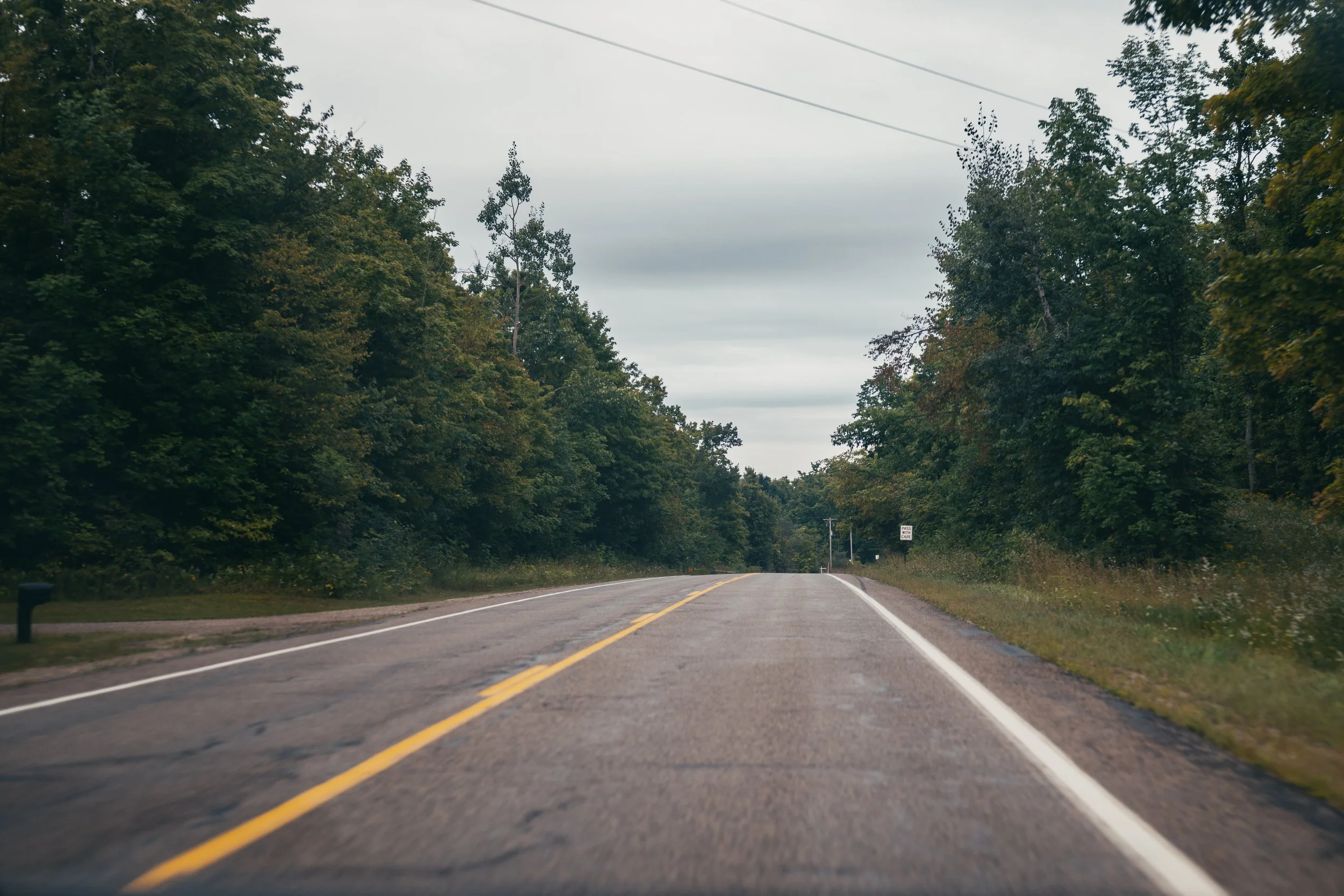
I want to tell you what happens to a map when you drive north in Michigan. First there are cities. Then the cities give way to towns, and the towns give way to what I can only call communities: a church, a gas station that closed years ago, and a handful of houses that have agreed to share a name. And then the communities fade into trees. Not some trees. All of the trees. So many trees that you begin to suspect the word "tree" is insufficient, the way the word "big" is insufficient for the ocean.
I'd love to tell you I spent those hours contemplating the forest. Mostly I contemplated the gas gauge.
Somewhere in that long green middle, I started doing the kind of math that anxious people do, which is less like arithmetic and more like a prayer with numbers in it. The miles left in the tank were going down. The miles left to drive were not. And there were no gas stations. I don't mean there were few gas stations. I mean the trees appeared to have eaten them.
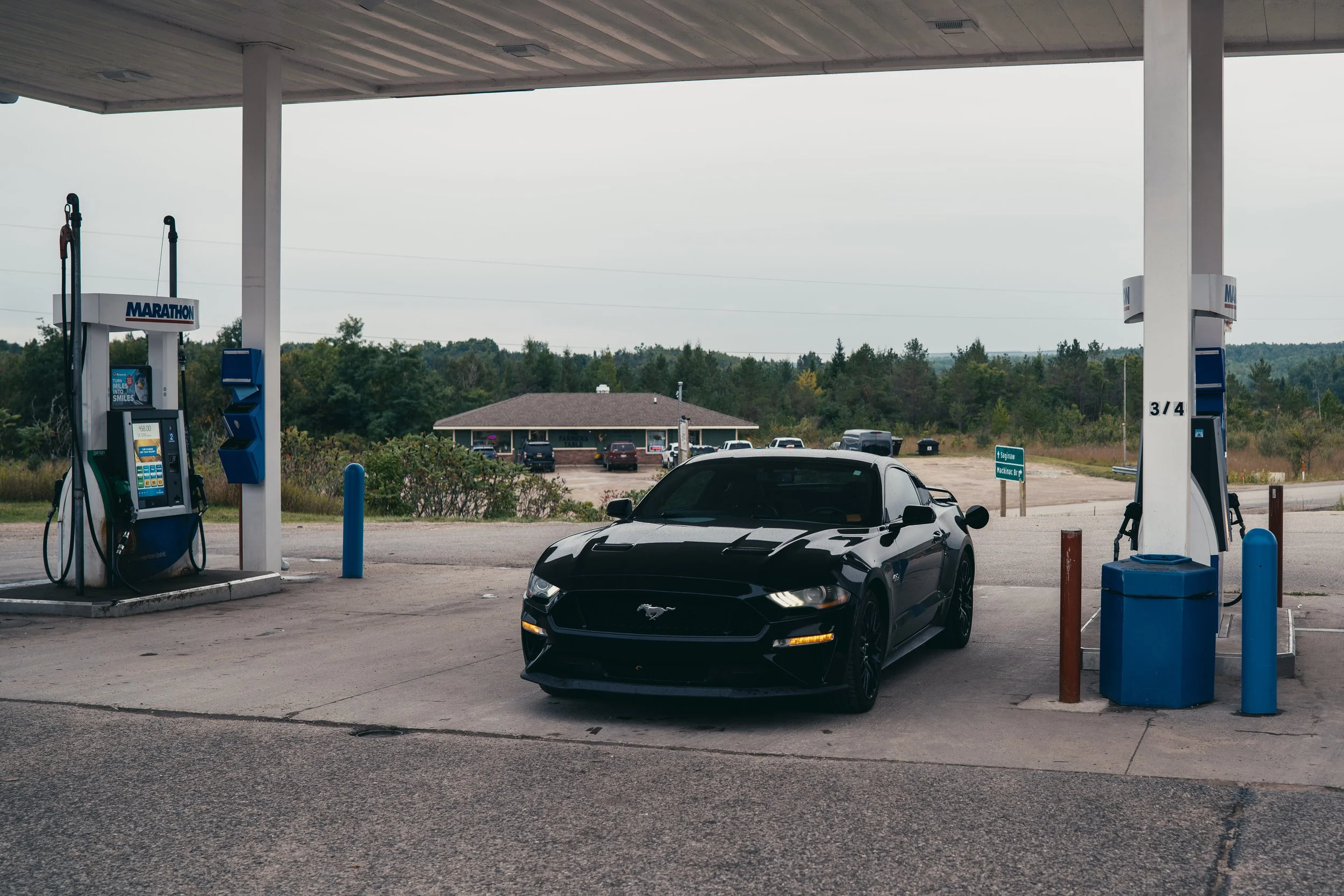
We pulled into a station with ten miles left on the gauge.
Ten miles. Which, I would like to point out, was enough. It was always going to be enough, in the way that most of the things I worry about turn out to be enough. Knowing that has never once stopped me from worrying. But it is nice to be reminded, every now and then, that the road usually goes where it says it goes.
Wolverine
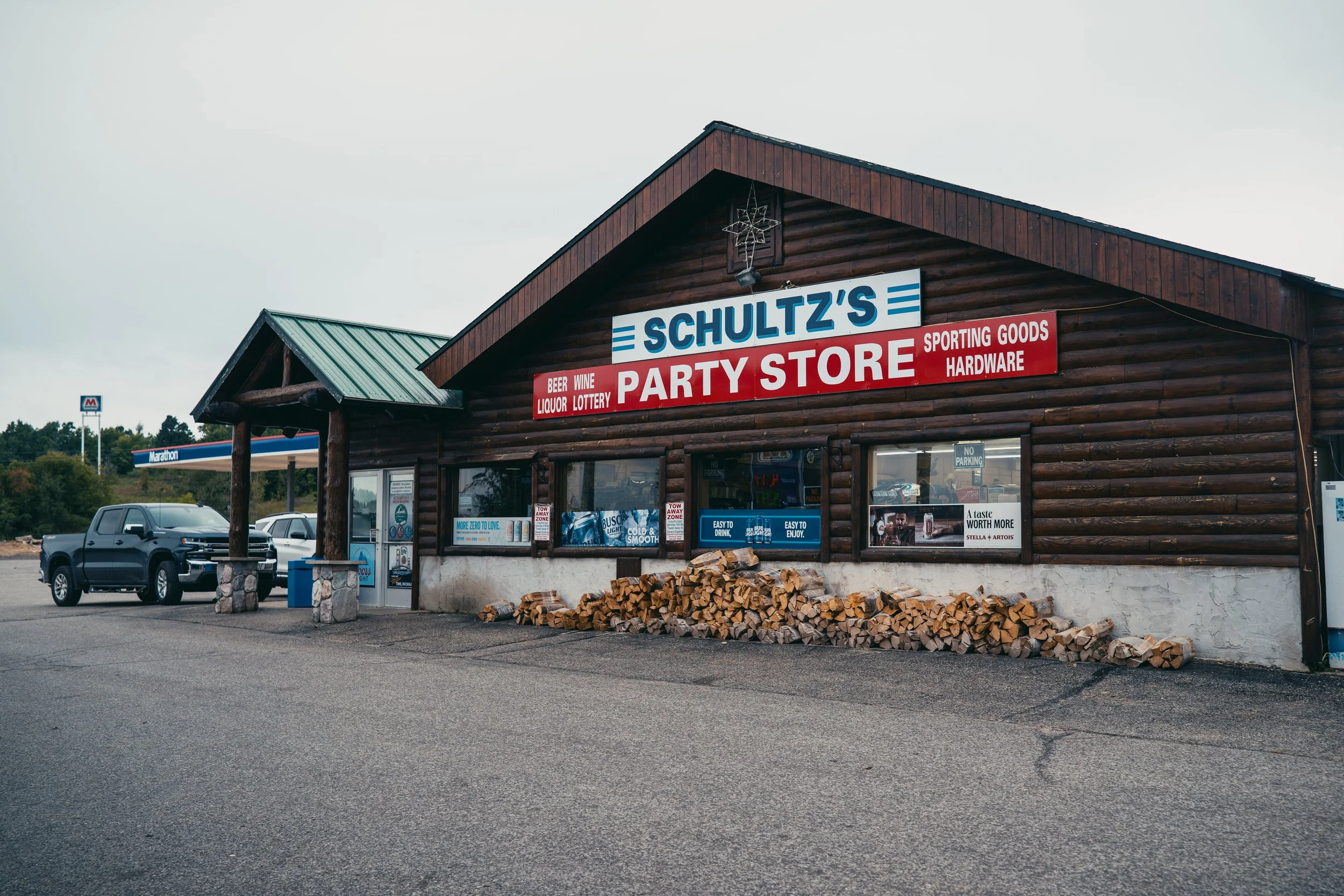
The station, for the record, belonged to a place called Schultz's Party Store. In Michigan, a convenience store is called a party store, which strikes me as the most optimistic name anyone has ever given to a building that sells firewood, hardware, and lottery tickets. But after watching that gas gauge for an hour, I have to admit it did feel like a party.
Not long after that, we reached Wolverine.
Wolverine is a village of 309 people on the Sturgeon River, about forty miles south of the Mackinac Bridge. In 1905, nearly 1,800 people lived there, many of them in the business of cutting down trees. Then the lumber ran out, and so, mostly, did the people. What came back was the forest. I find that strangely comforting: a place can lose almost everything it was and still become somewhere worth driving all that way to see.
As for the name, when a wild wolverine was spotted in Michigan in 2004, it was the first confirmed sighting in the state in about two hundred years. A state spokesman compared it to finding a polar bear. So Michigan is the Wolverine State in roughly the way that Rhode Island is an island, which is to say: mostly in spirit.
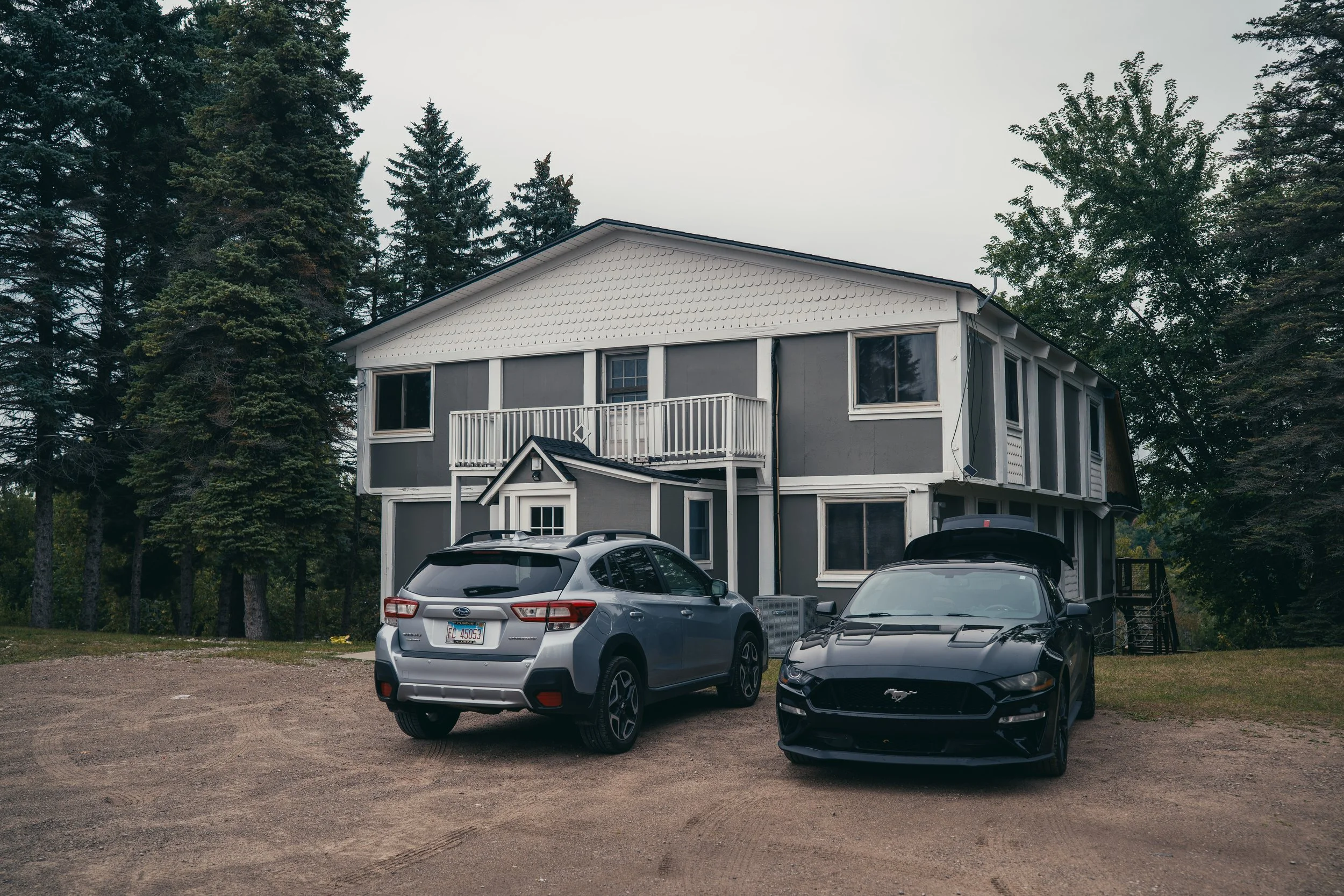
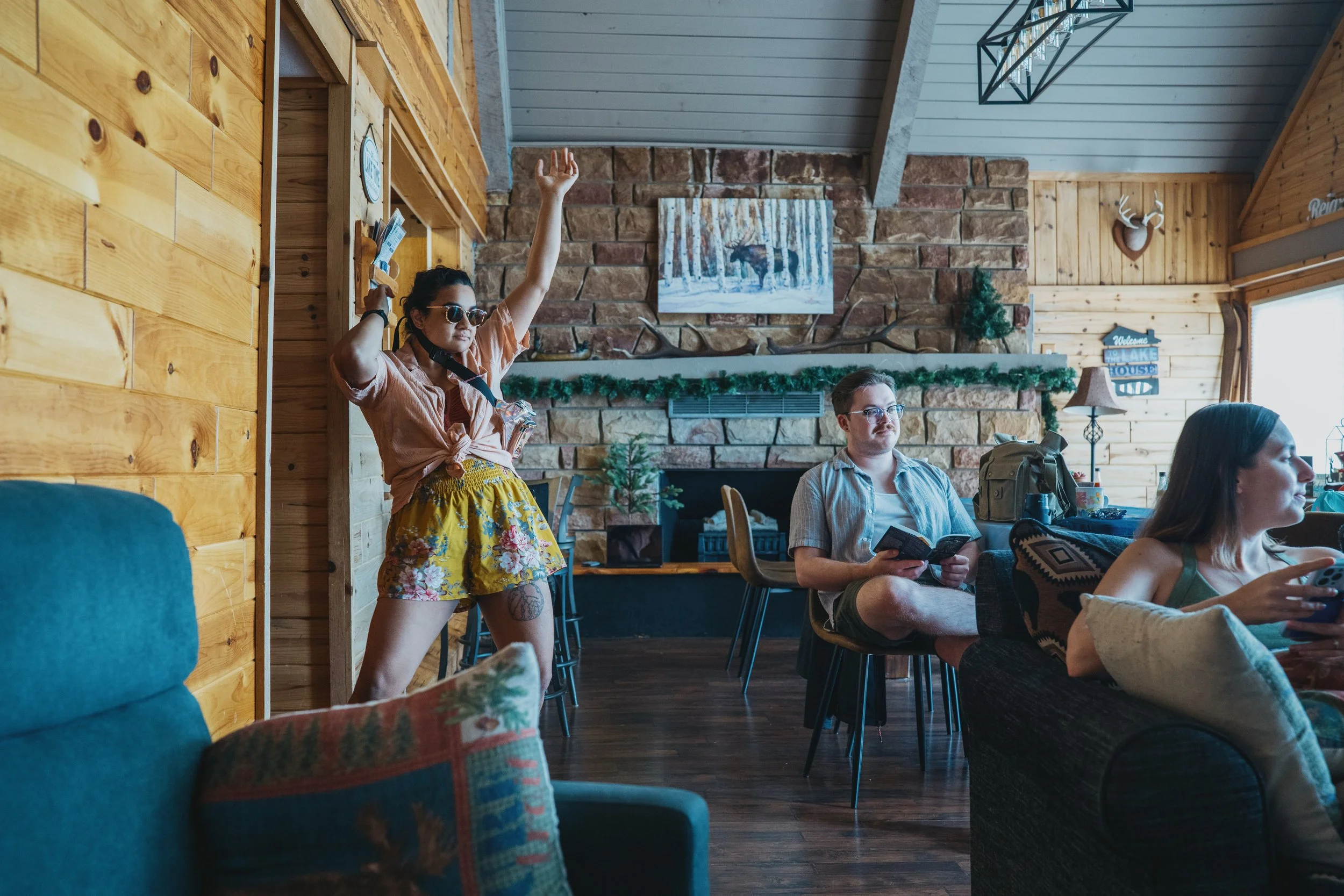
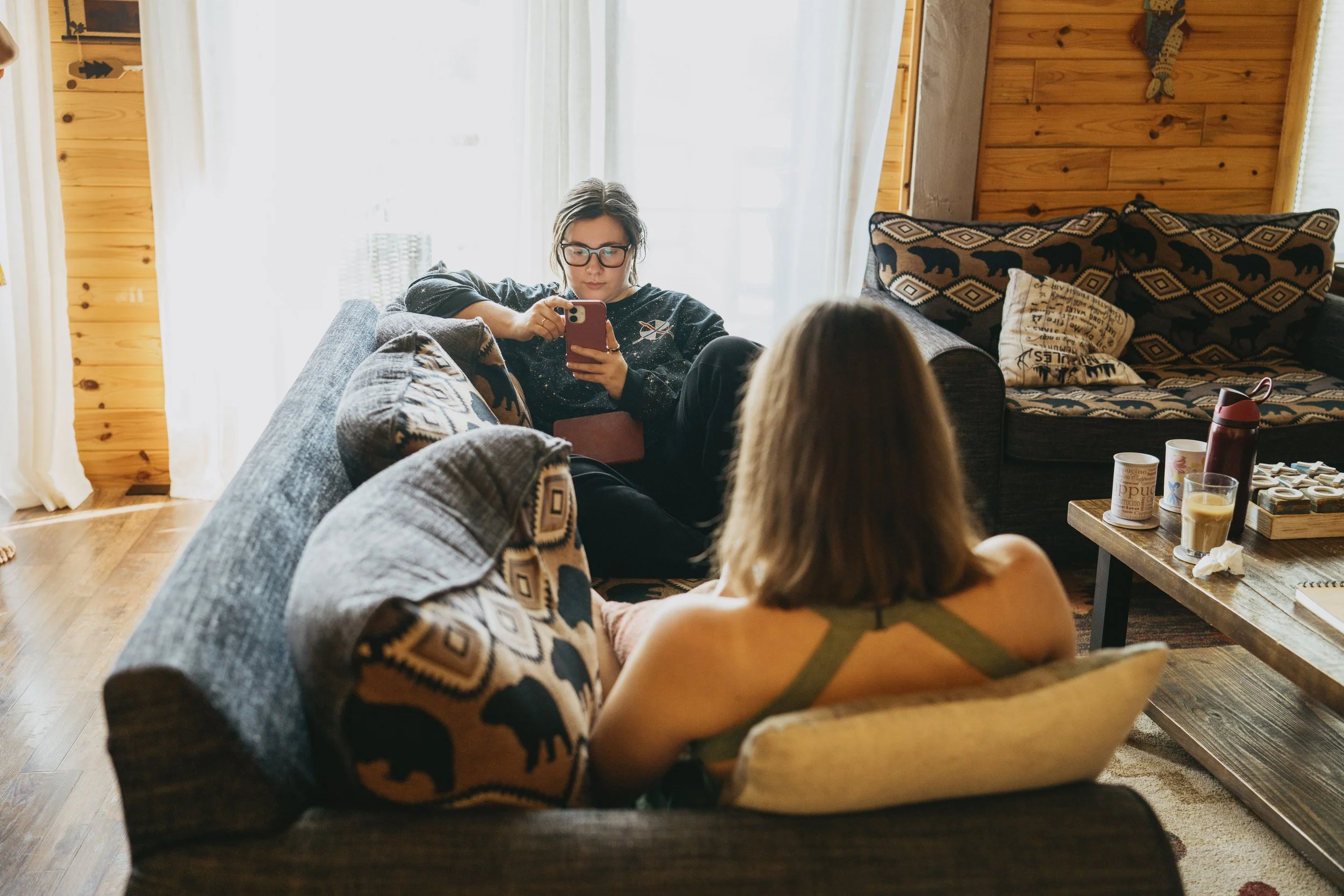
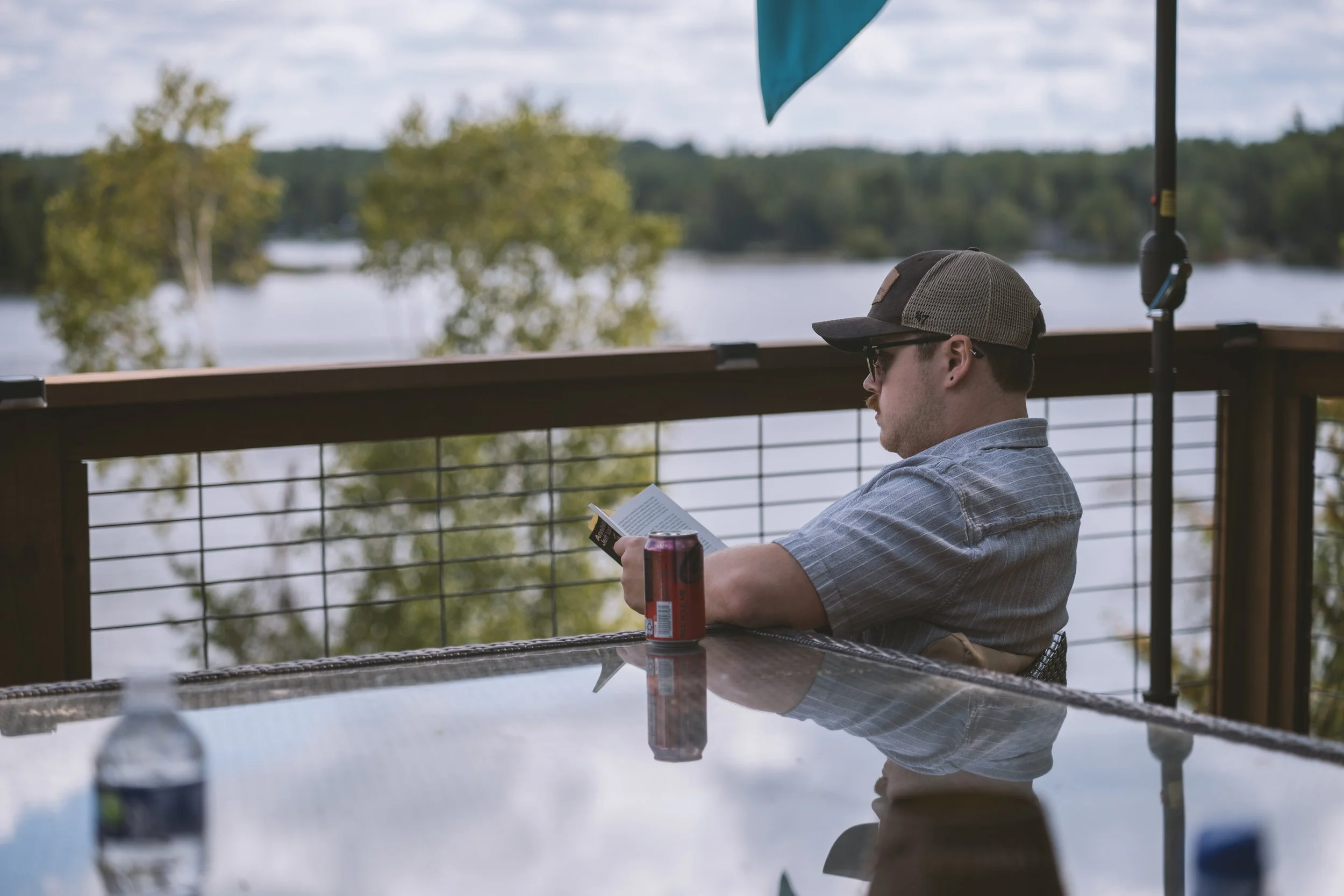
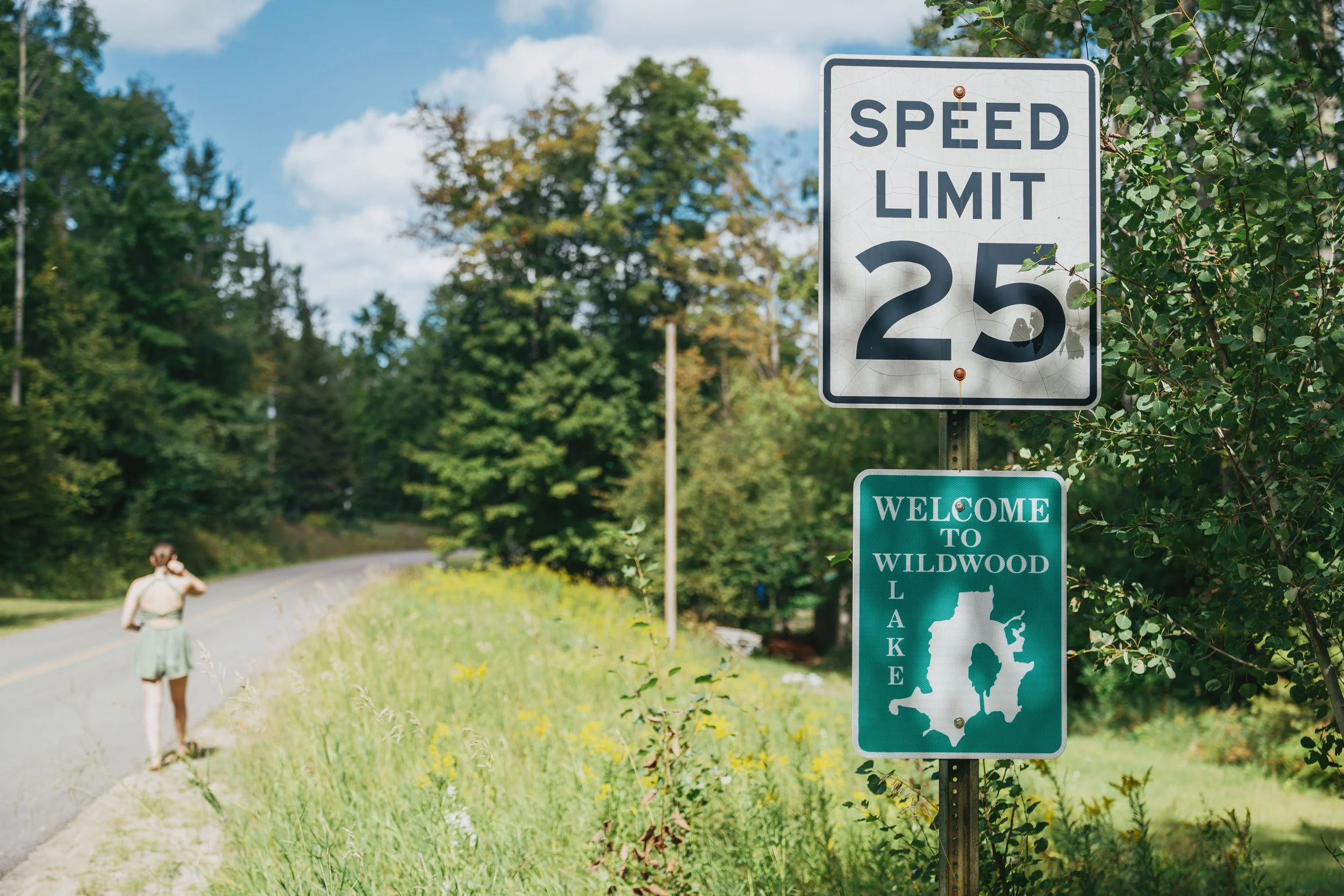
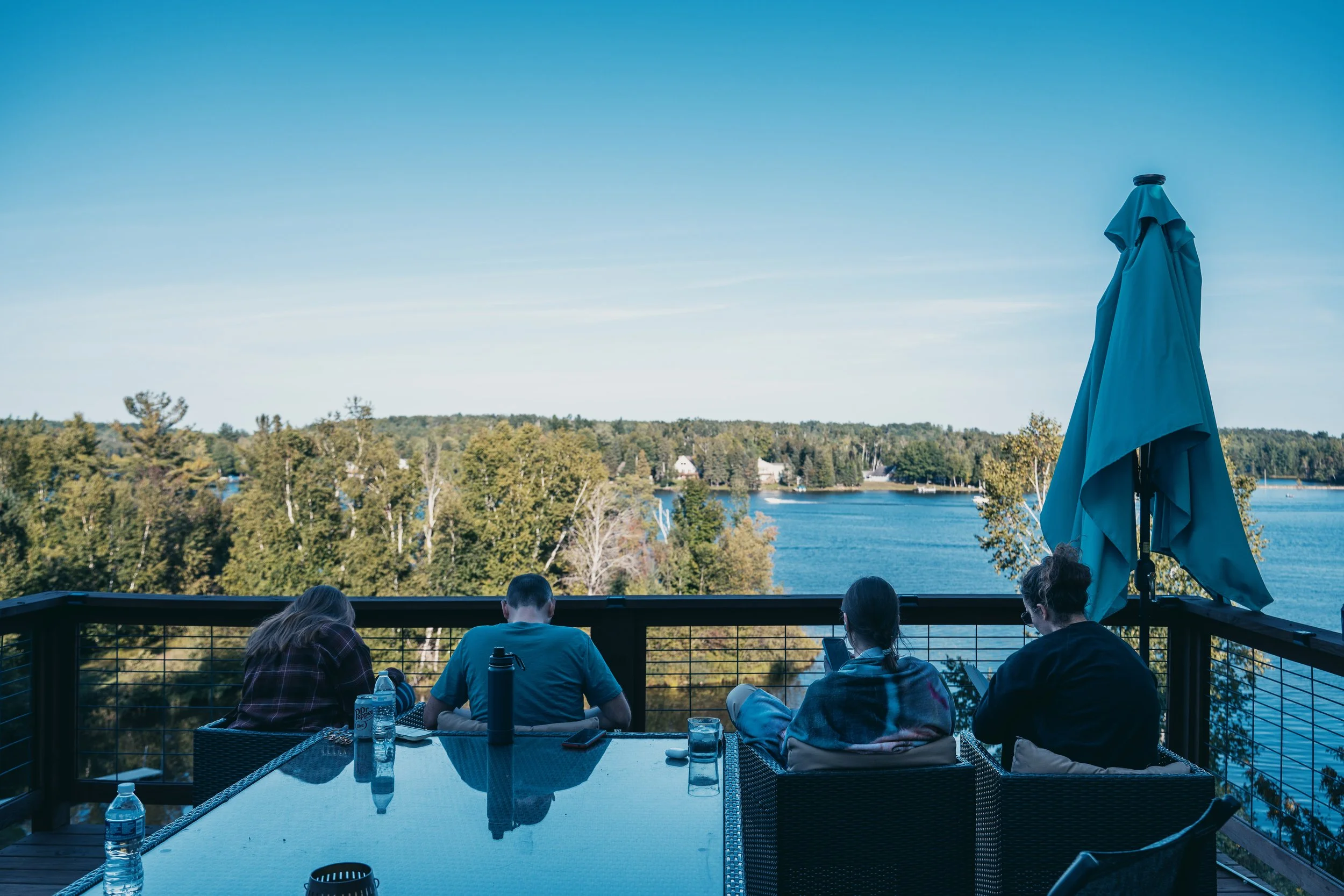
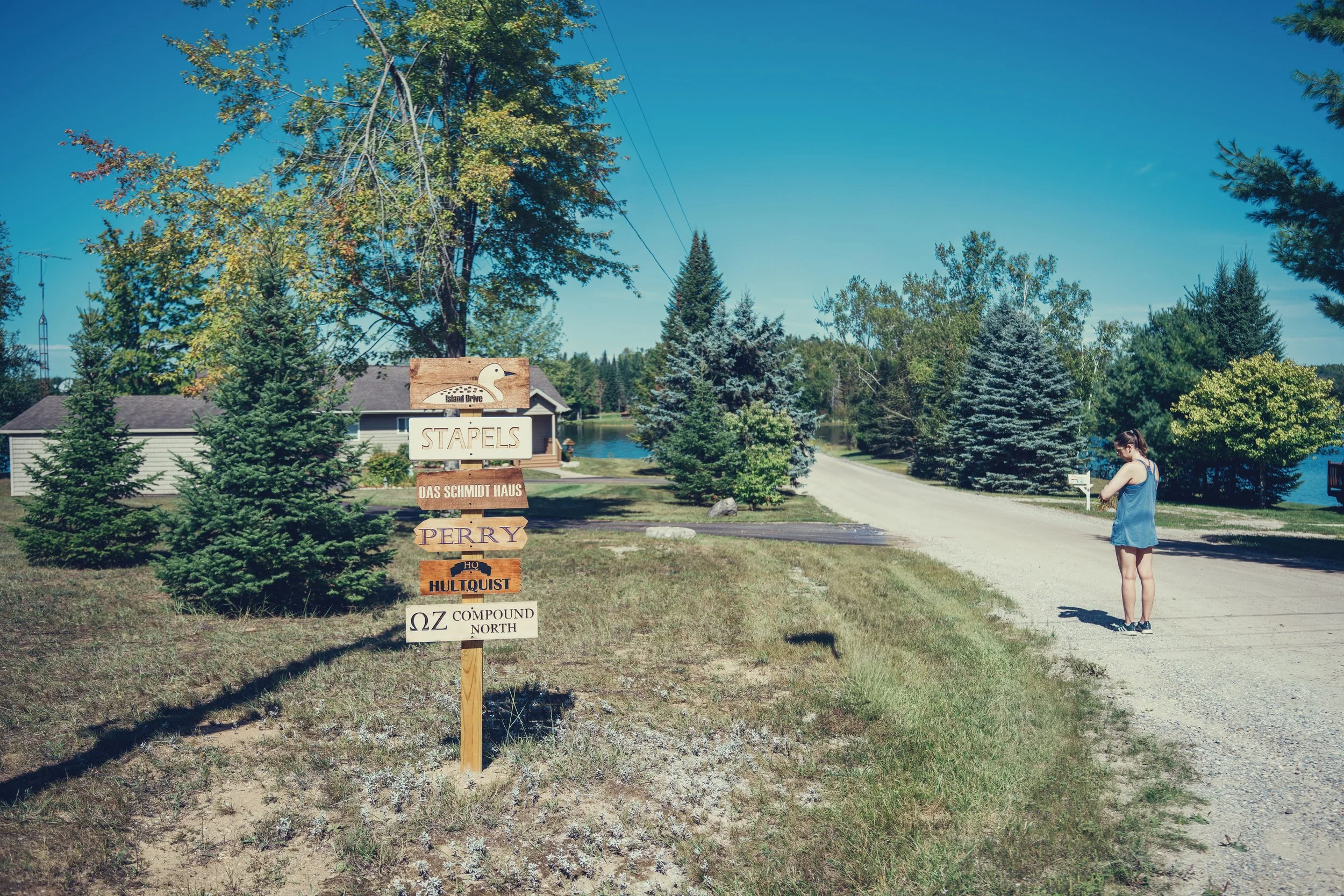
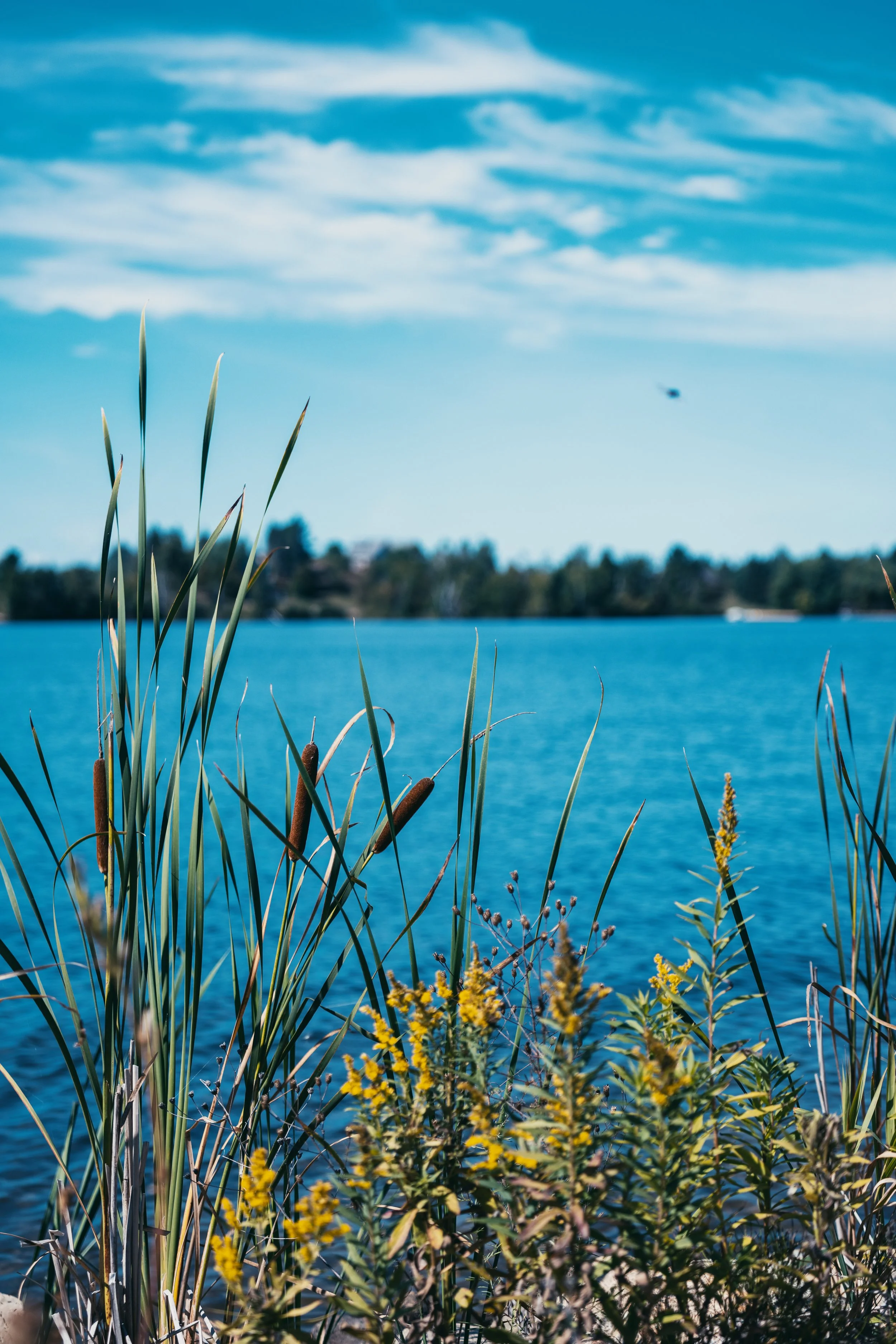
Our cabin sat on Wildwood Lake, at the end of a road with a twenty-five-mile-per-hour speed limit that felt unnecessary, because there was nowhere to hurry to. It was a big gray house tucked into the pines with a deck that looked out over the water, and it was waiting for us.
We weren't the first ones there. Another car was already parked out front. But we were early enough to pick a good room, and since the best thing you can do with being a little early is spend it on someone else, we claimed a good one for Amanda and David, too.
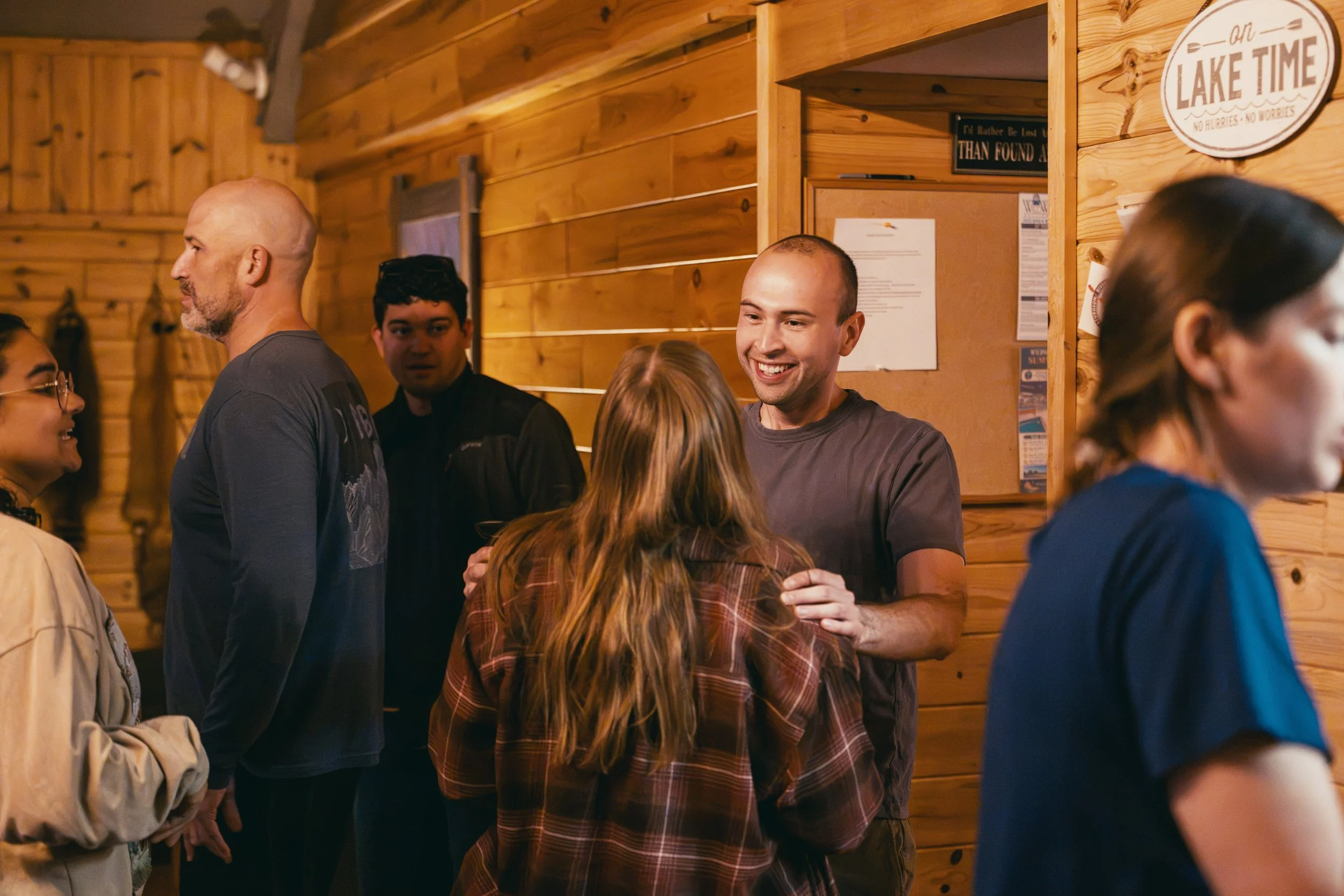
Then, all evening, the door kept opening.
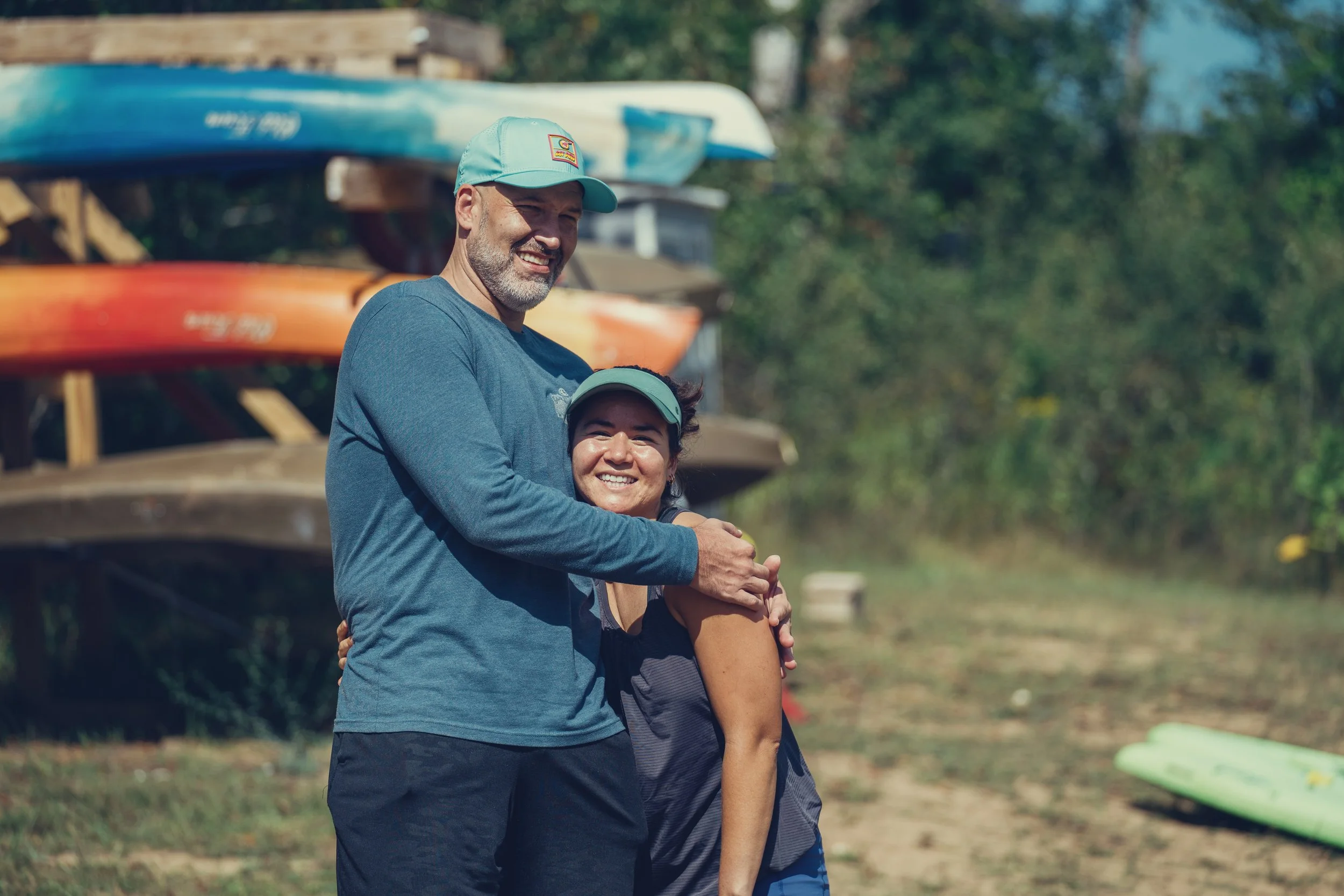
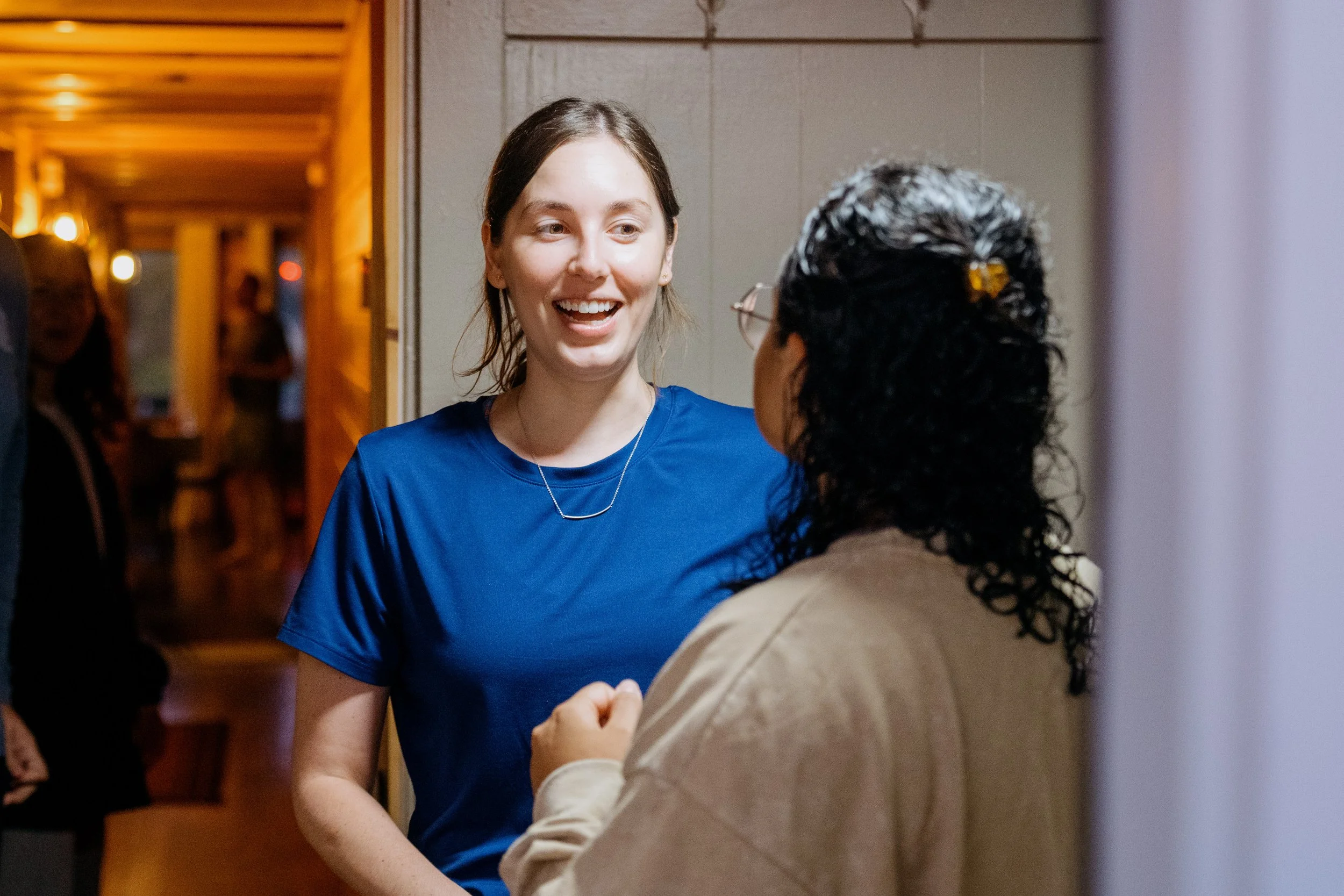
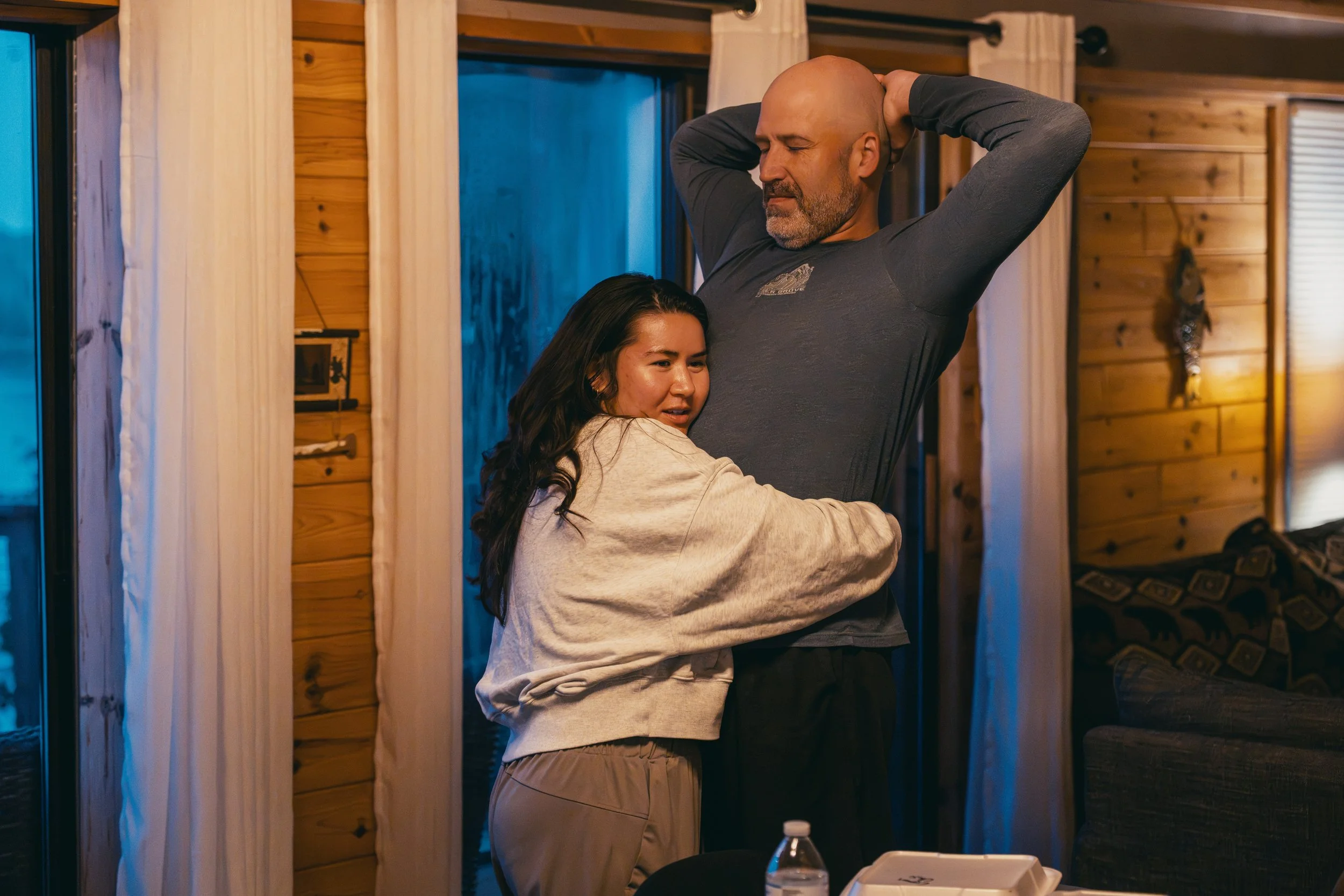
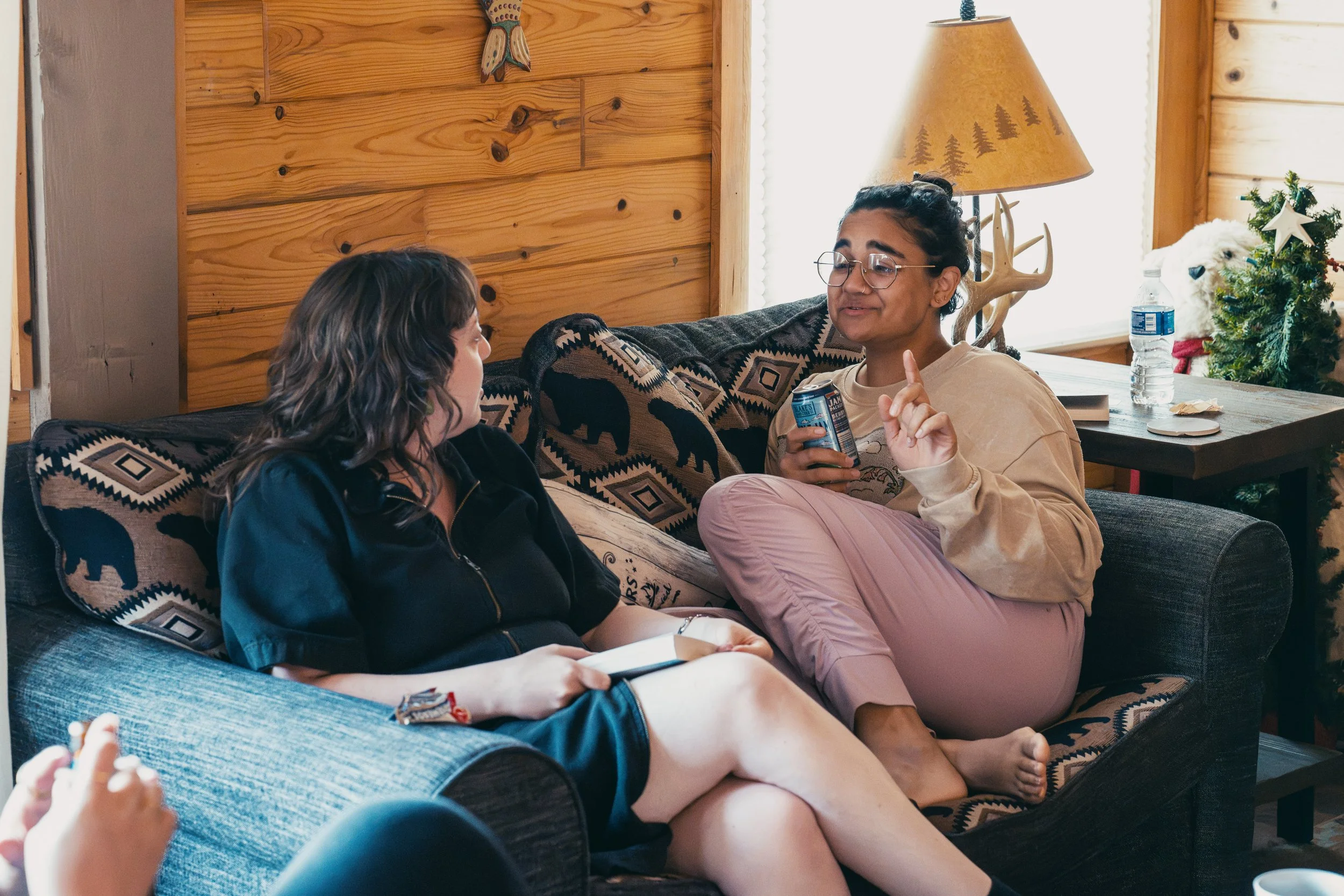
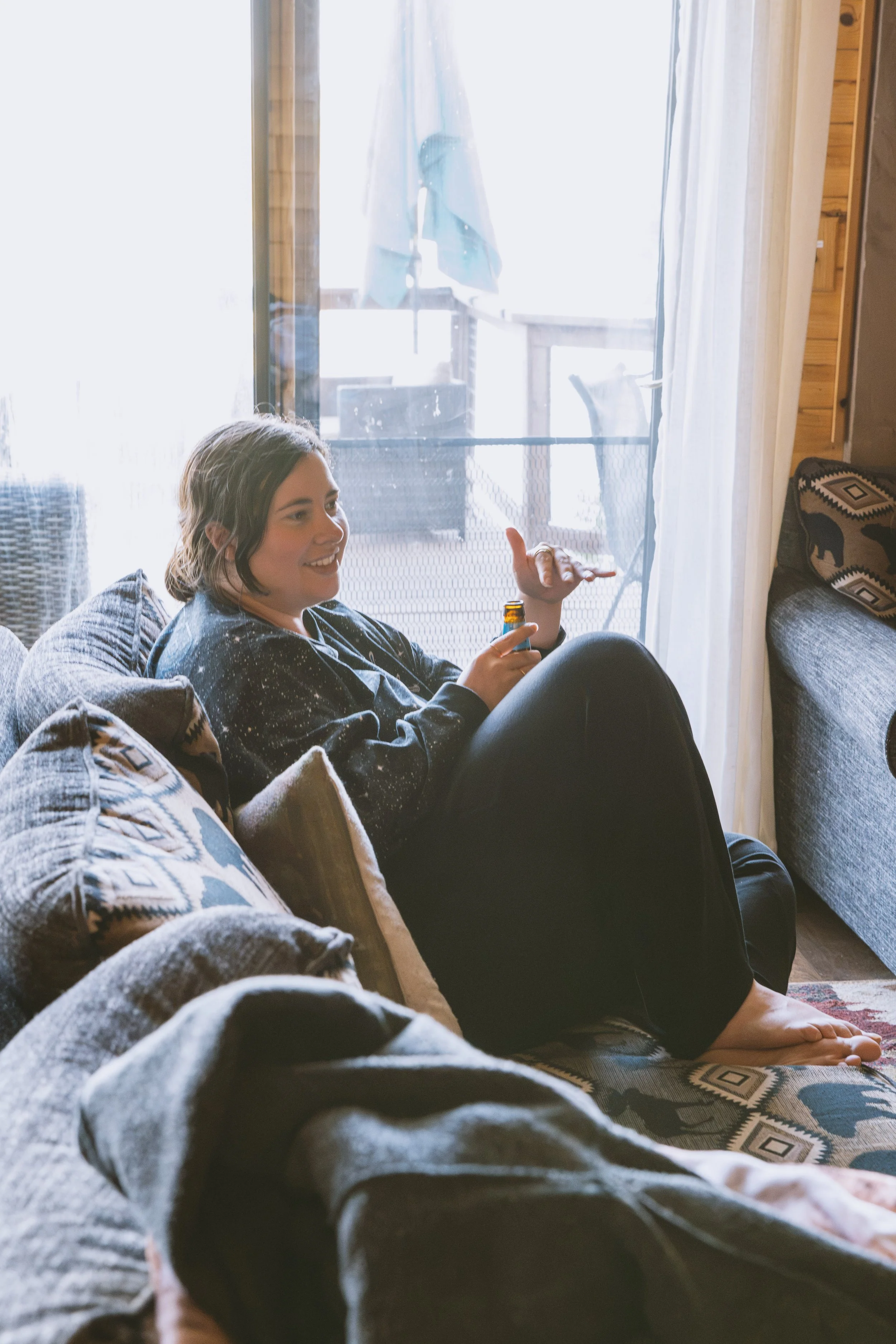
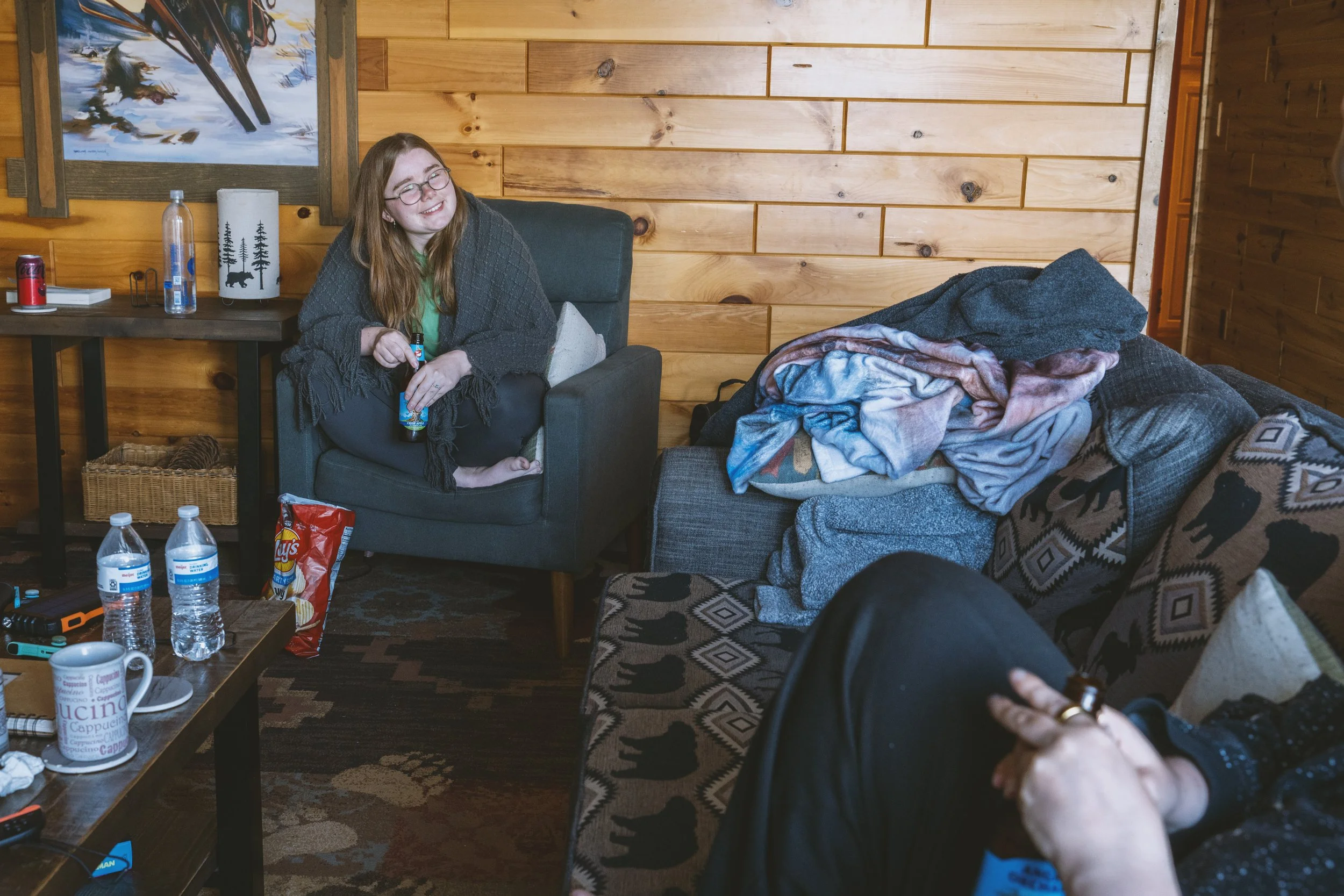
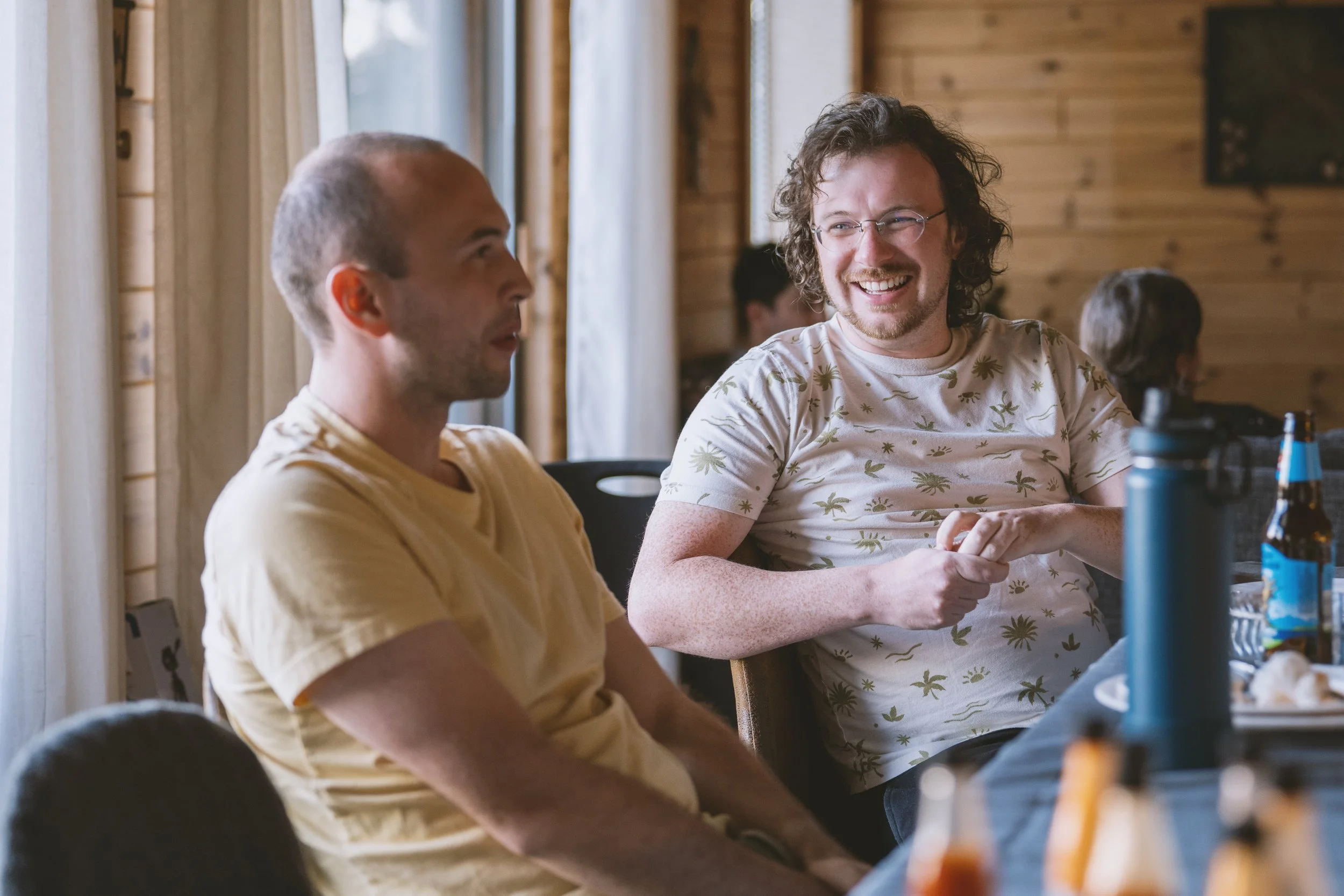
There is a particular sound a house makes when it fills with people who are happy to see each other, and it is mostly the sound of people saying each other's names. We hugged the old friends. We met the new ones. And I noticed again something I always seem to forget: every old friend was once a stranger standing in a doorway, holding a bag, wondering where to put it down.
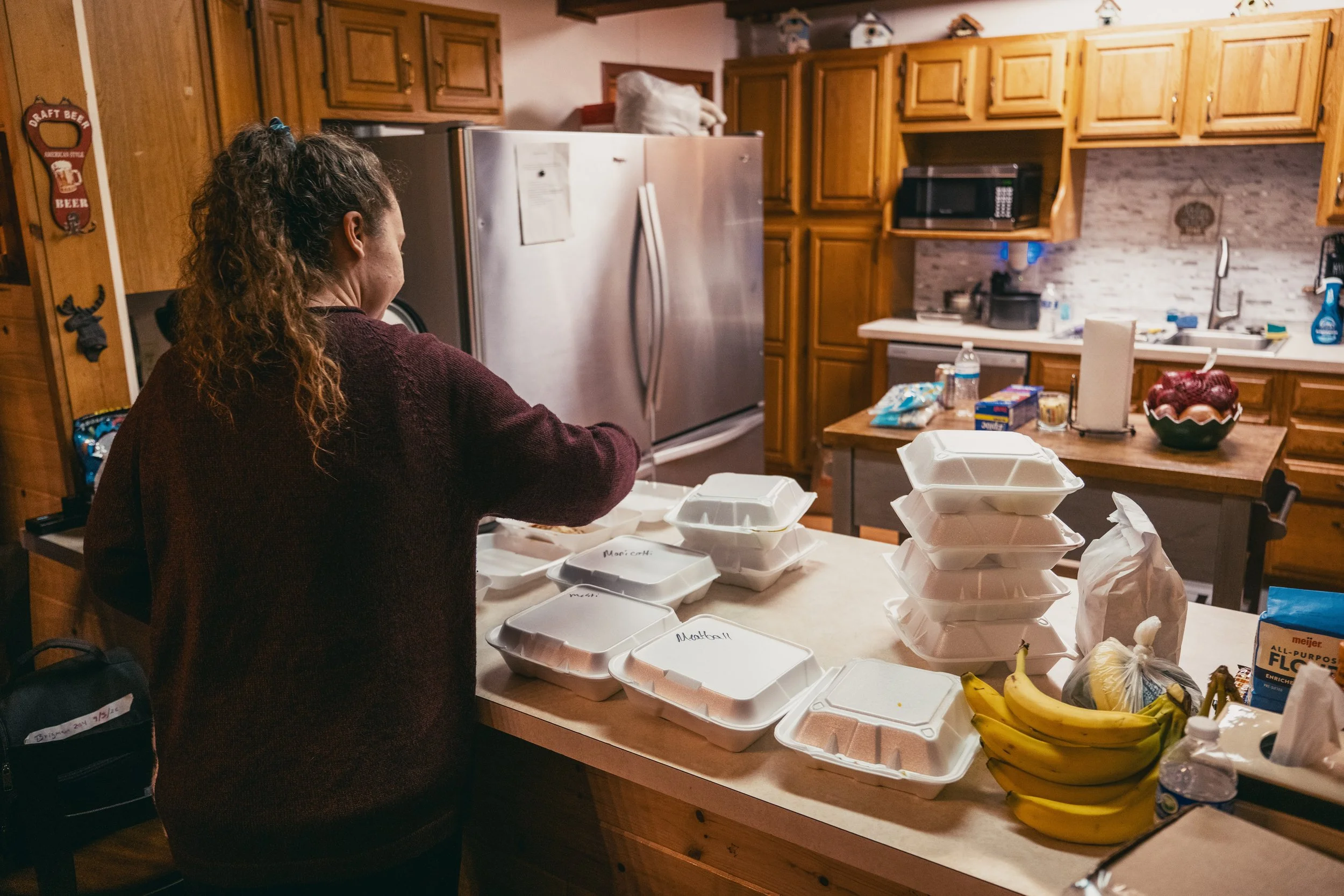
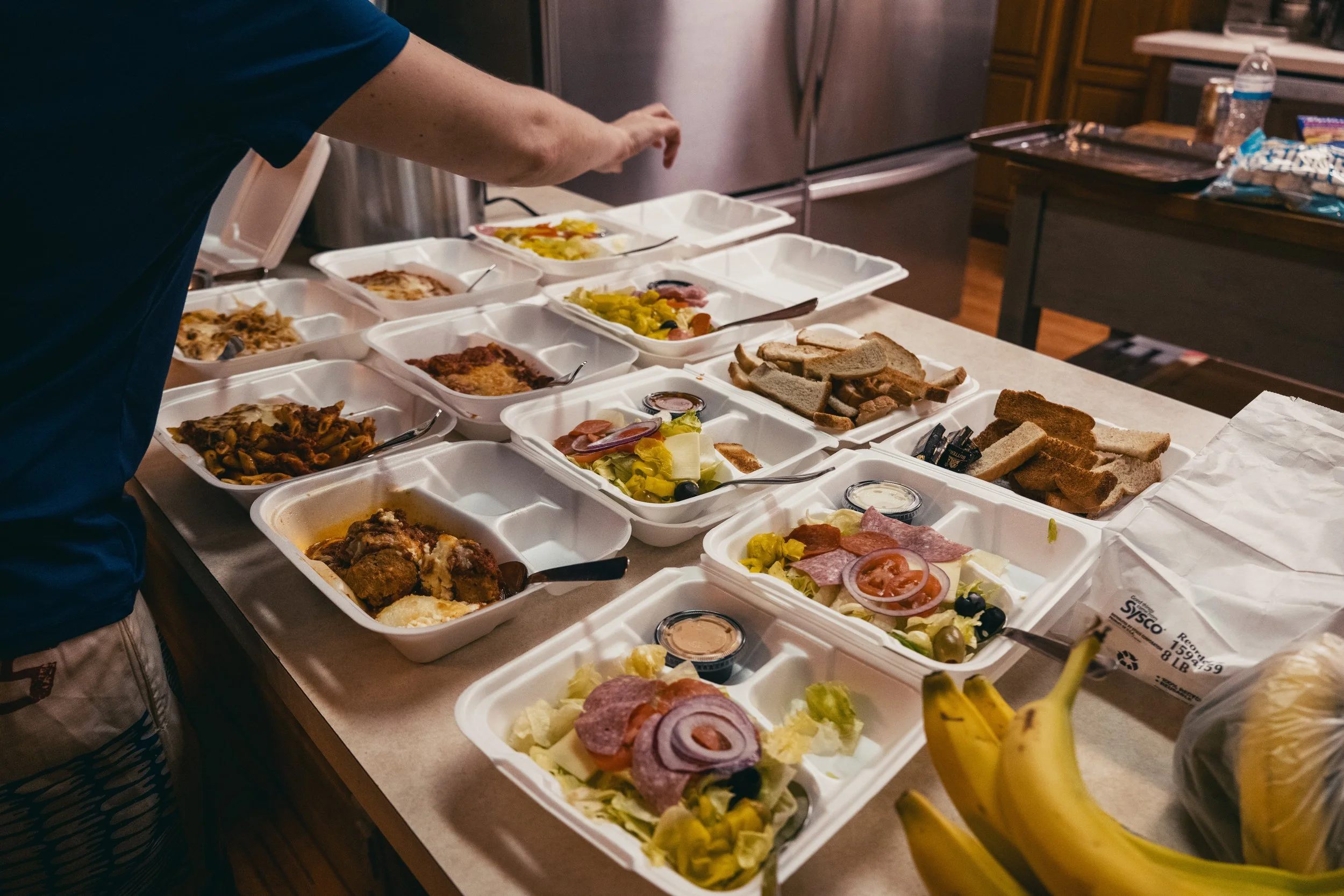
When everyone was finally there, we did what road-weary travelers have always done: we got pizza. We didn't even wait for the delivery driver. Having spent the entire day in a car, we did the only logical thing and got back in the car to go pick it up.
The Day of Nothing
The next day, we did nothing, and I want to be clear that I mean this as the highest possible praise.
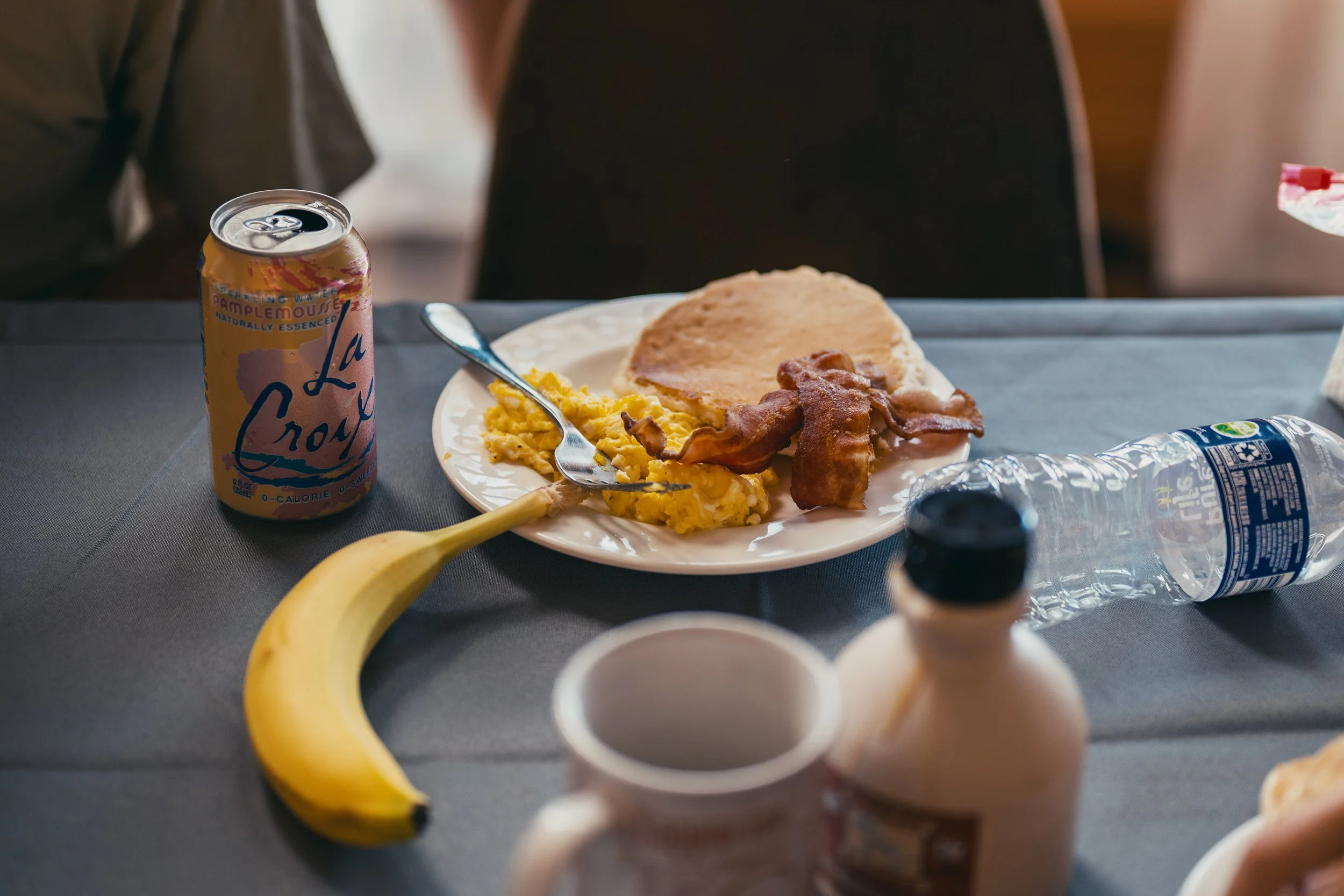
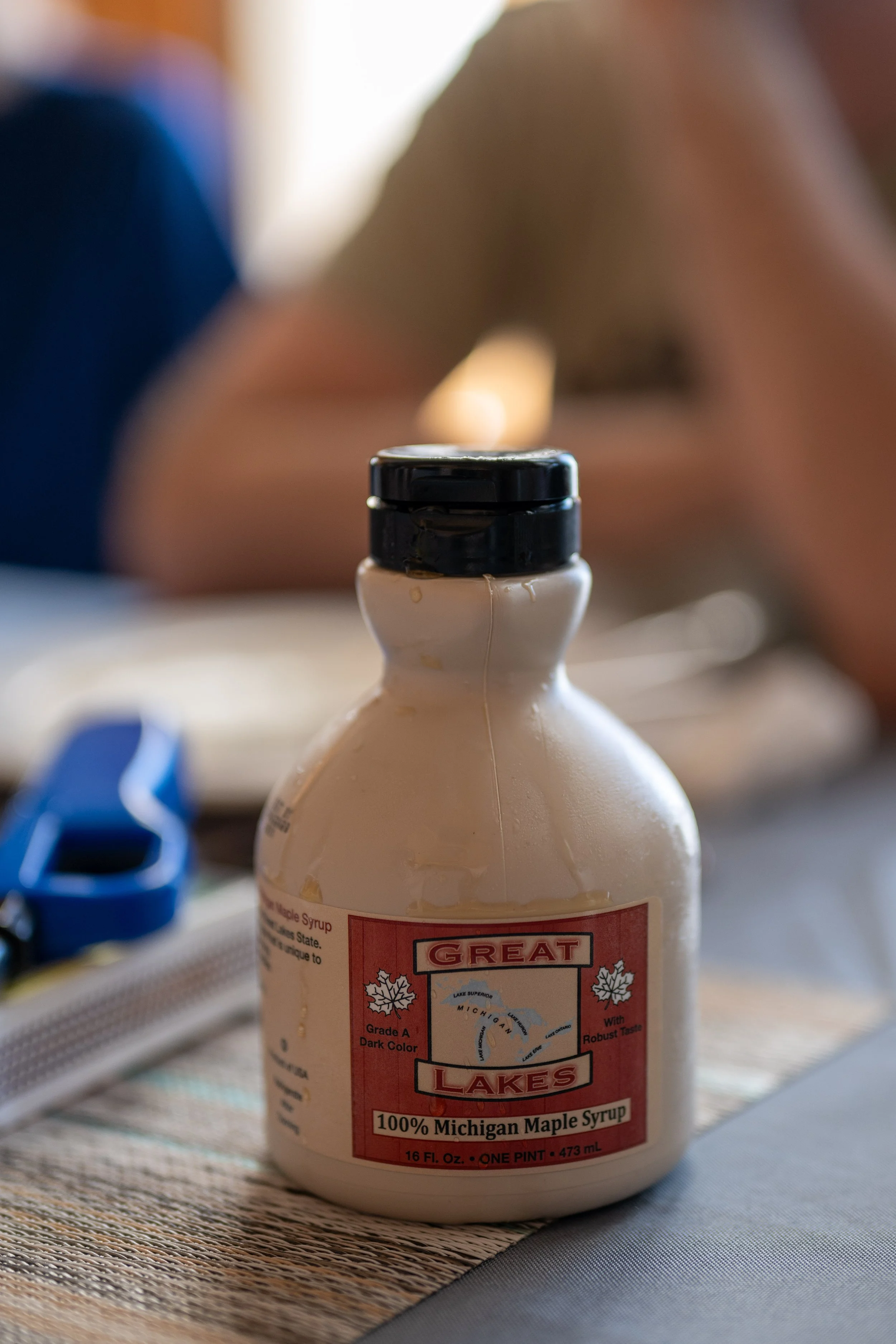
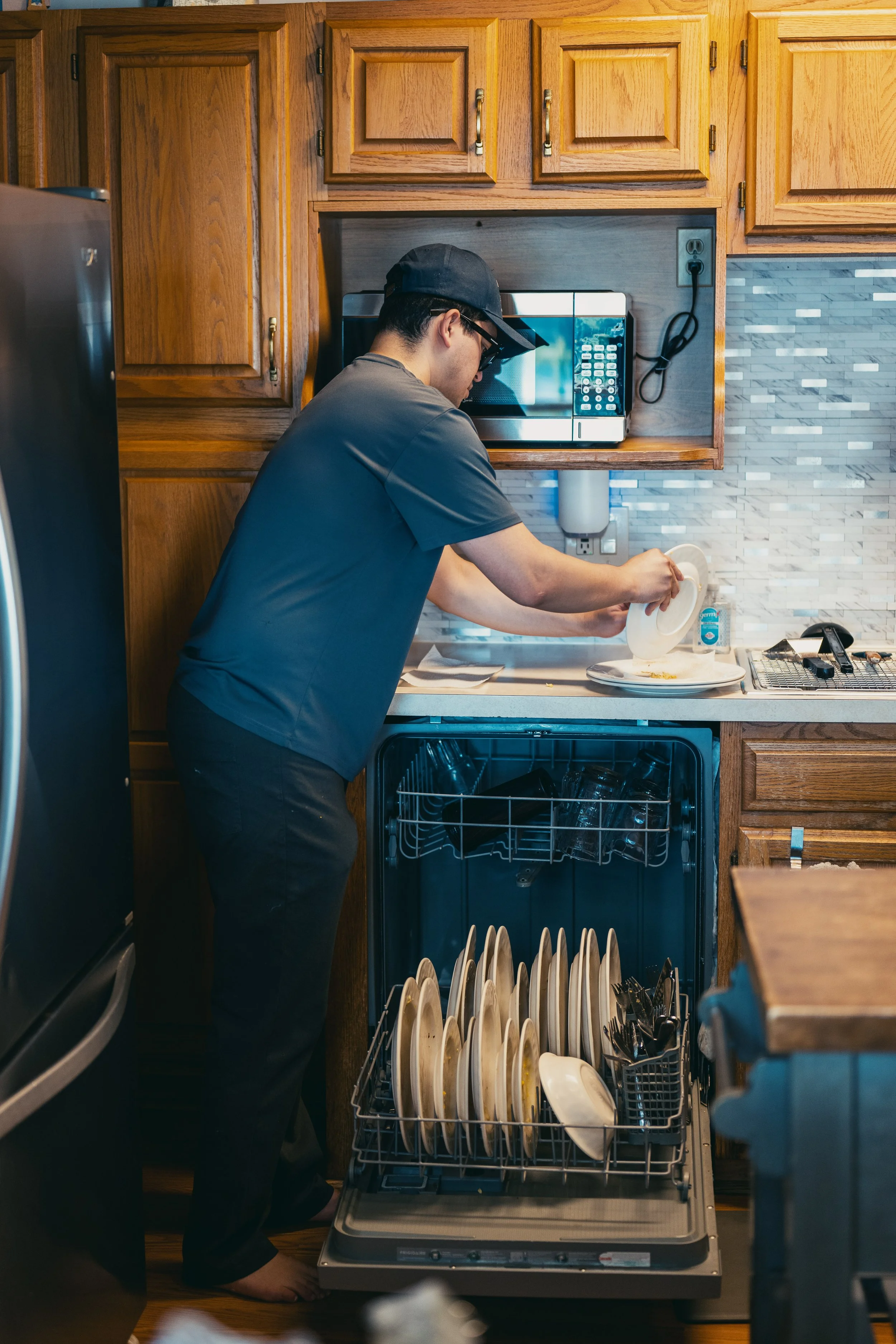
We ate pancakes with real Michigan maple syrup, the kind of slow breakfast that only happens when nobody has anywhere to be. Somebody did the dishes without being asked, which is its own kind of love language. Then we wandered outside to see what the day had in mind for us.
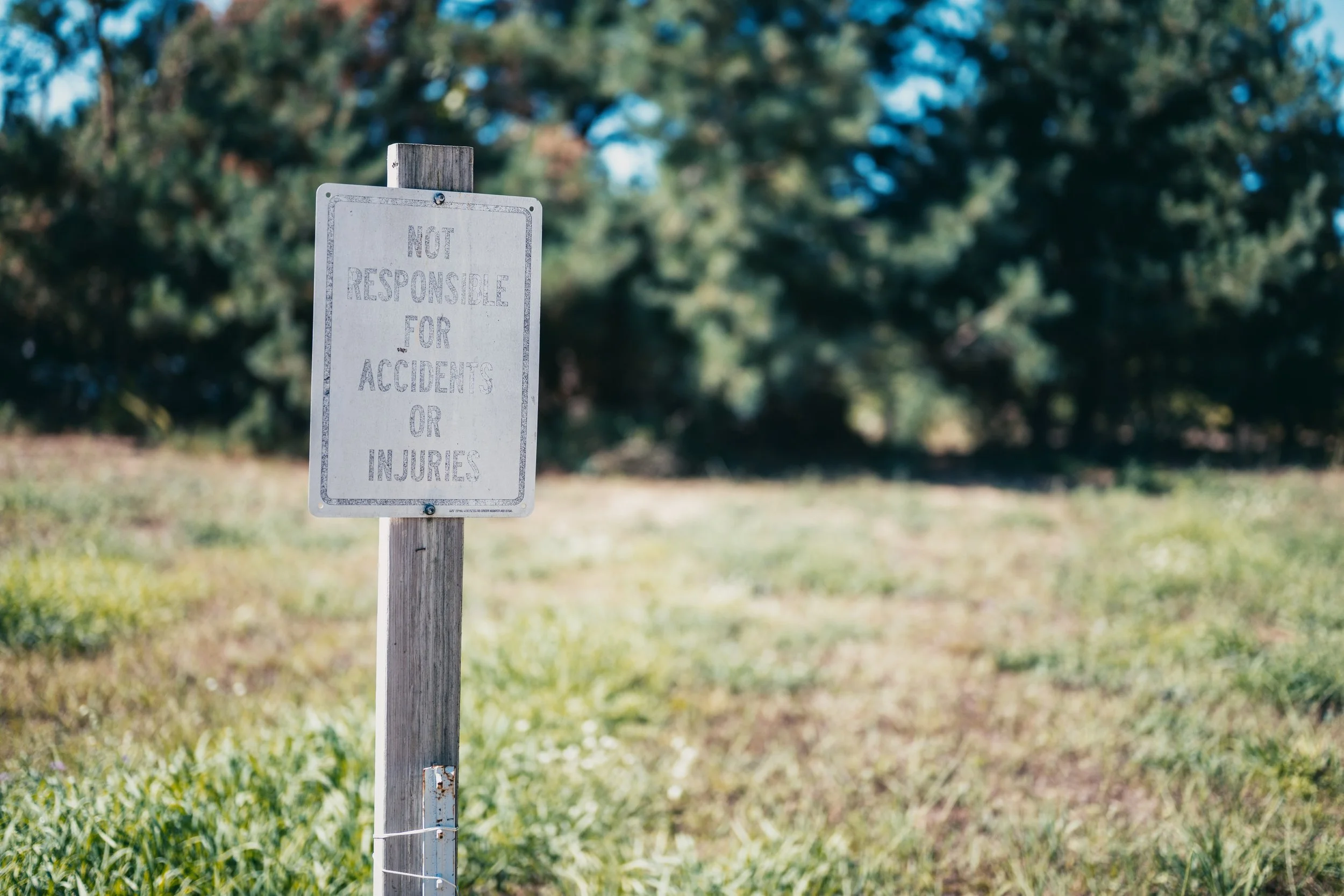
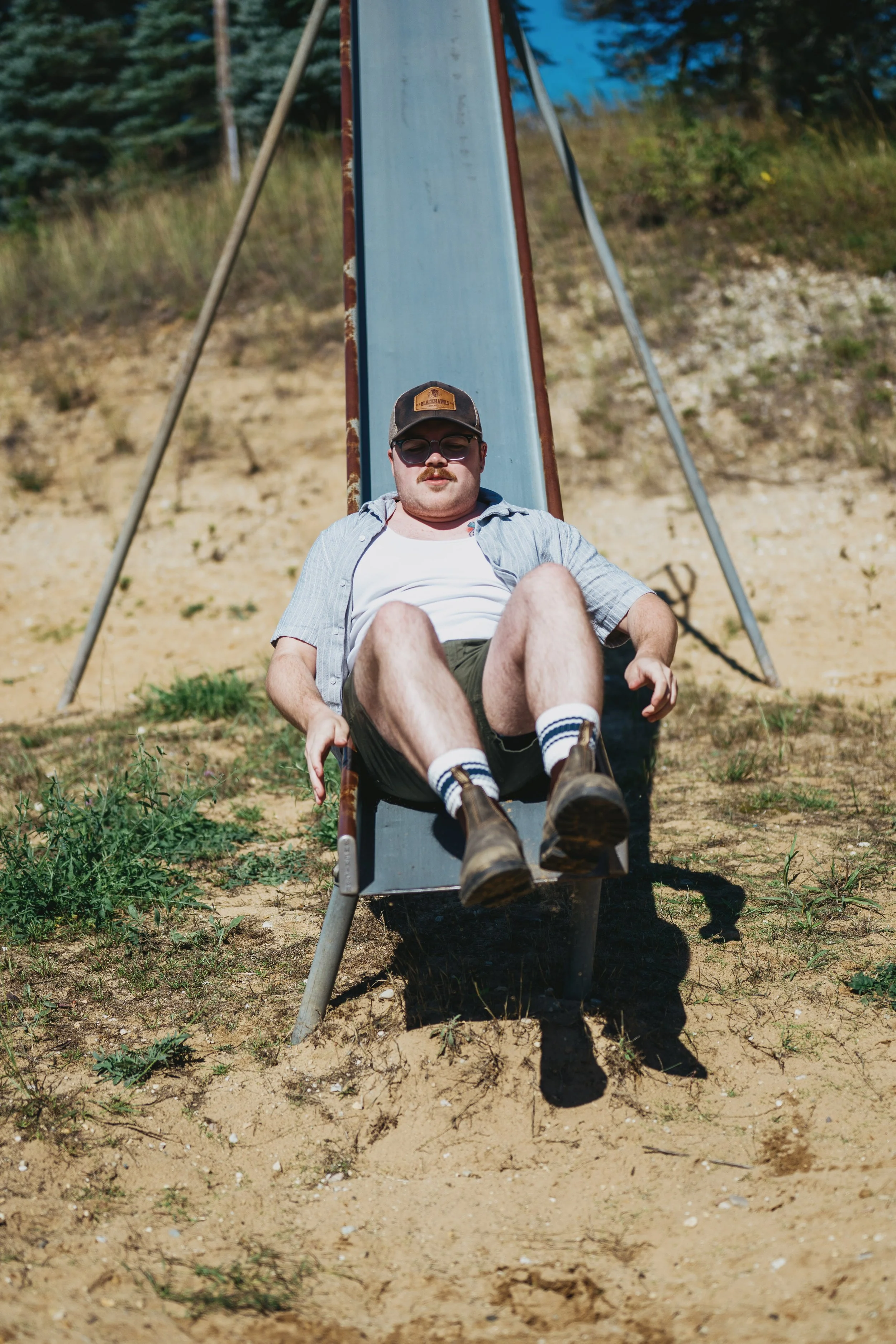
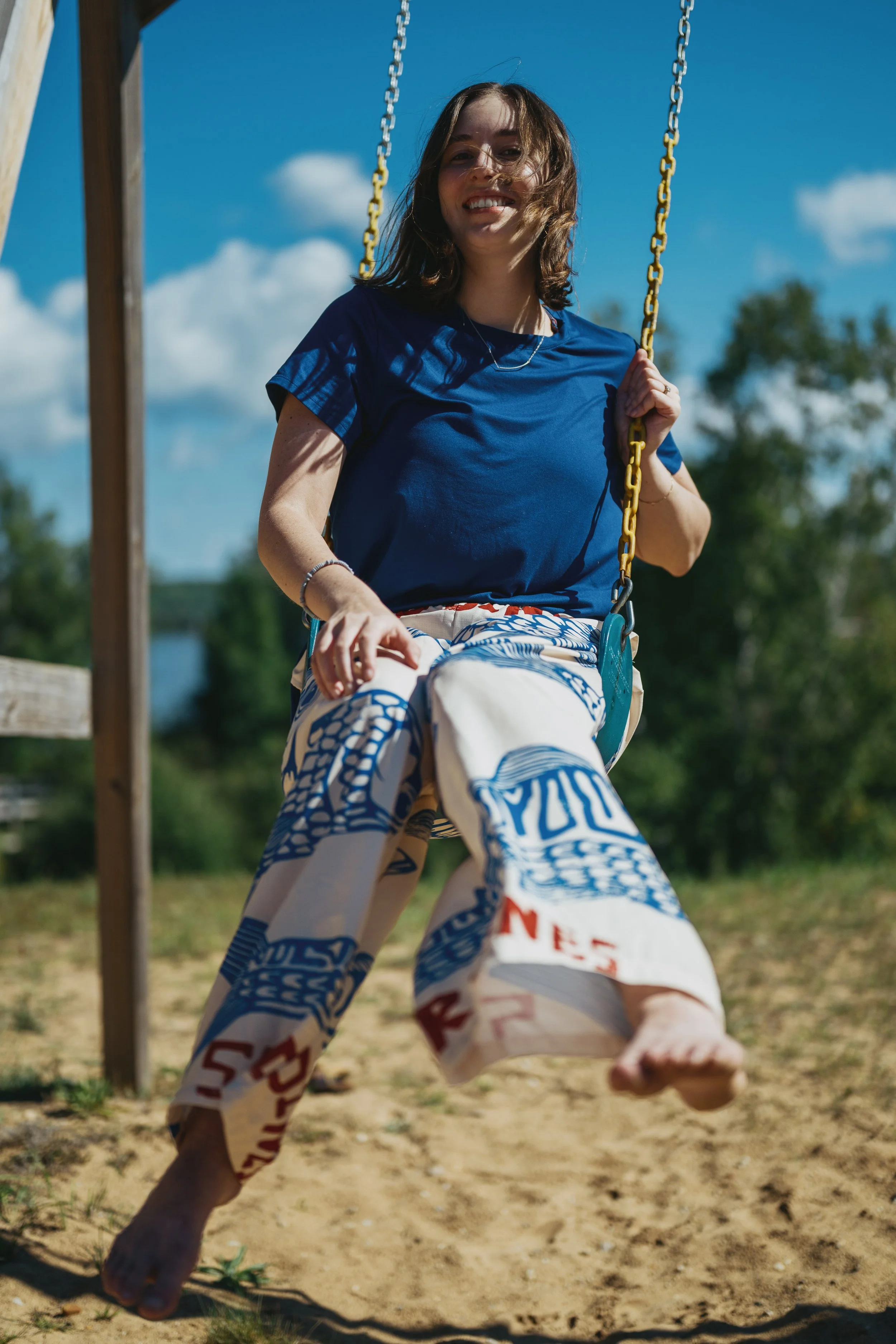
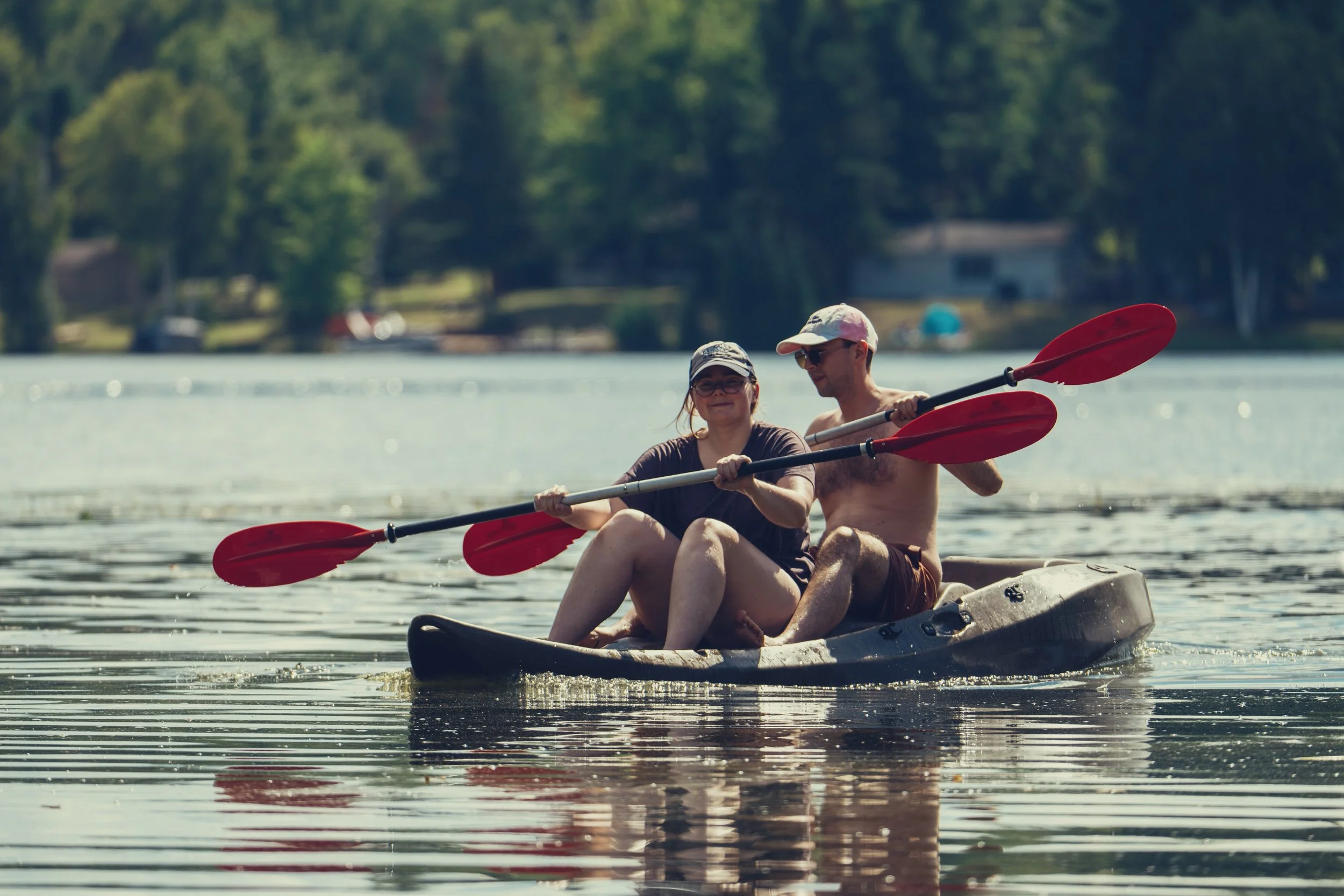
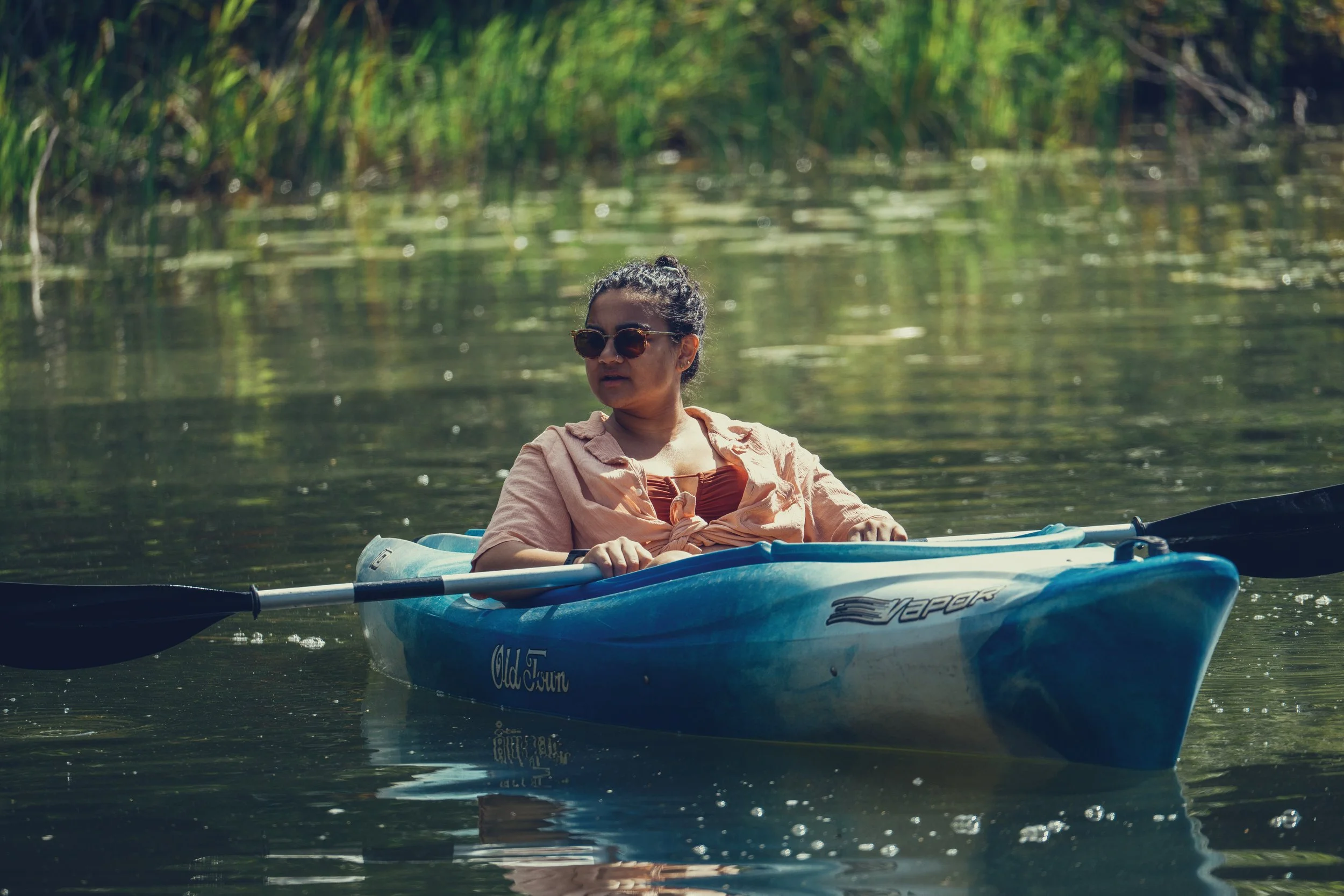
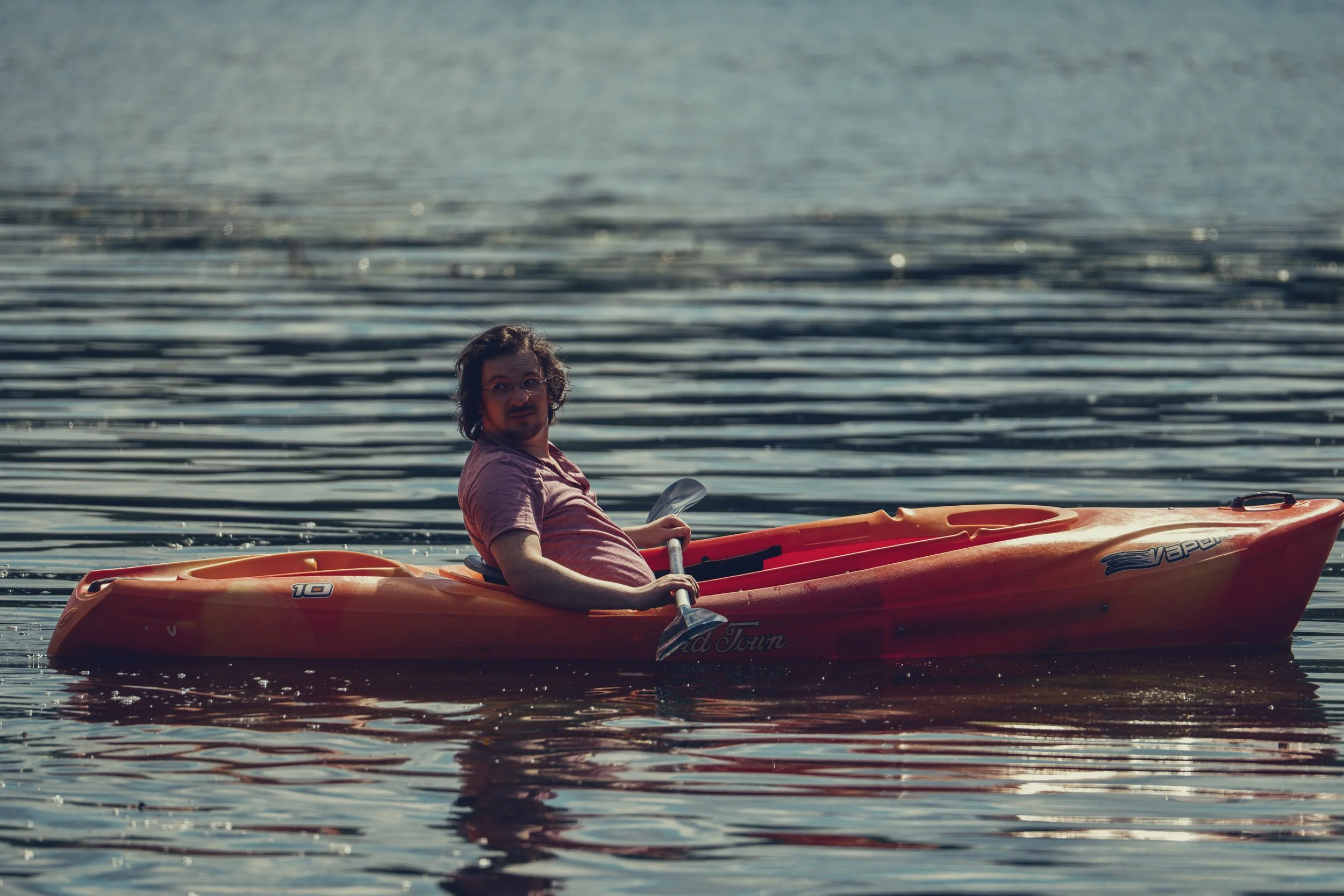
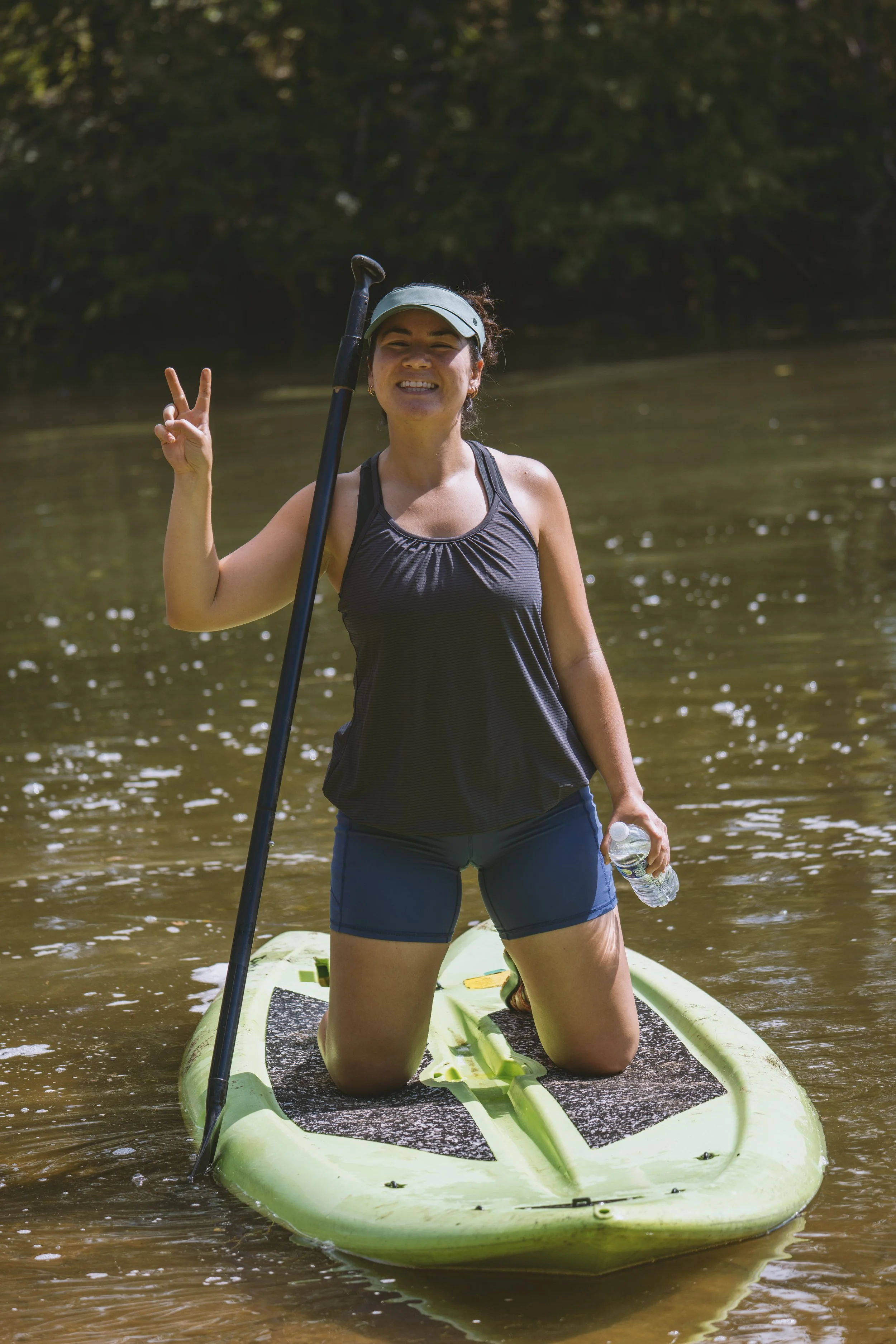
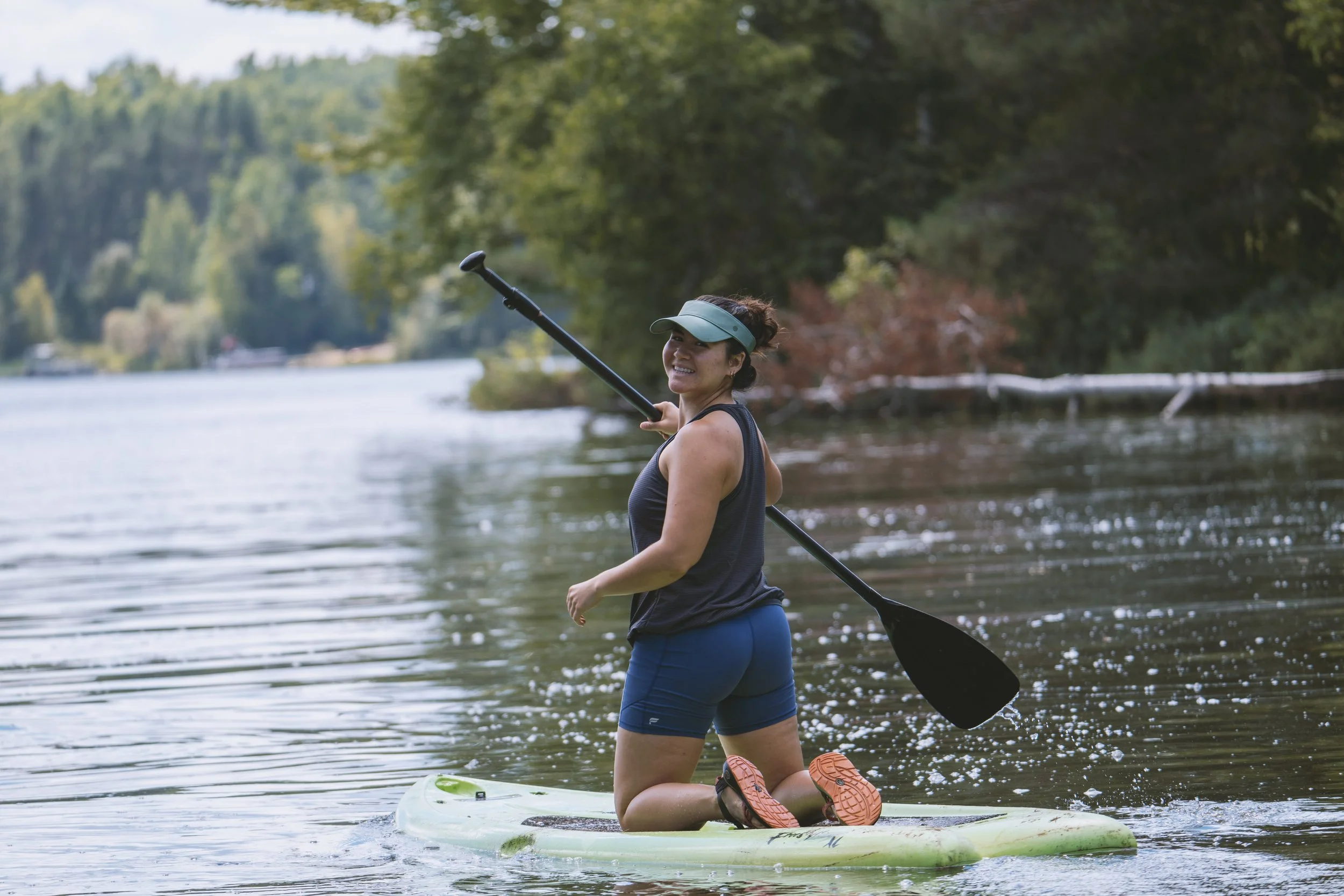
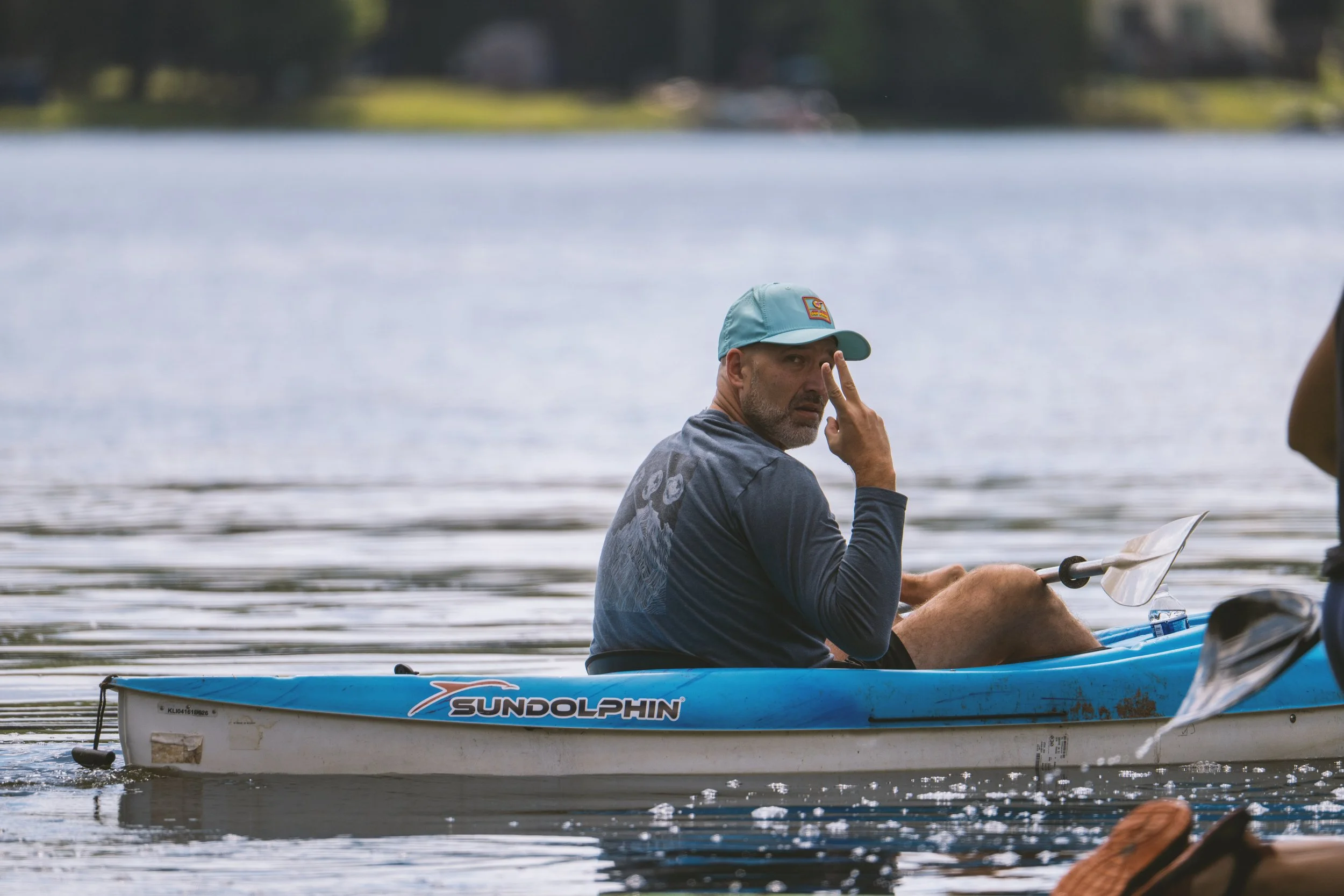
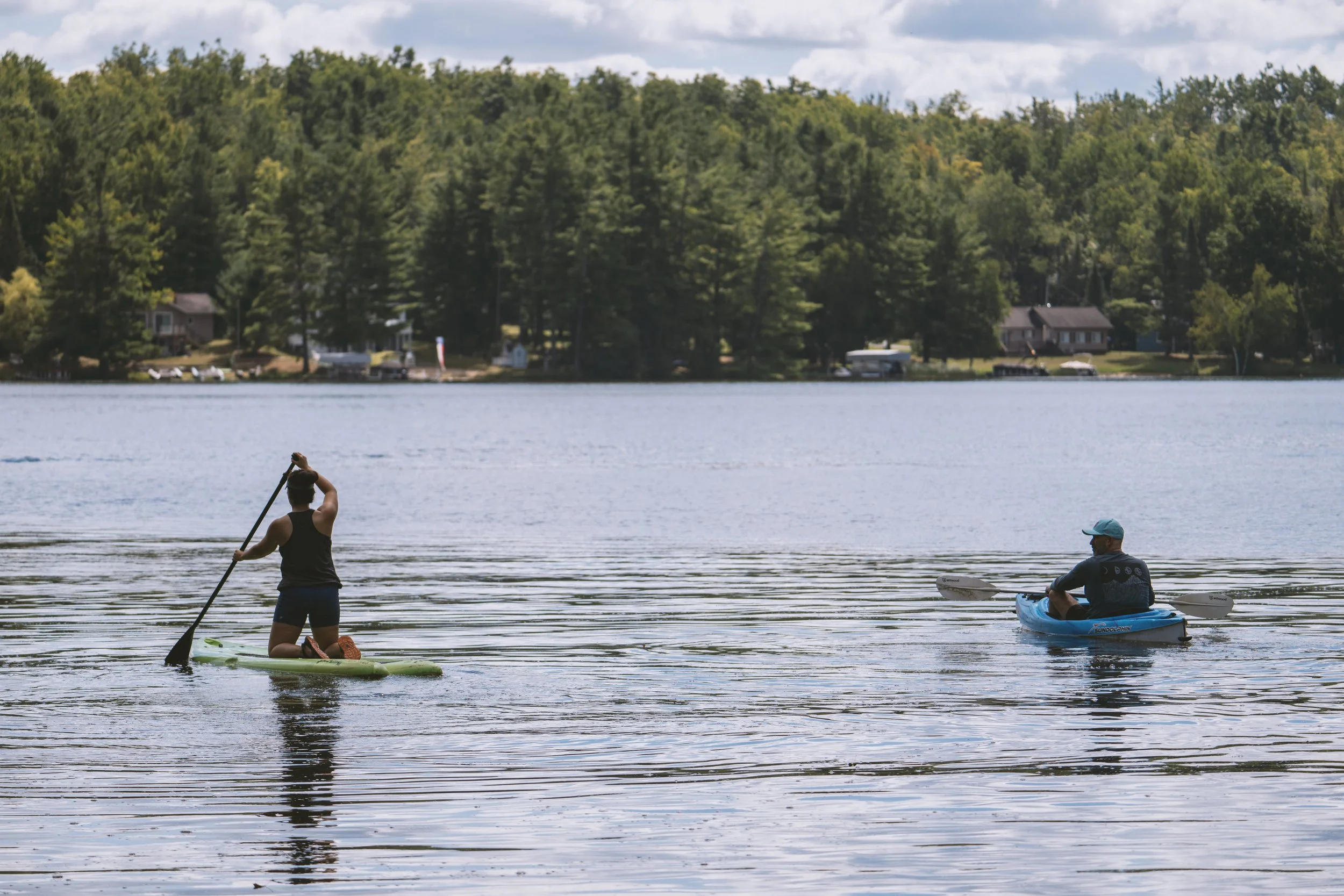
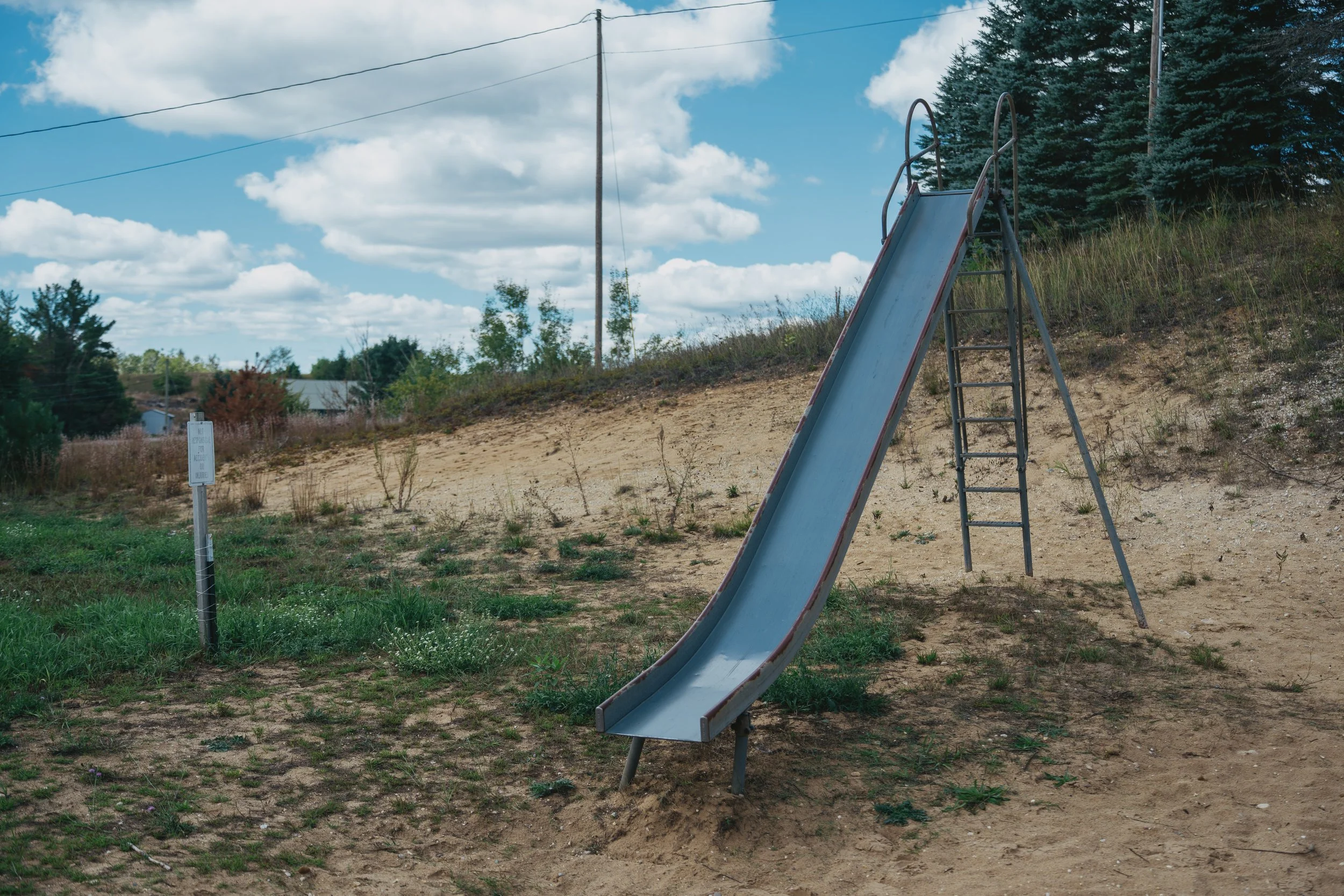
What it had in mind was the lake. People paddled out in kayaks and on a paddleboard, and the water was calm enough that from the deck you could watch your friends get smaller and smaller and then, eventually, bigger again. Down near the water there was a swing set and a tall metal slide planted in the sand, and next to them a sign that read NOT RESPONSIBLE FOR ACCIDENTS OR INJURIES. I chose to read that as a philosophical statement rather than a legal one.
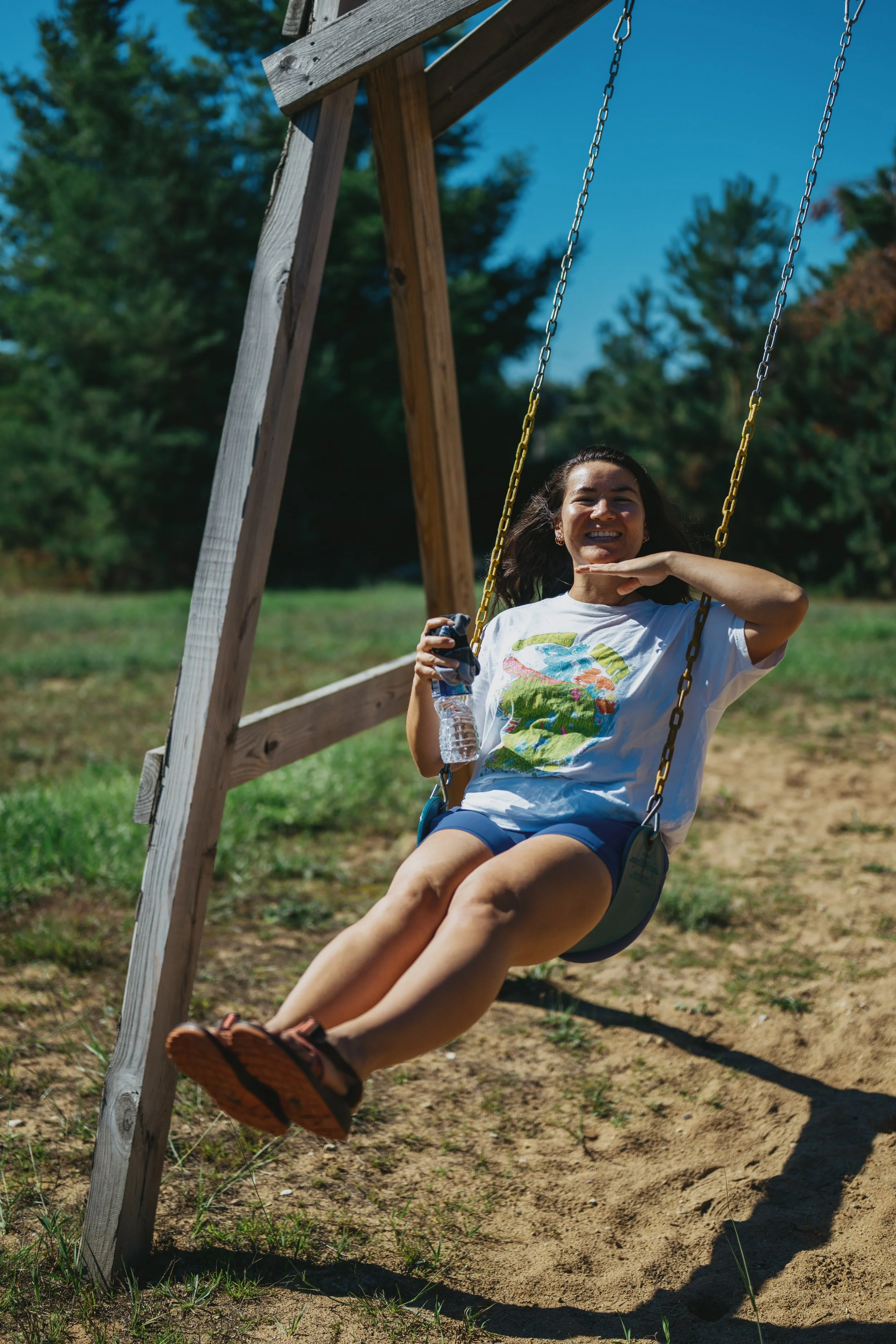
Here is something I believe to be true: there is no adult on Earth who can sit down on a swing and not become, for a moment, about nine years old. I watched it happen to every one of us. Grown people with jobs and car payments and opinions about the proper way to load a dishwasher kicked their feet at the sky and laughed like they'd gotten away with something.
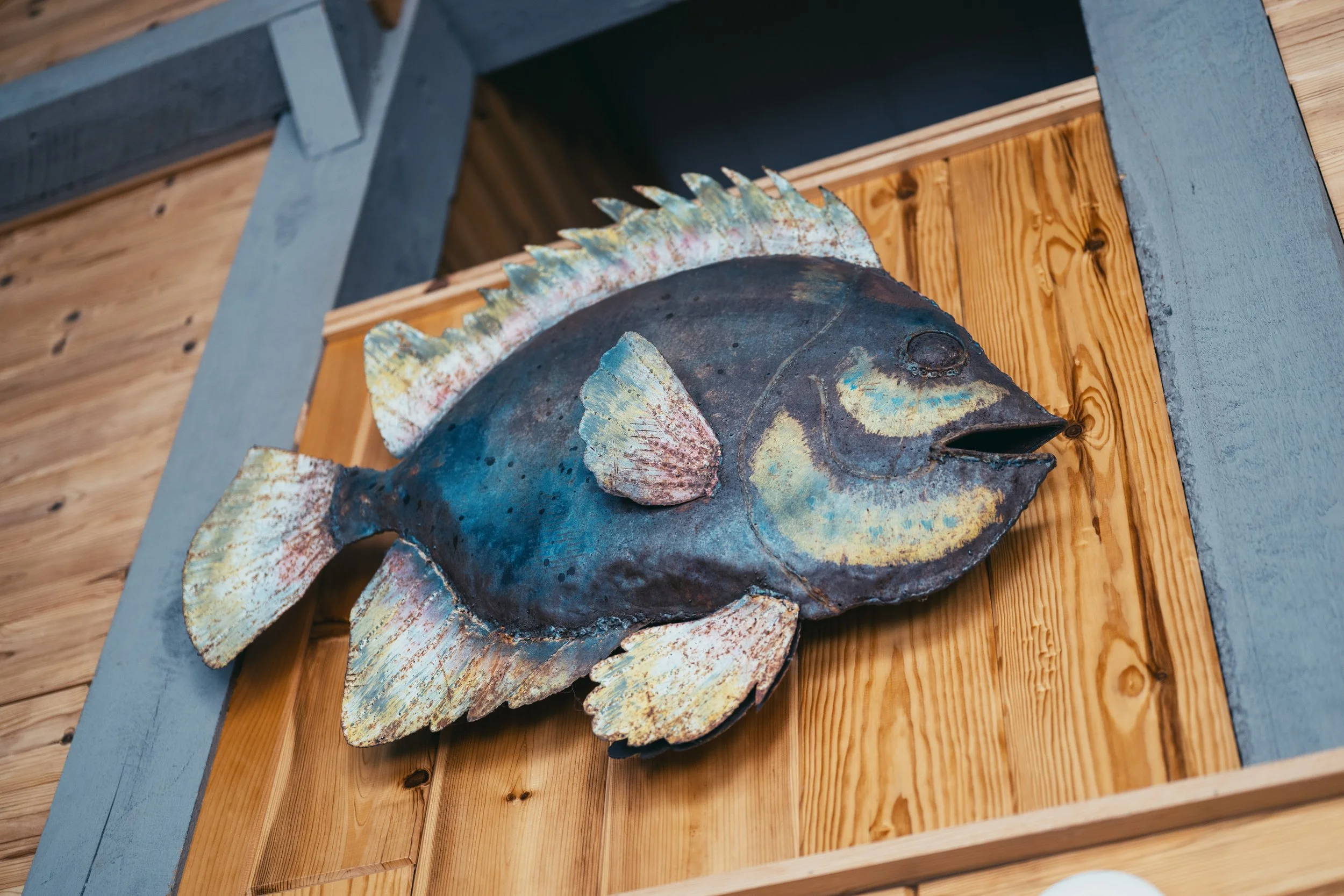
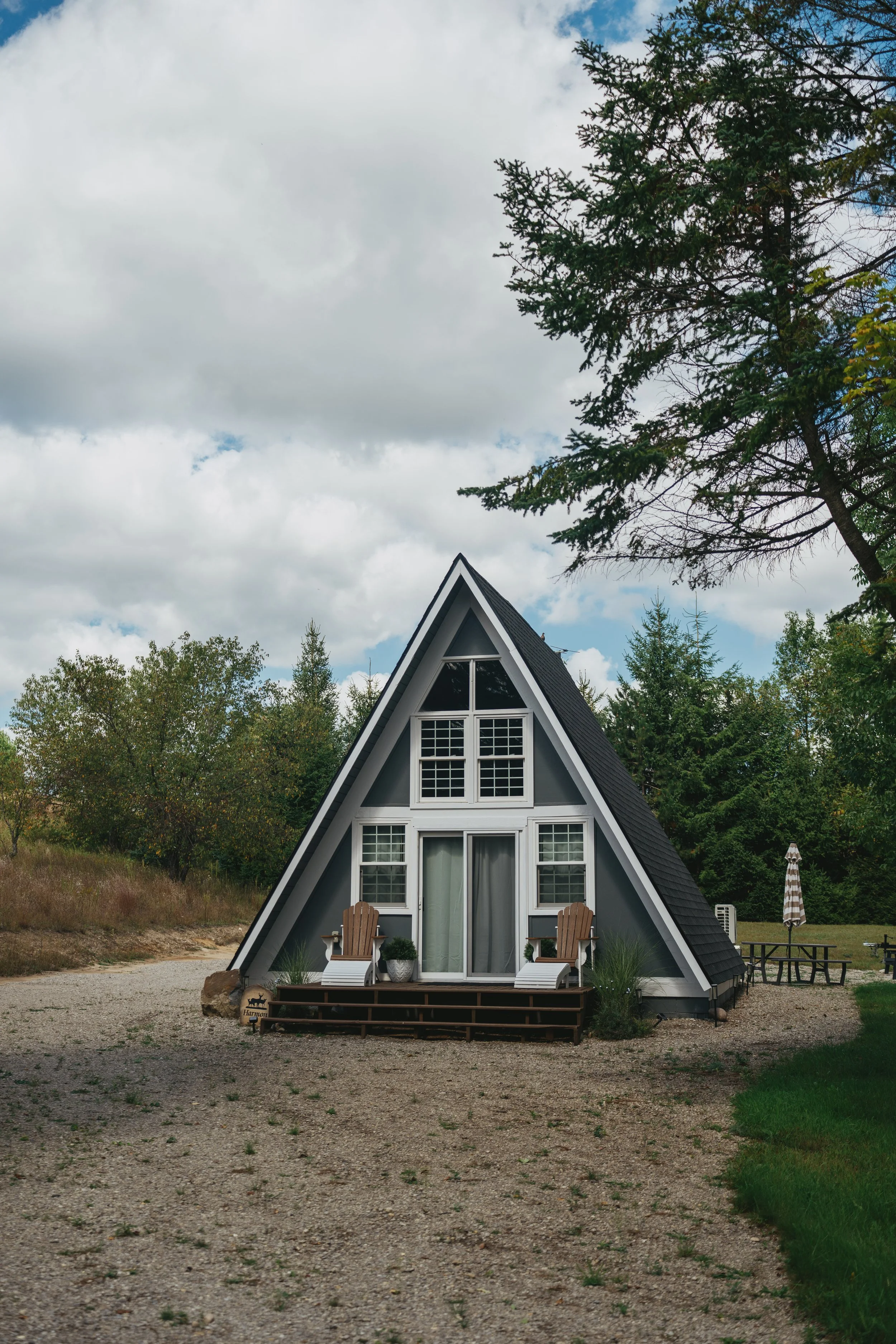
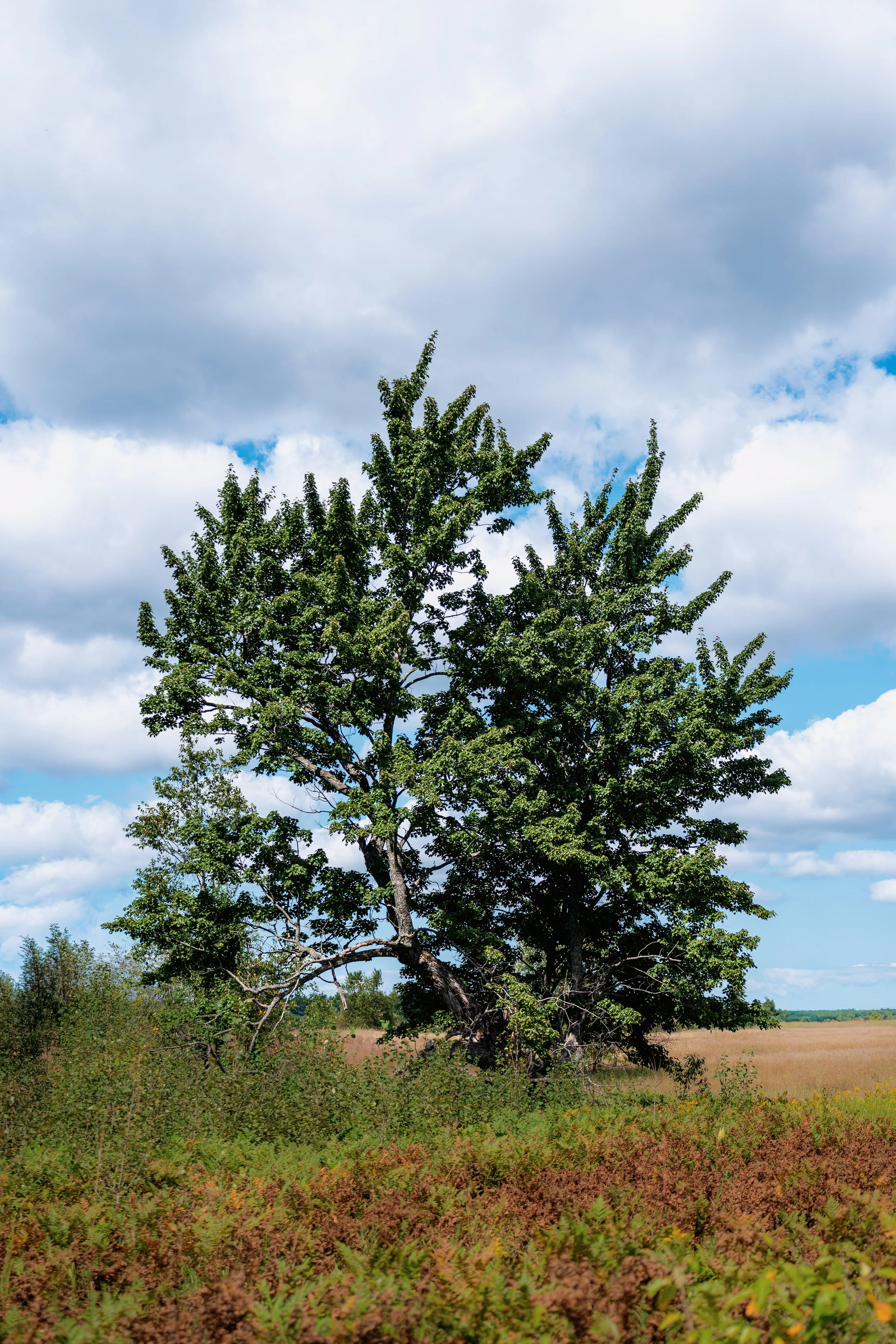
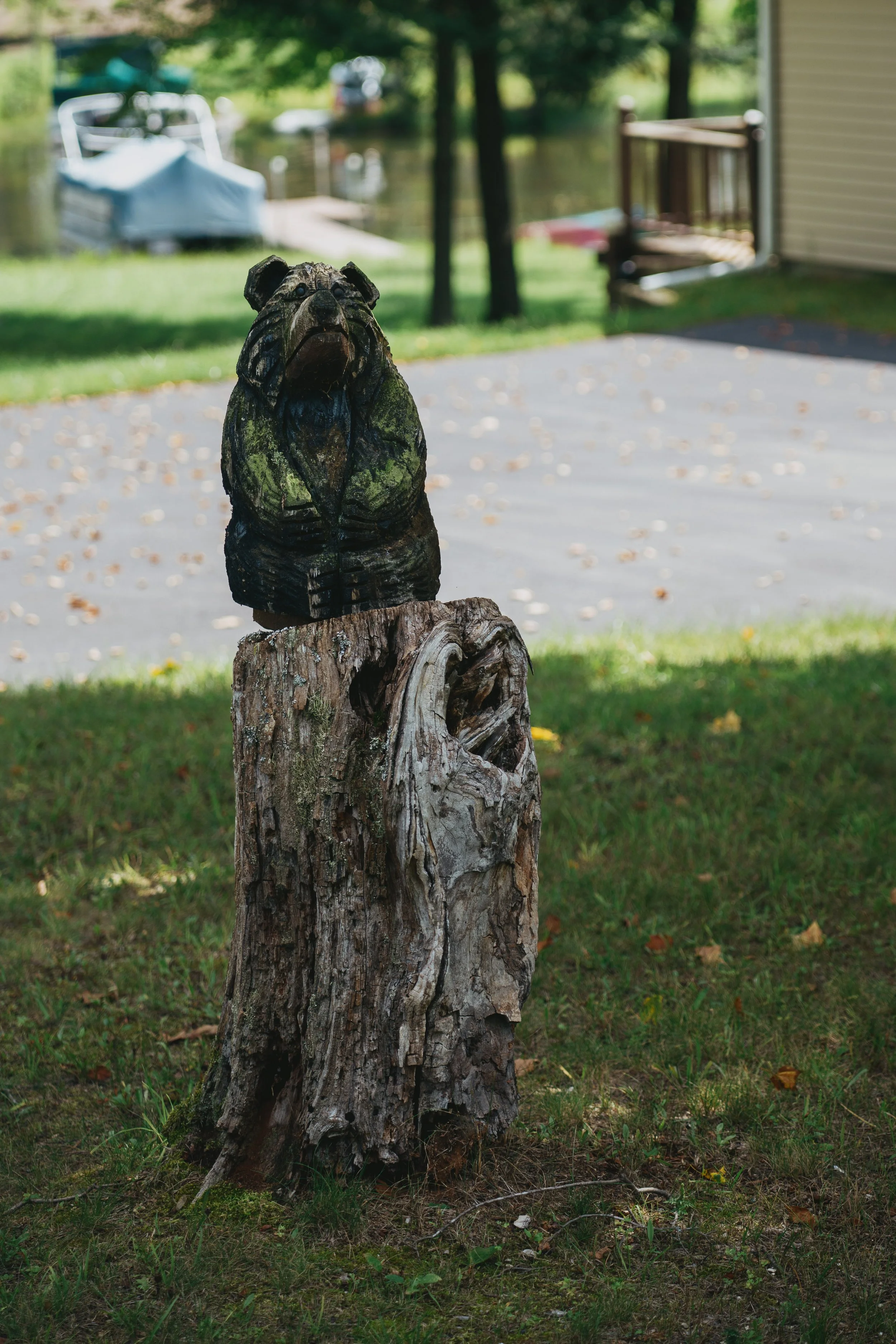
In the afternoon, Elizabeth and I took a walk. We went past a carved wooden bear standing guard on a stump, past a little A-frame house, past a field with a single tree in the middle of it that looked like it had been put there by a painter. We didn't talk about anything especially important, and I've come to think that's one of the most important things you can do with a person. You can't live your whole life in the big conversations. Most of love happens in the small ones.
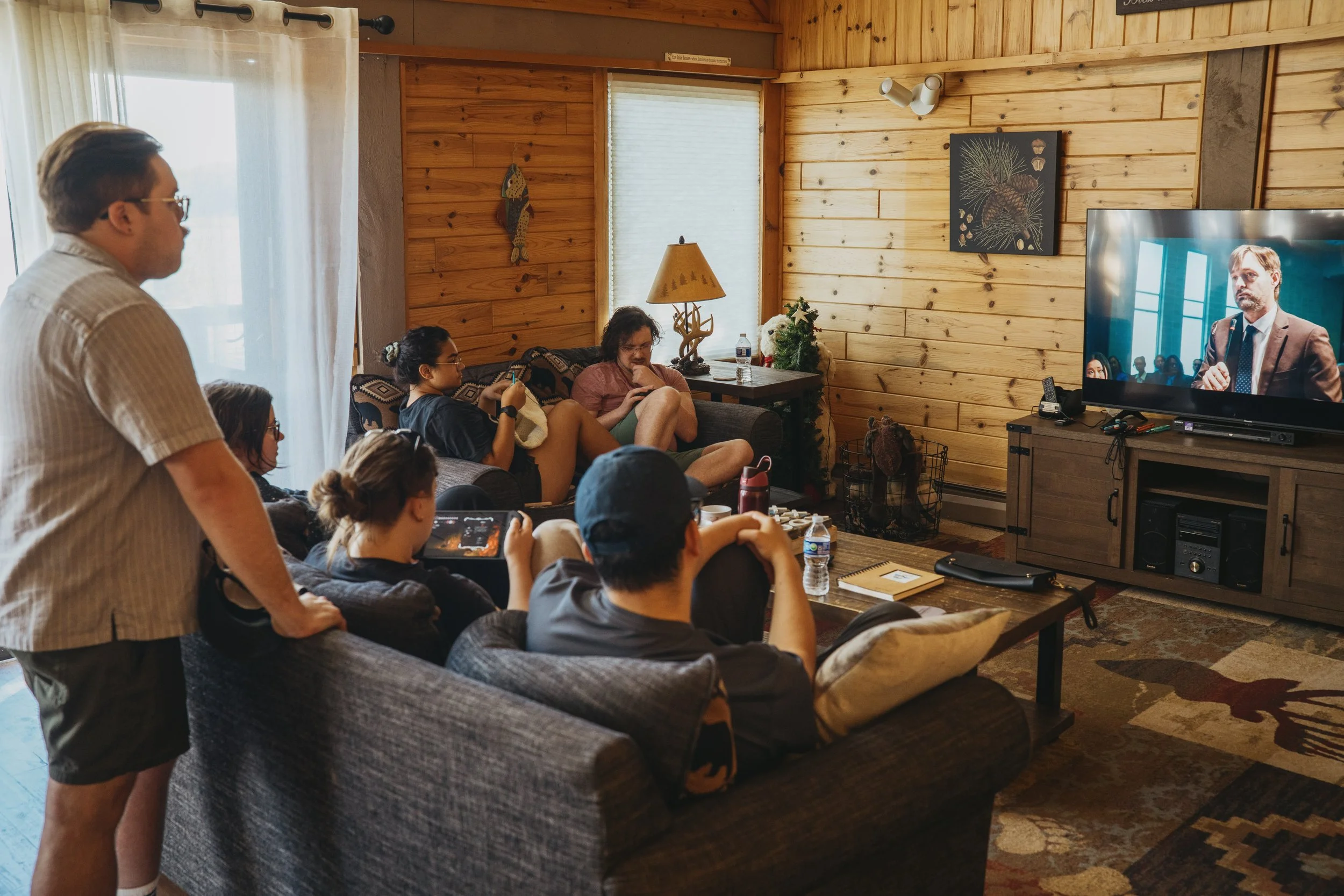
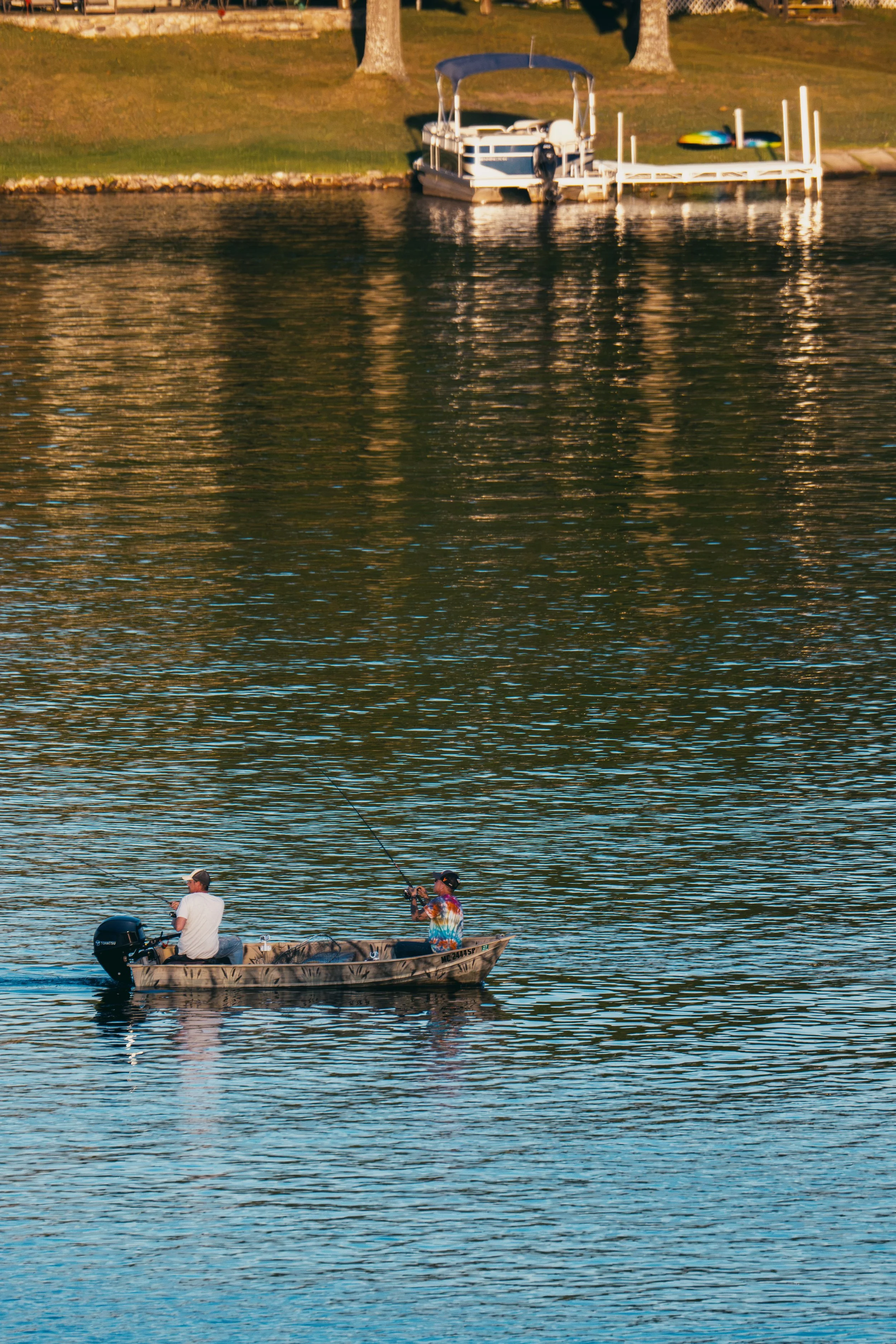
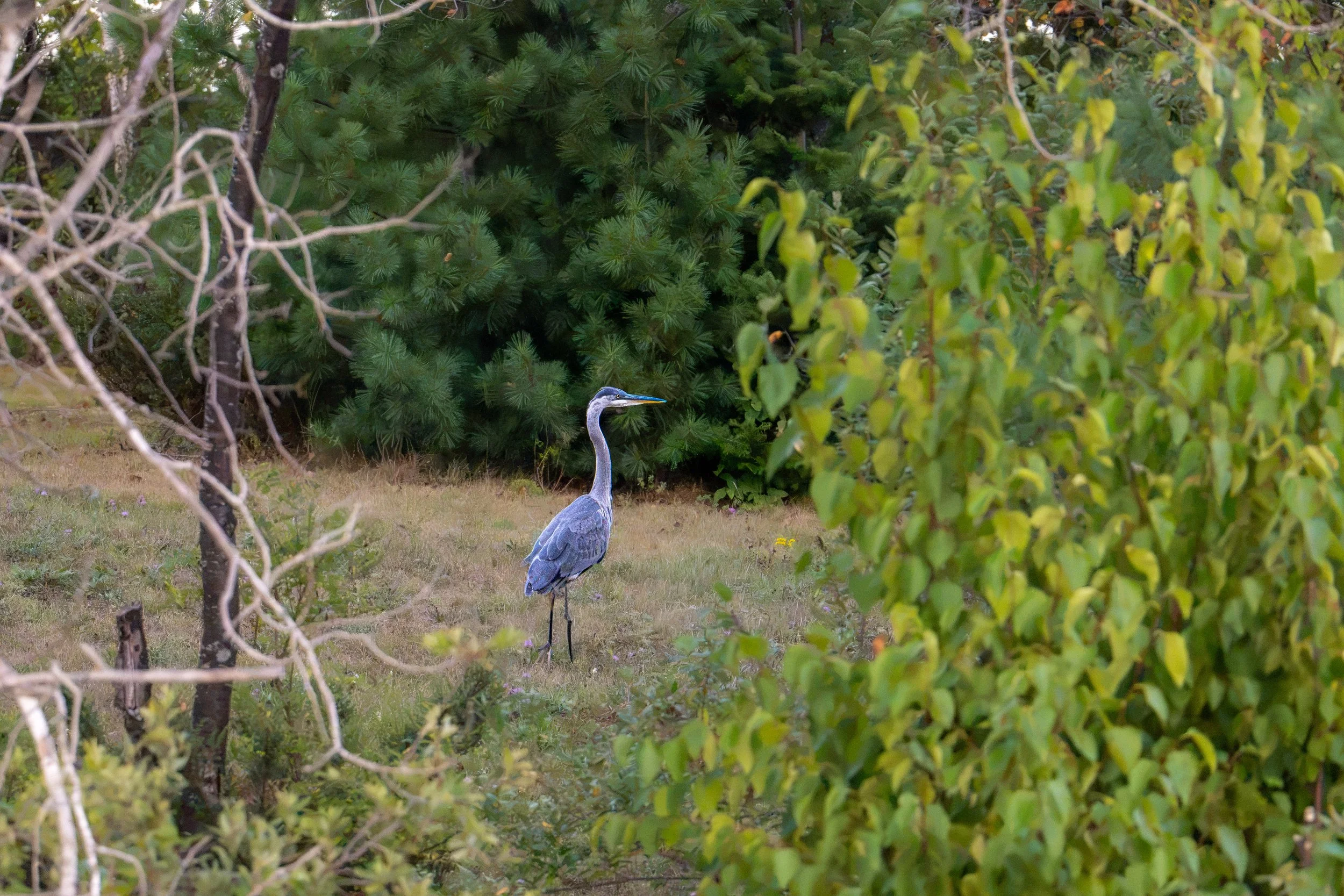
That evening a great blue heron stood at the edge of the yard with the patience of something that has never once checked its phone. A fishing boat drifted across the lake. The cabin filled back up with talk and takeout and the laughter of people who are no longer tired.
It was a day with no plans and nothing major, and we could not have made a better plan. After all that driving, we needed the rest. But I think we also needed the reminder that rest isn't the thing you earn after the good part. Sometimes it is the good part.
Mackinac
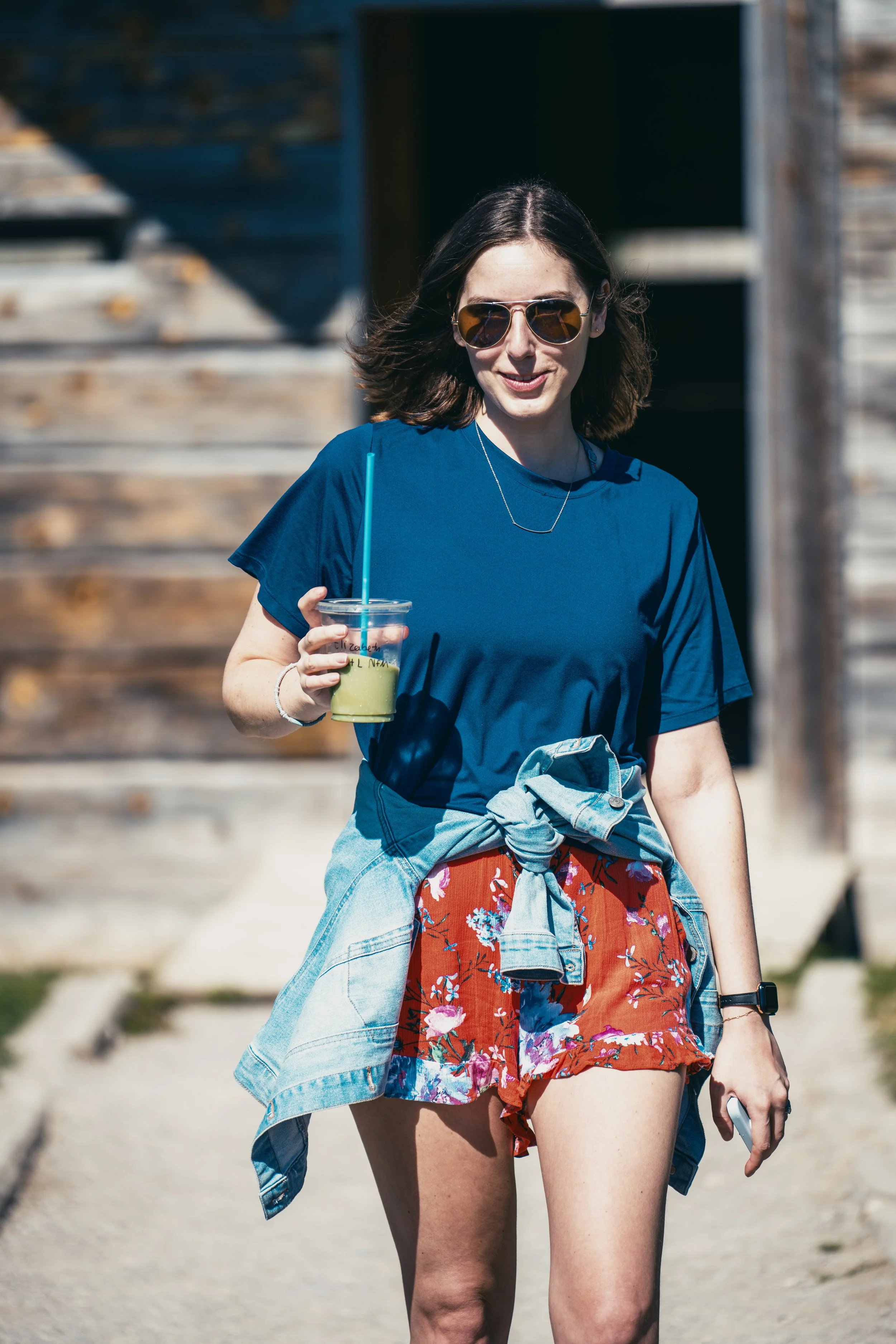
The next morning we got up early, because we were going to Mackinac Island, which is pronounced "Mackinaw," as any Michigander (and Elizabeth) will tell you with the weary patience of a people who have been correcting tourists for a very long time.
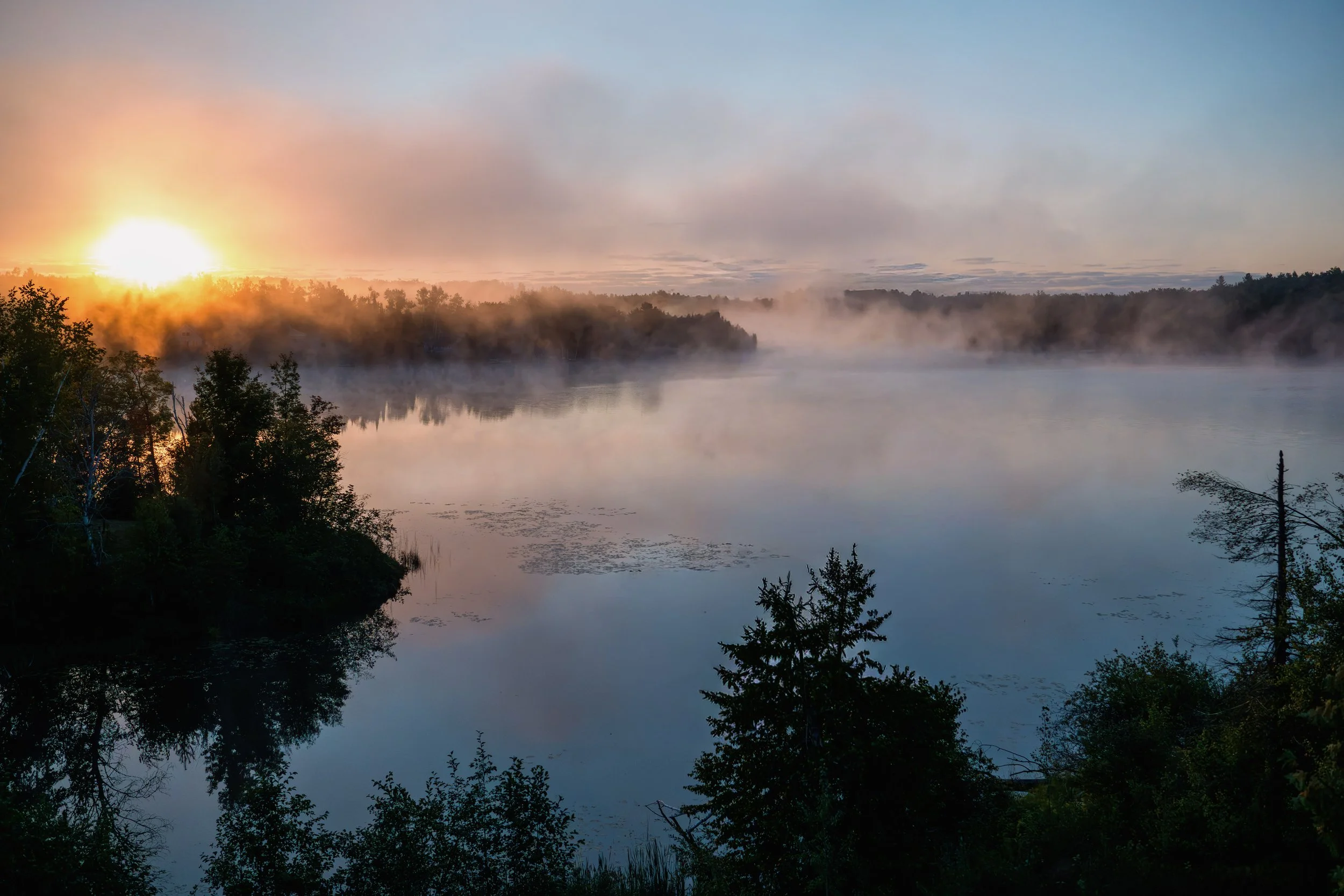
When I stepped outside, the sun was just coming up over the trees, and steam was rising off the lake. This happens when the water is warmer than the air above it. Overnight the air had cooled, but the lake was still holding on to the summer, and it was letting that warmth go slowly, in long white ribbons that reached up into the sky like they were trying to get somewhere. I stood there with my camera and thought, not for the first time on this trip, about how lucky I was to be right here, in this place, with these friends stirring in the cabin behind me and Elizabeth, the love of my life, among them.
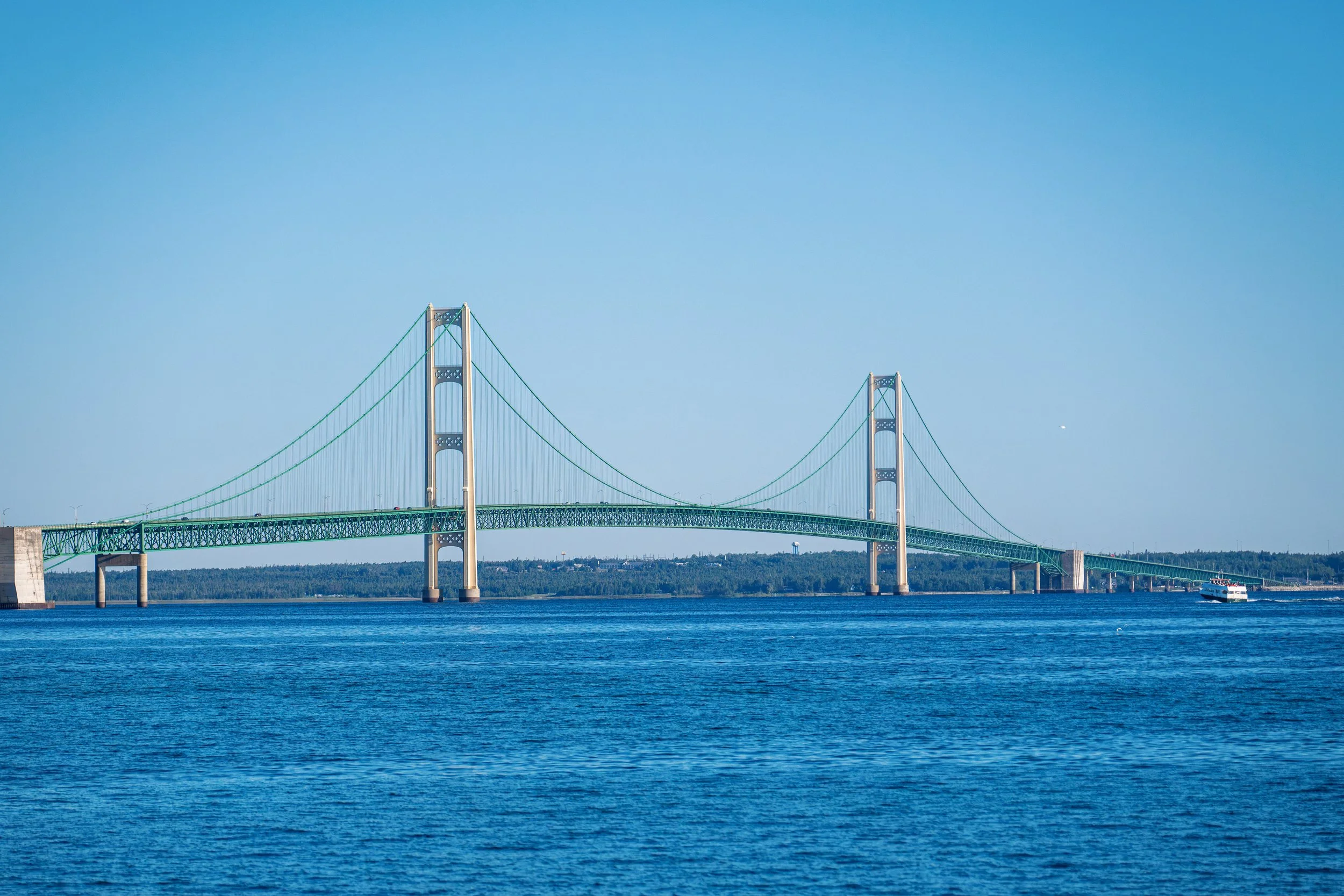
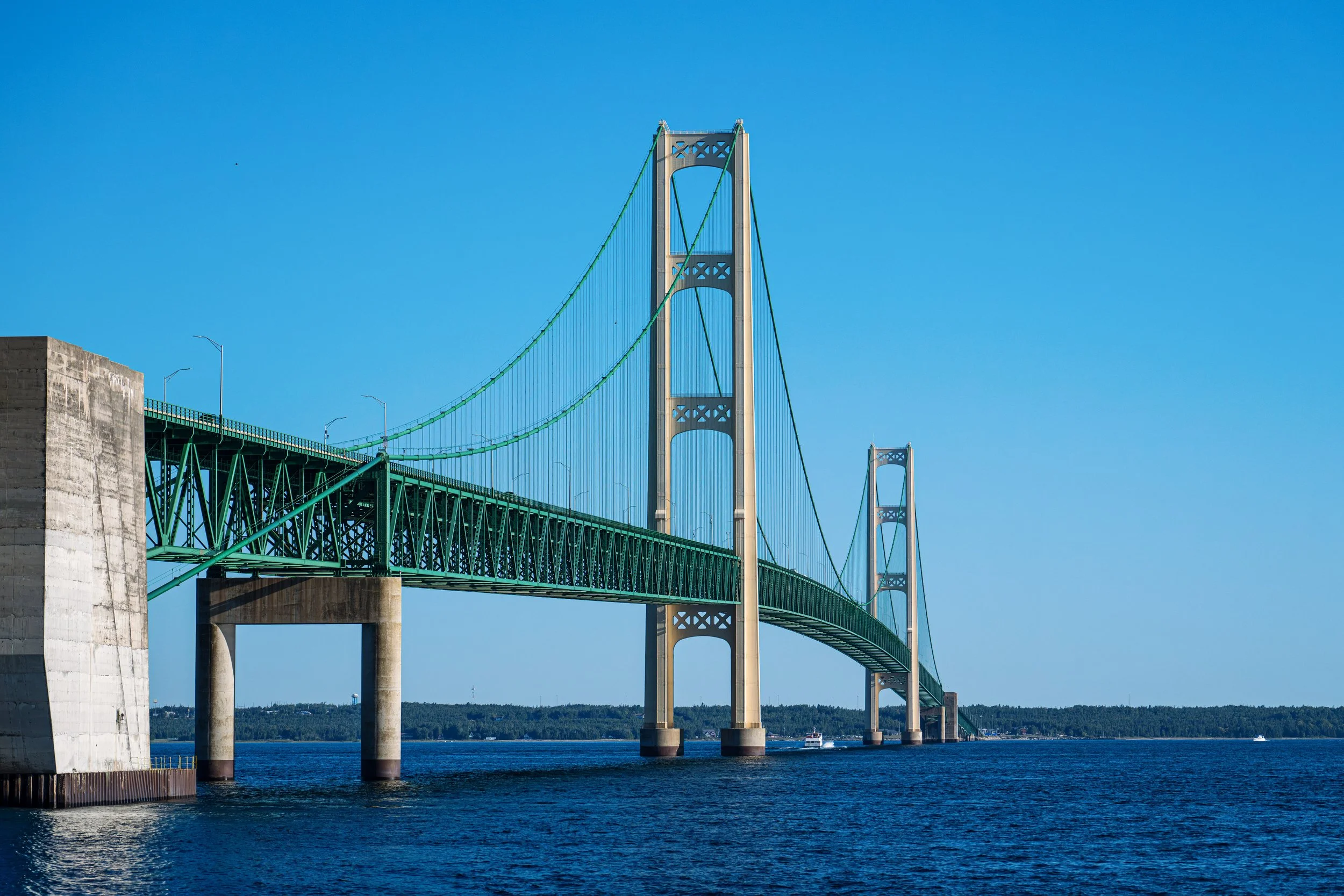
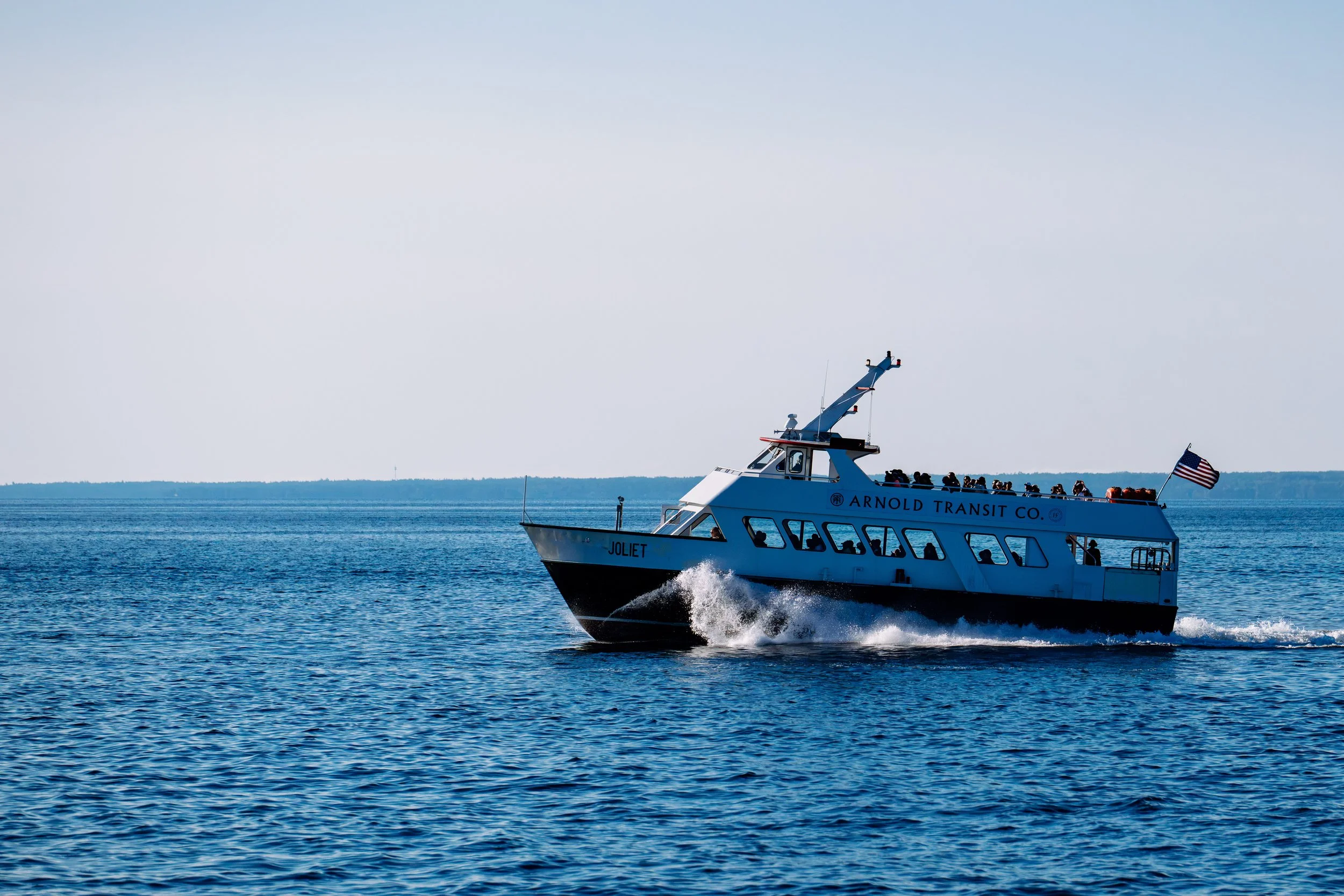
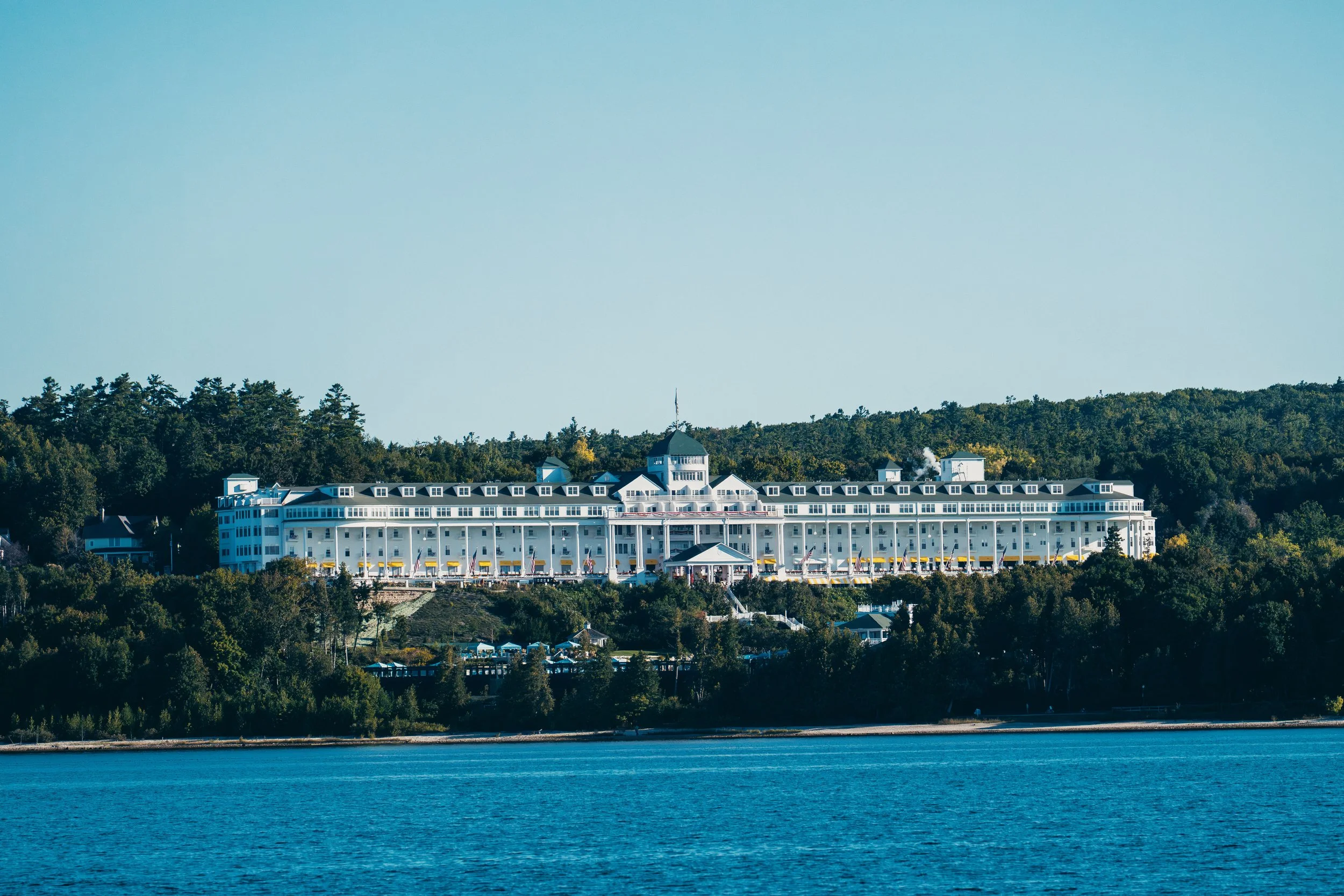
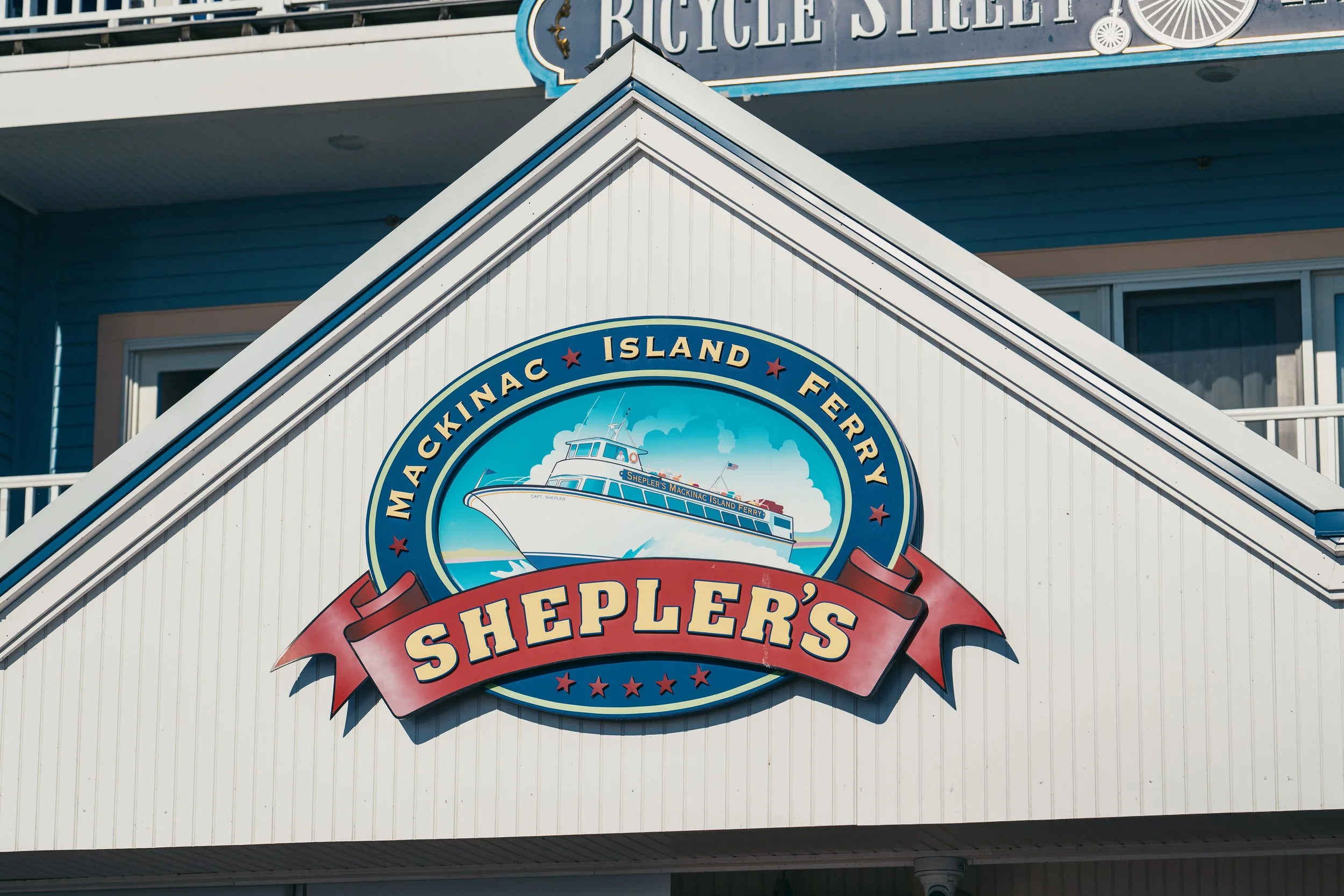
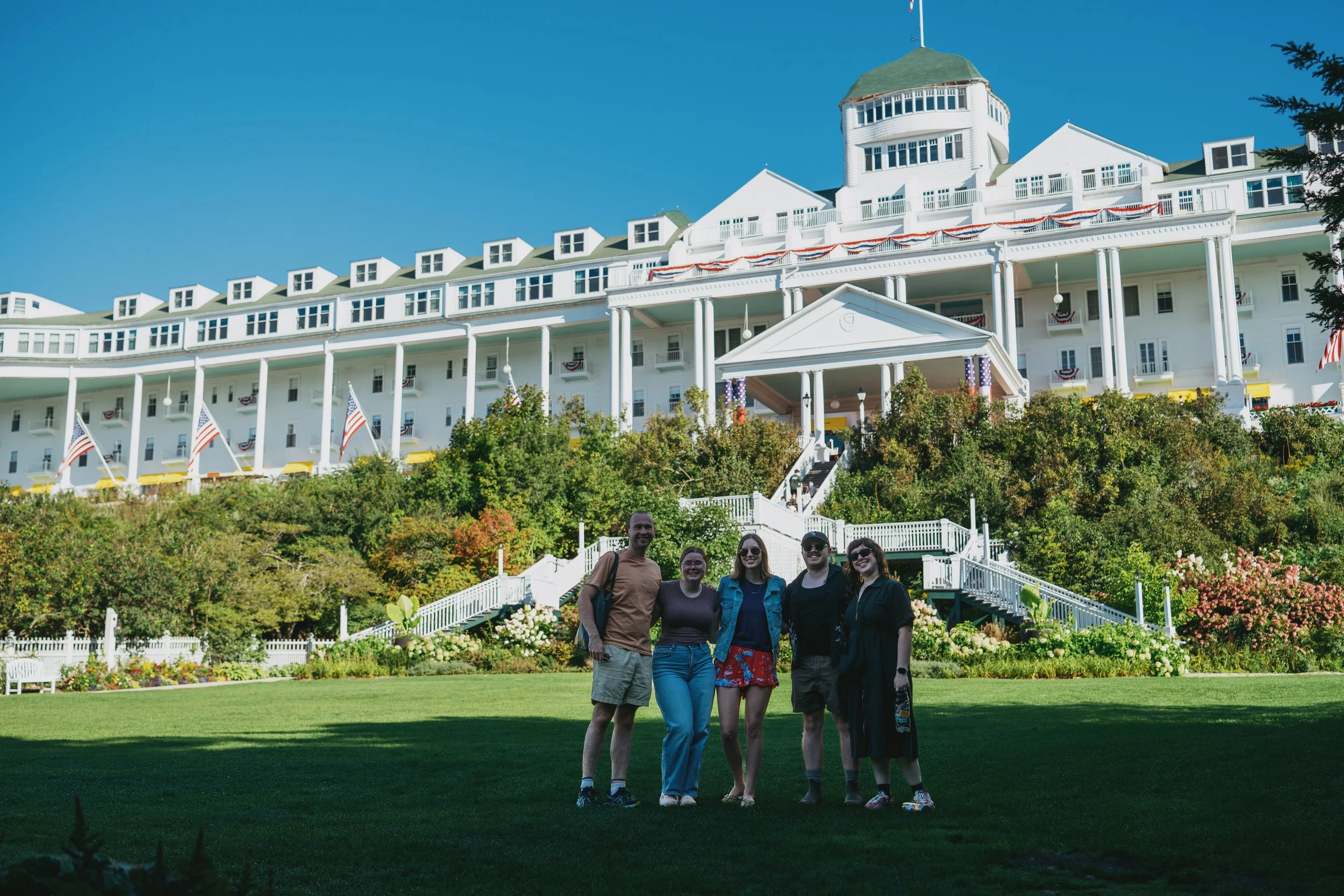
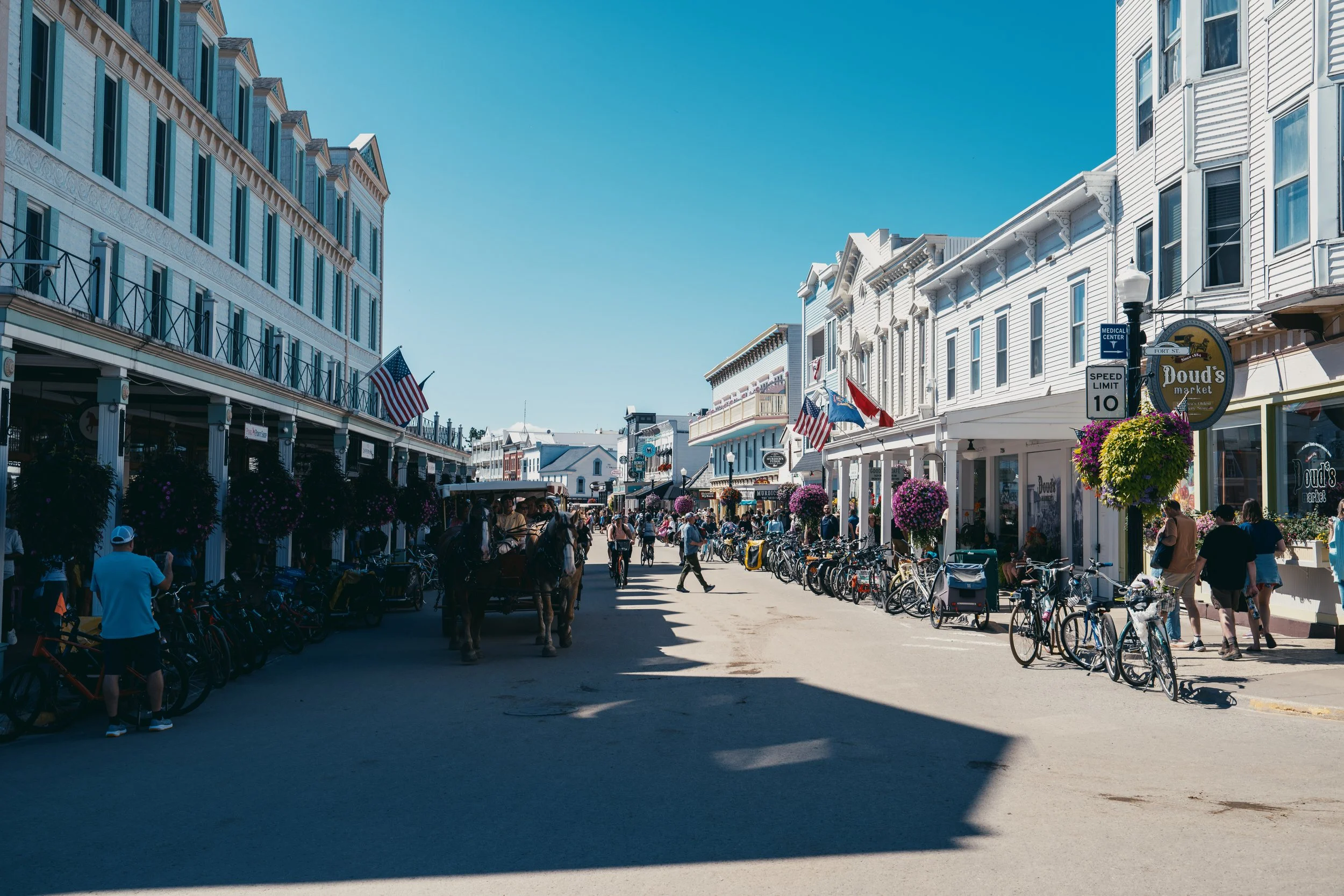
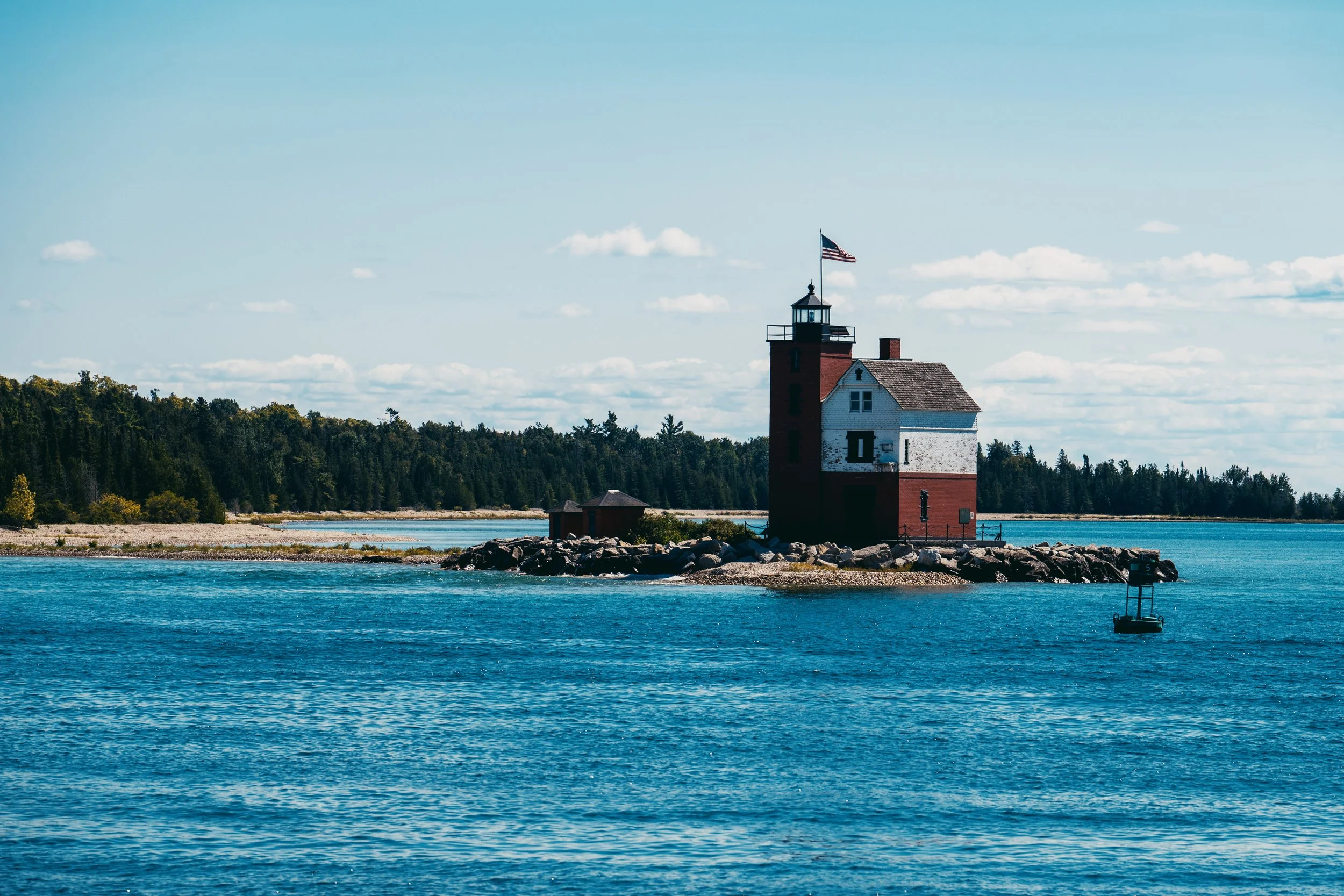
The ferry ride out was its own small adventure. We cruised past the Mackinac Bridge, five miles of steel strung between two peninsulas, and then the island rose up out of the water: white houses, green bluffs, the Grand Hotel with its 660-foot front porch, all of it looking like a postcard that had decided to become real.
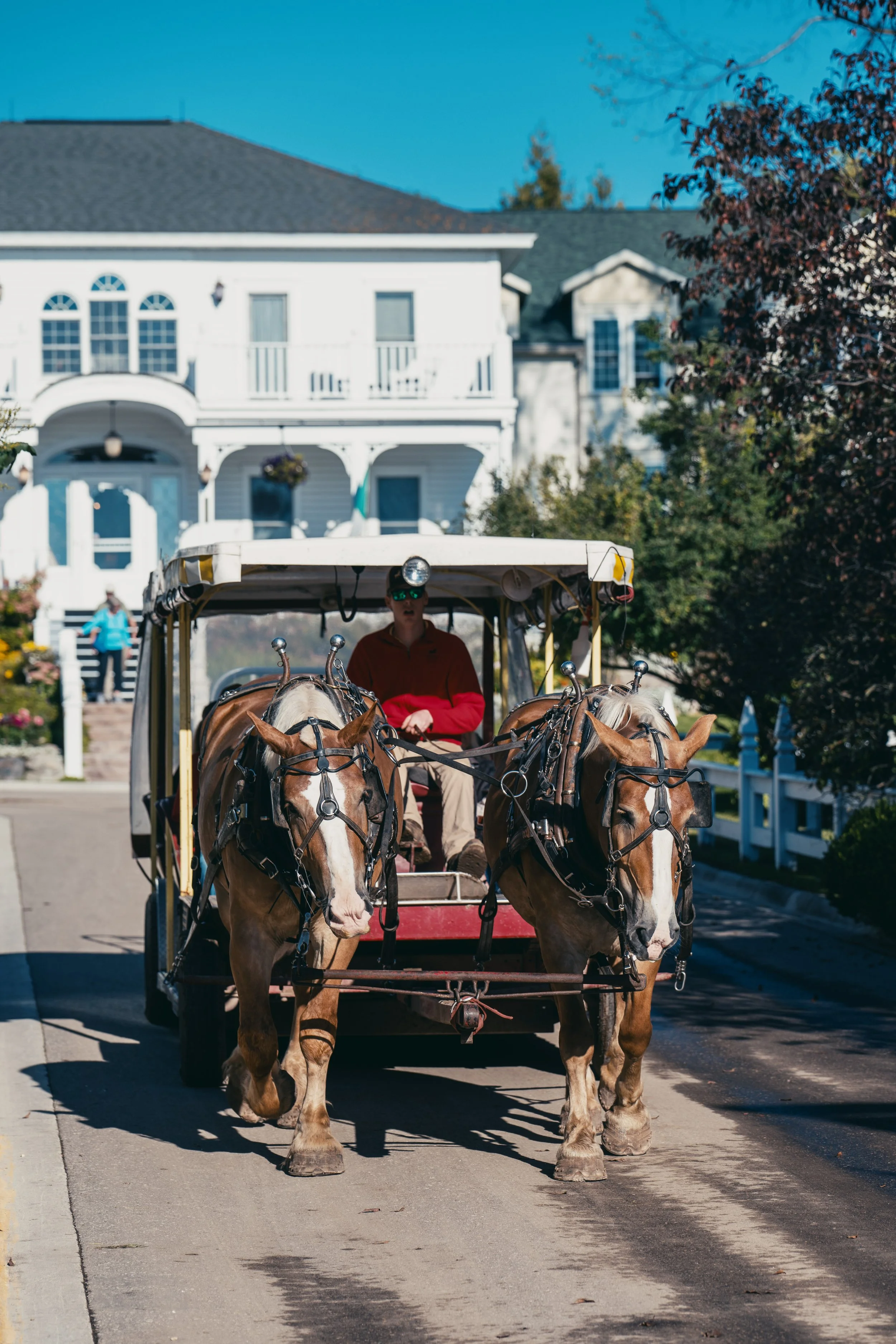
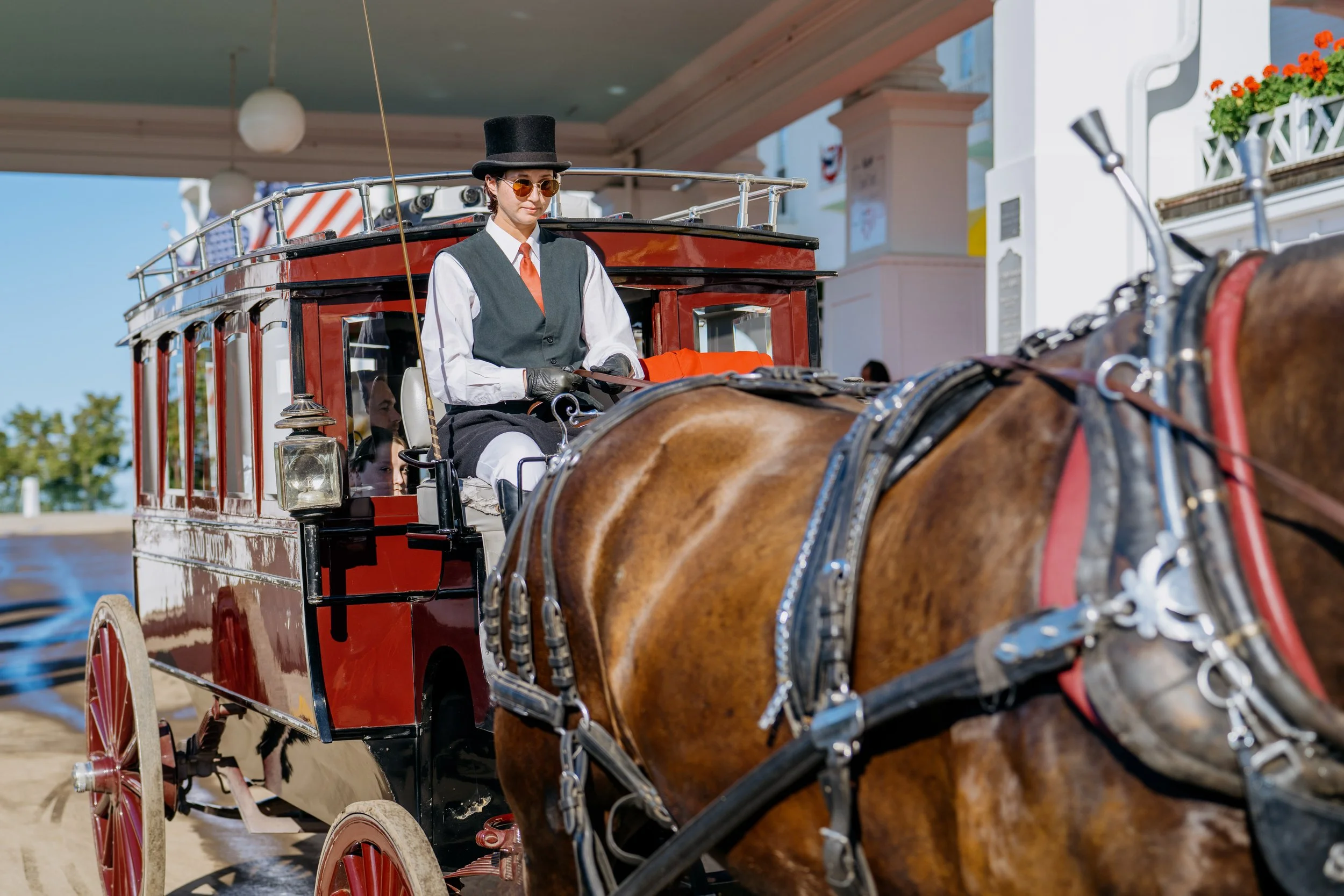
There are no cars on Mackinac Island. There haven't been since July 6, 1898, when village leaders banned "horseless carriages" because carriage drivers complained they were scaring the horses. I love this. In 1898 the automobile was the future, and a small island in Lake Huron looked the future right in the eye and said: no, thank you, we have horses.
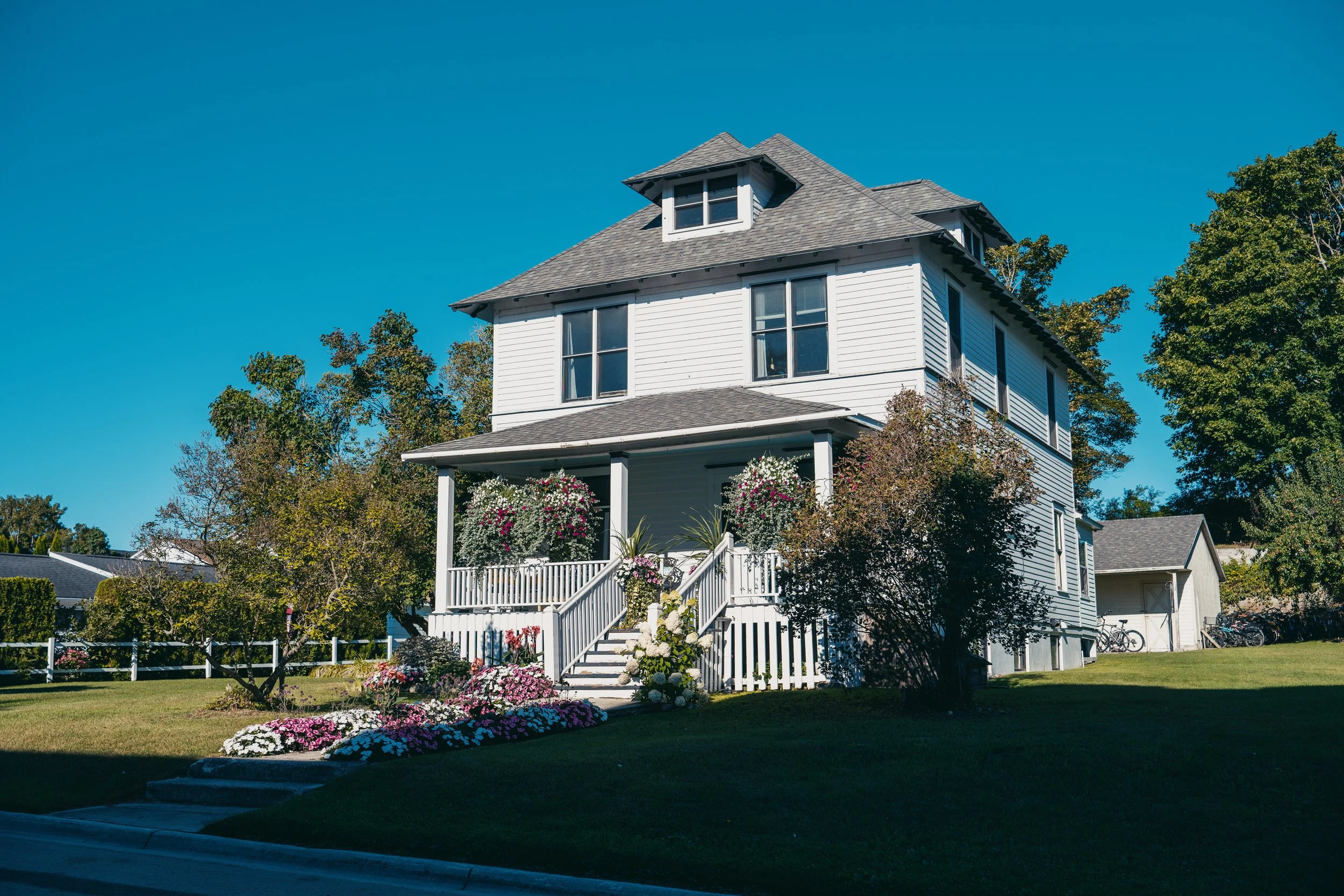
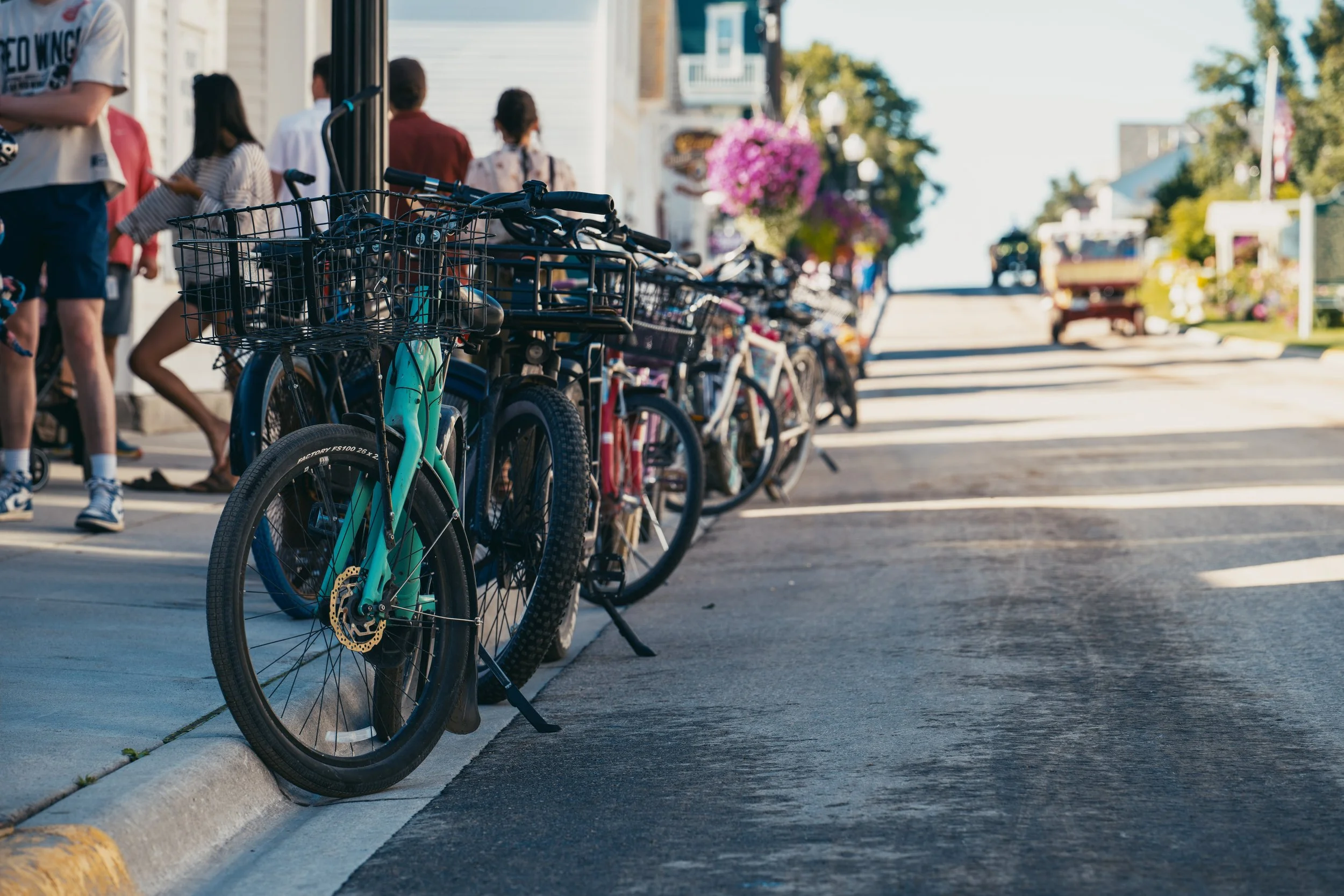
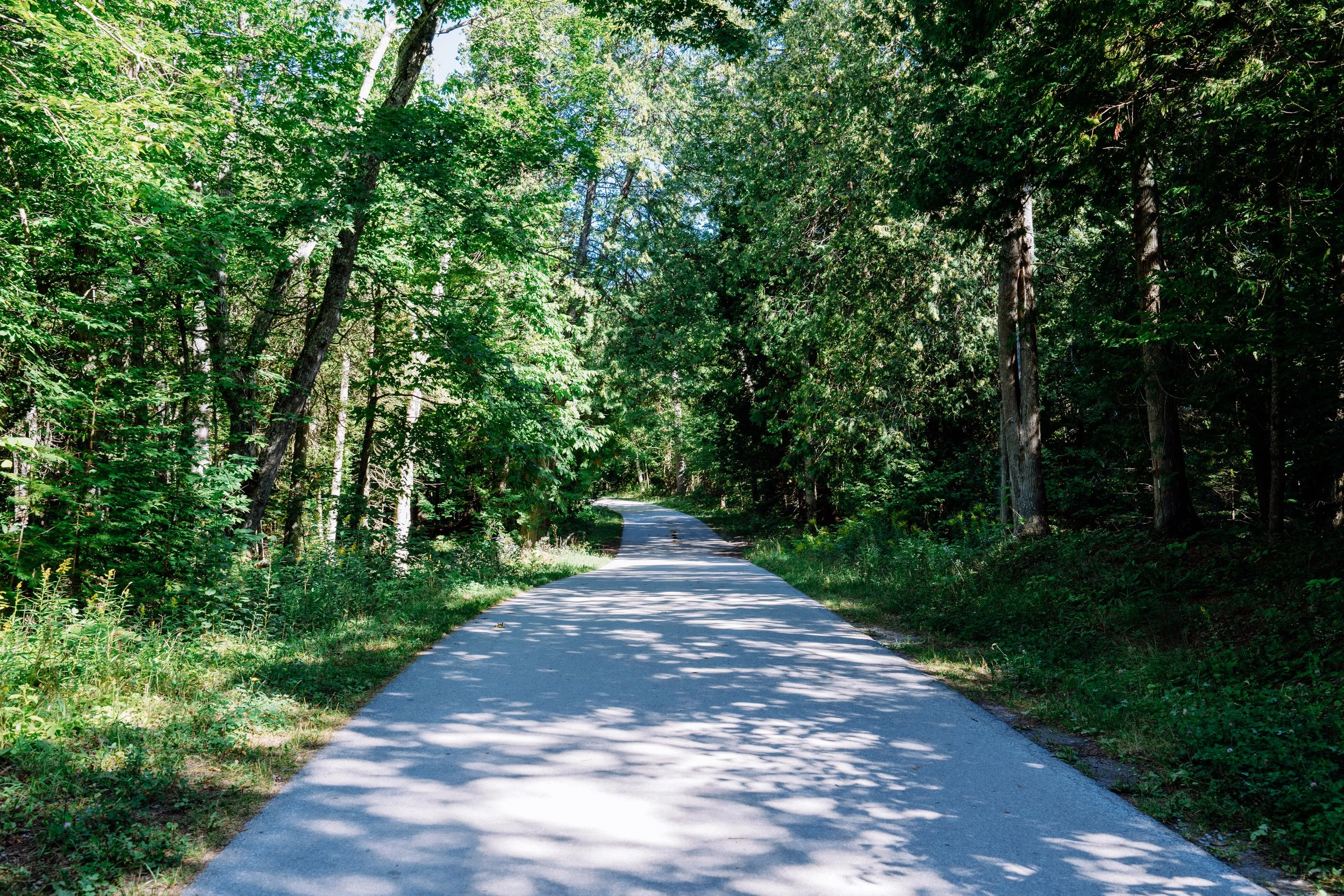
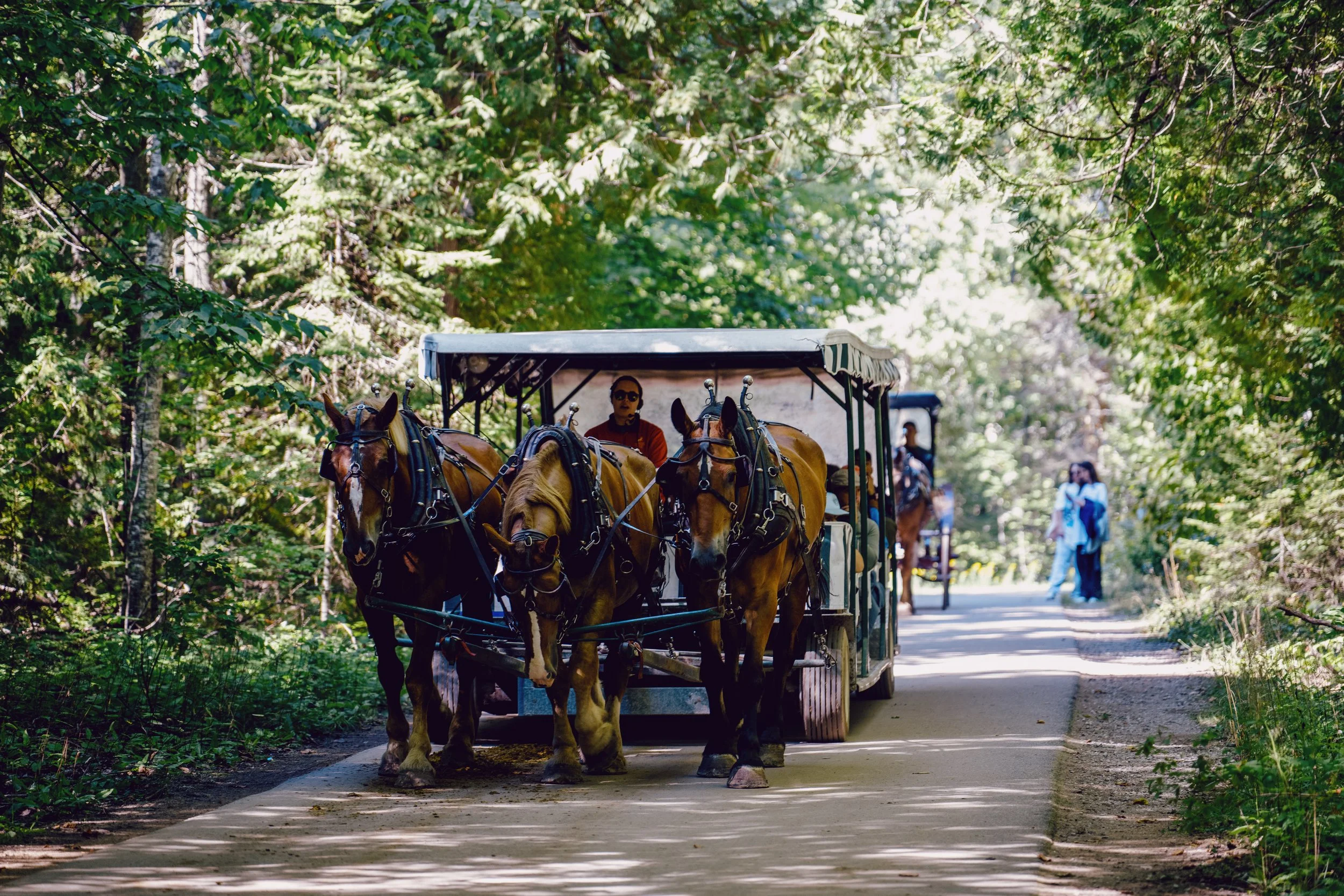
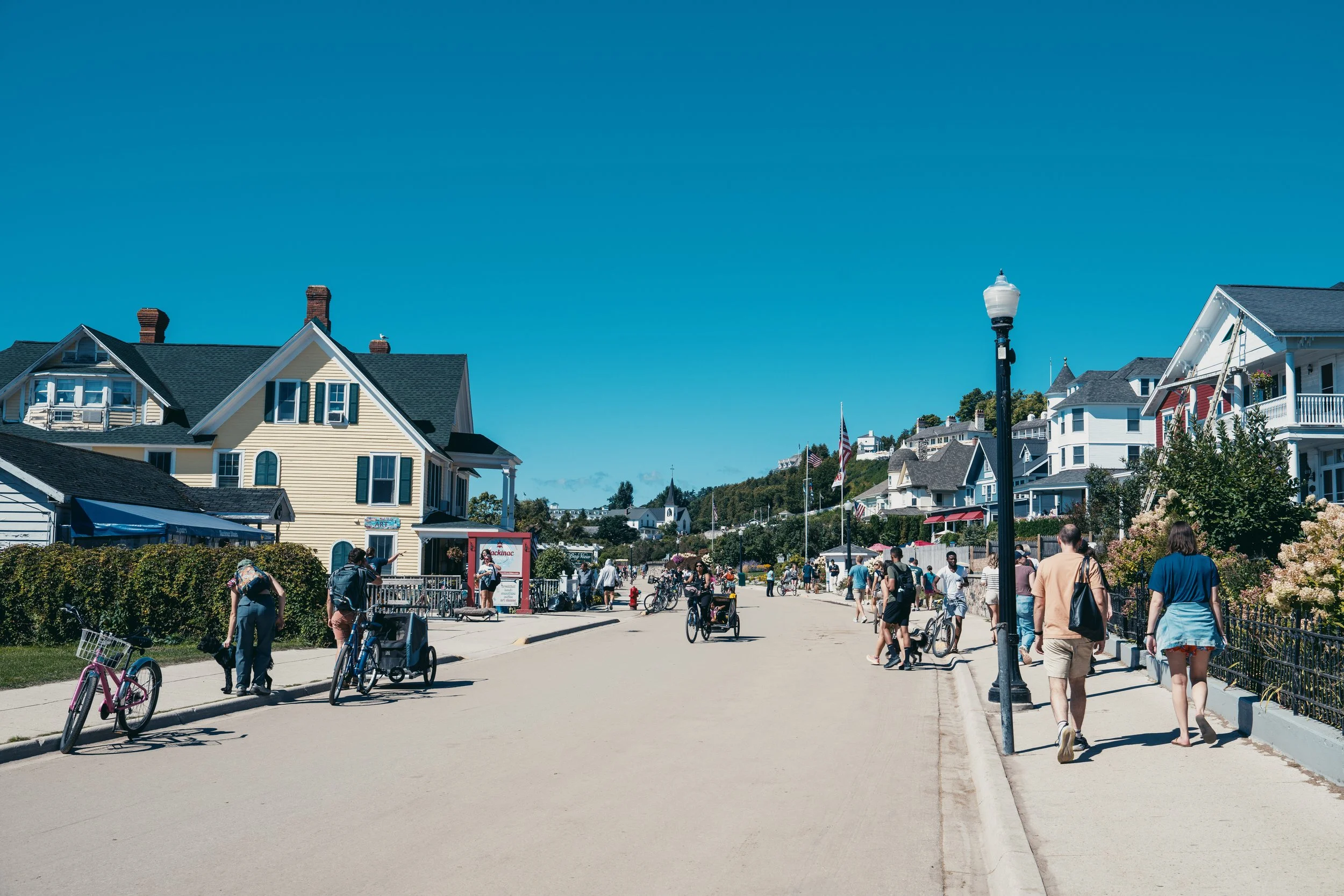
And so the island kept its horses. There were carriages everywhere, clip-clopping down streets full of people visiting and living and simply enjoying their day. Bikes leaned against every fence and storefront. And the houses had no driveways, just a simple path from the street to the front door, which might be the most quietly radical thing I saw all week. A house without a driveway is a house that assumes you'll arrive slowly.
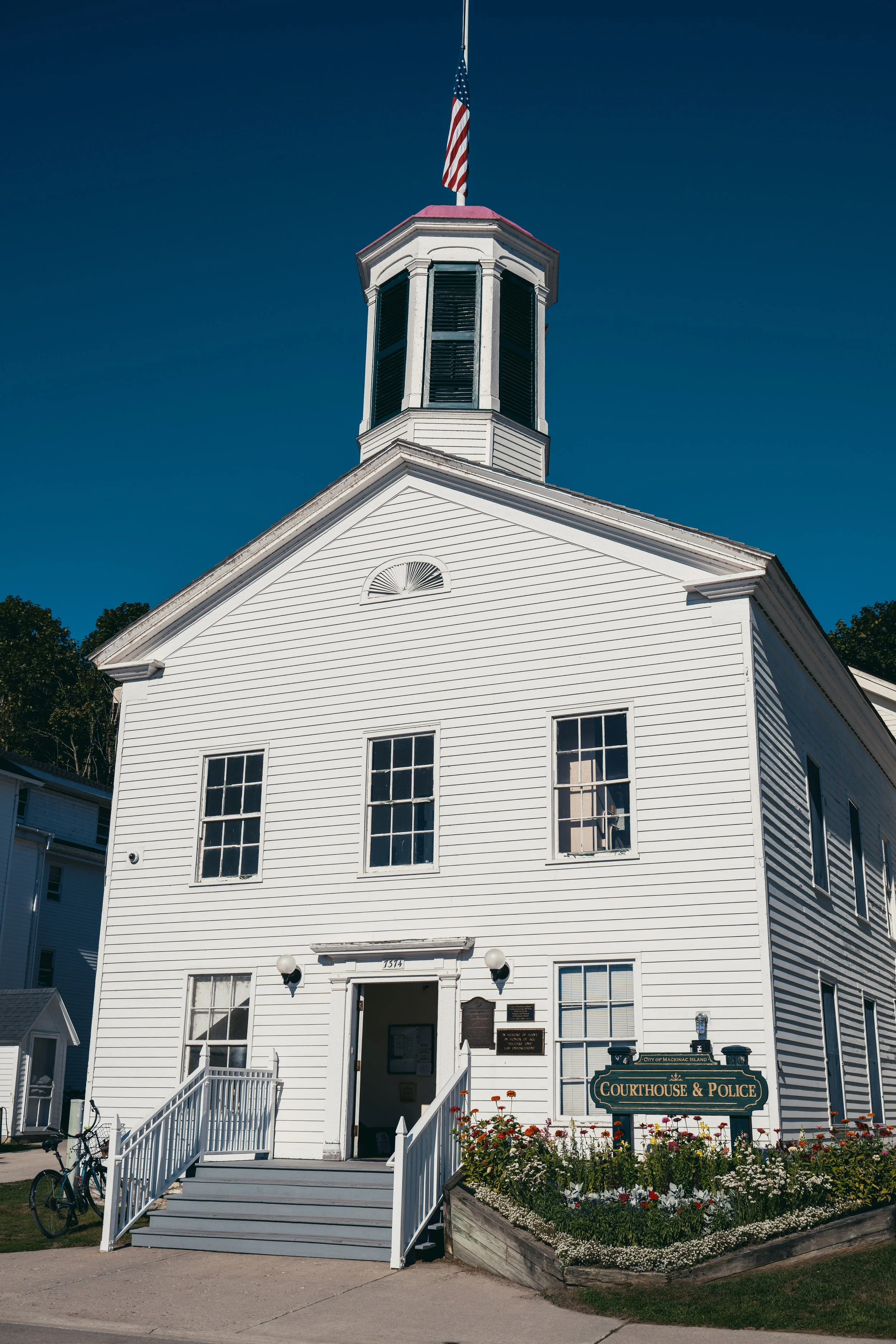
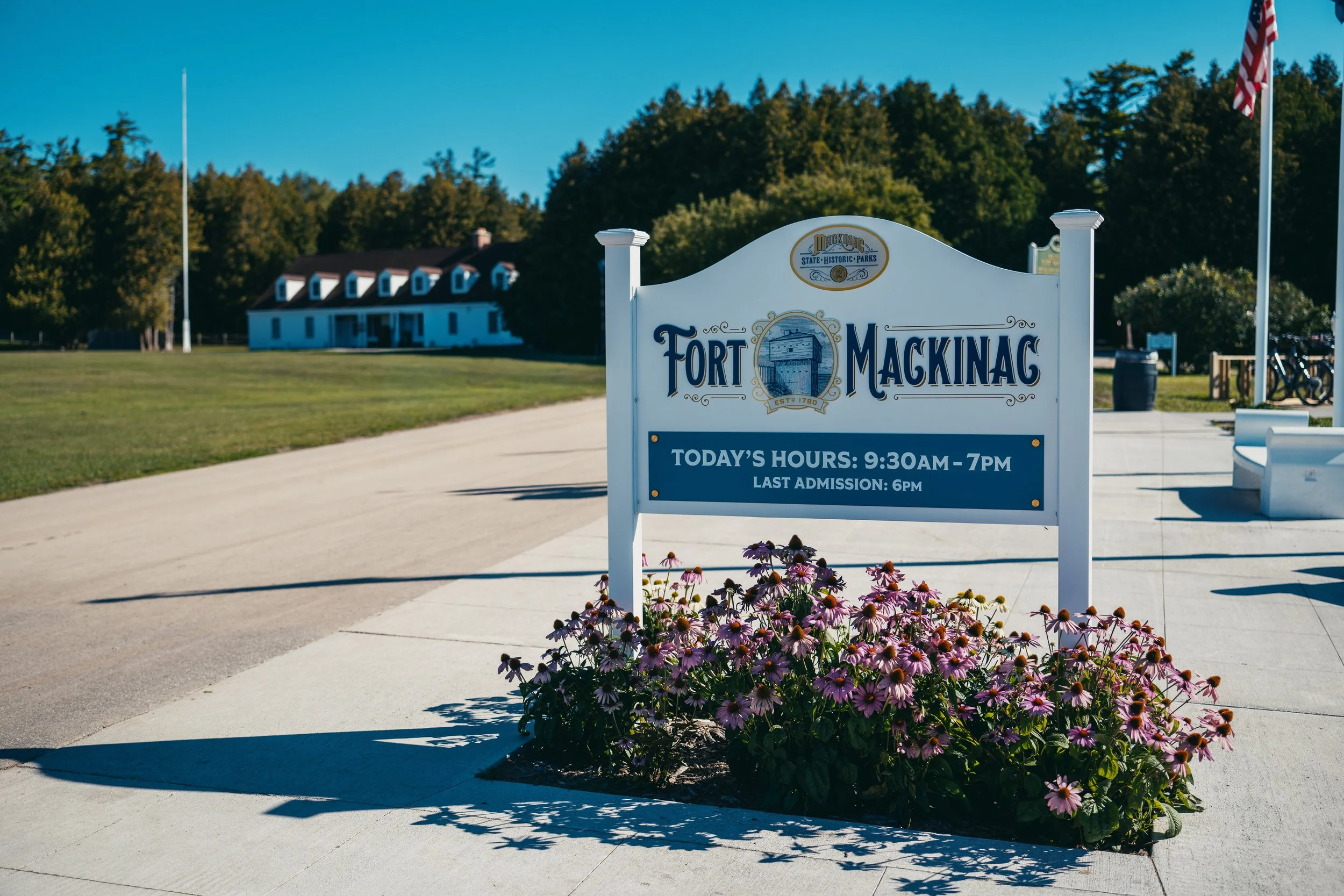
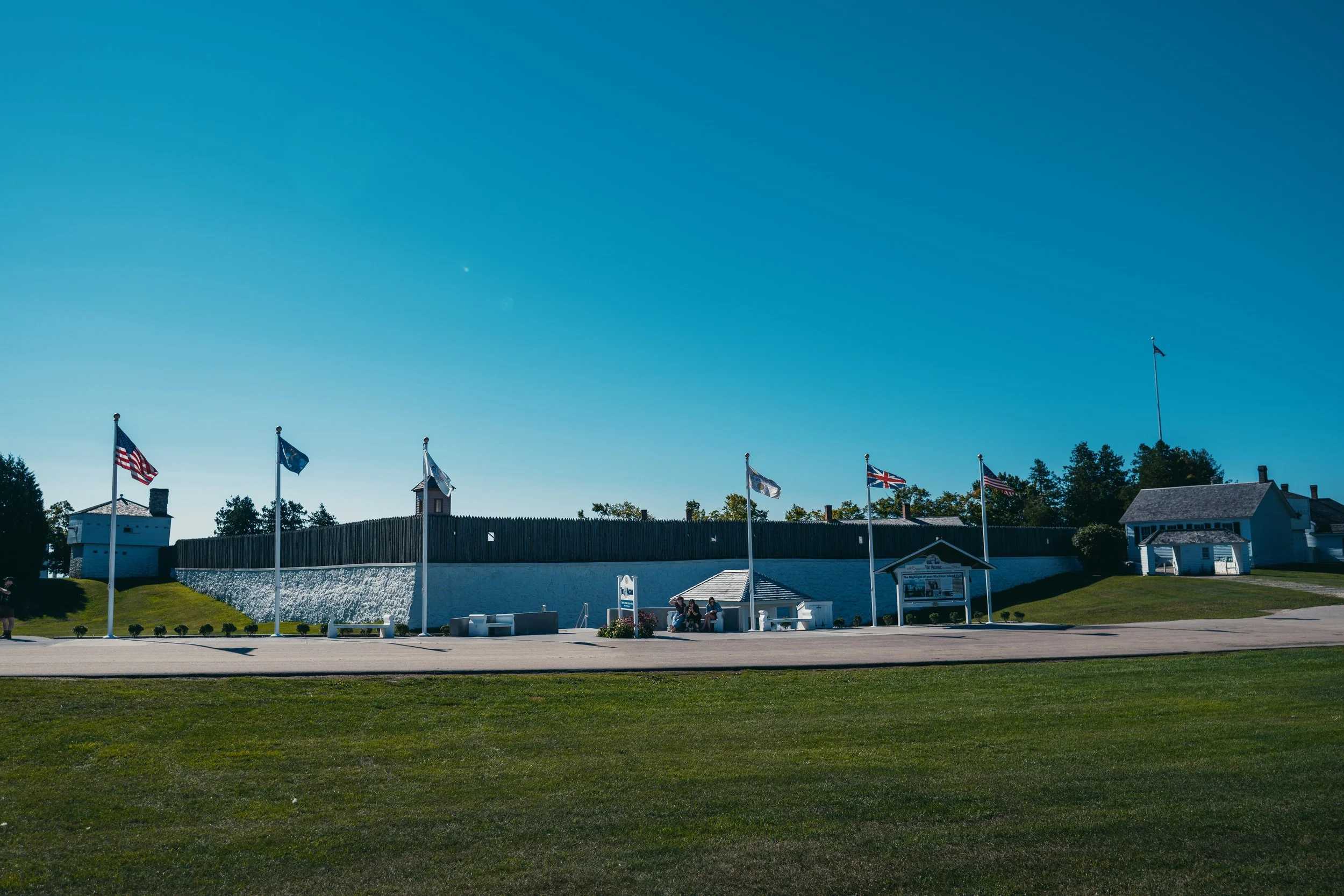
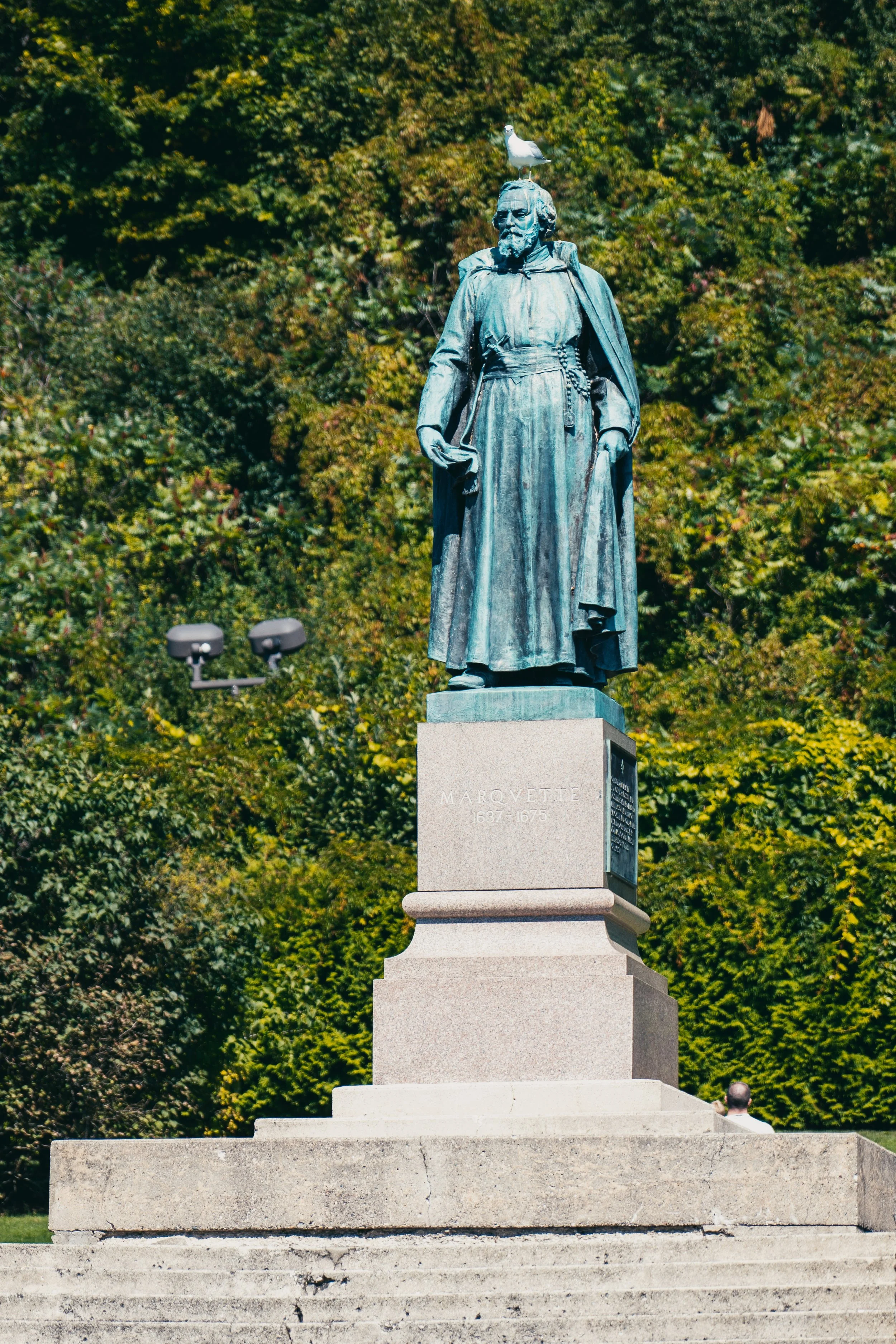
We hiked up to Fort Mackinac, which the British built during the American Revolution because the island's limestone bluffs were easier to defend than the mainland, and we learned the history of a place that has changed hands between empires more than once. Then we meandered over to Skull Cave, which sounds a lot cooler than it turned out to be in real life. It's less a skull than a lumpy limestone overhang. It looks, if I'm being honest, like a blobfish.
But Skull Cave has a secret. In 1763, during Pontiac's War, a fur trader named Alexander Henry hid there after surviving the capture of Fort Michilimackinac on the mainland. He made himself a bed of branches in the dark, slept until morning, and woke up to discover he had spent the night lying on a pile of human bones. So Skull Cave is a two-star rock with a five-star story.
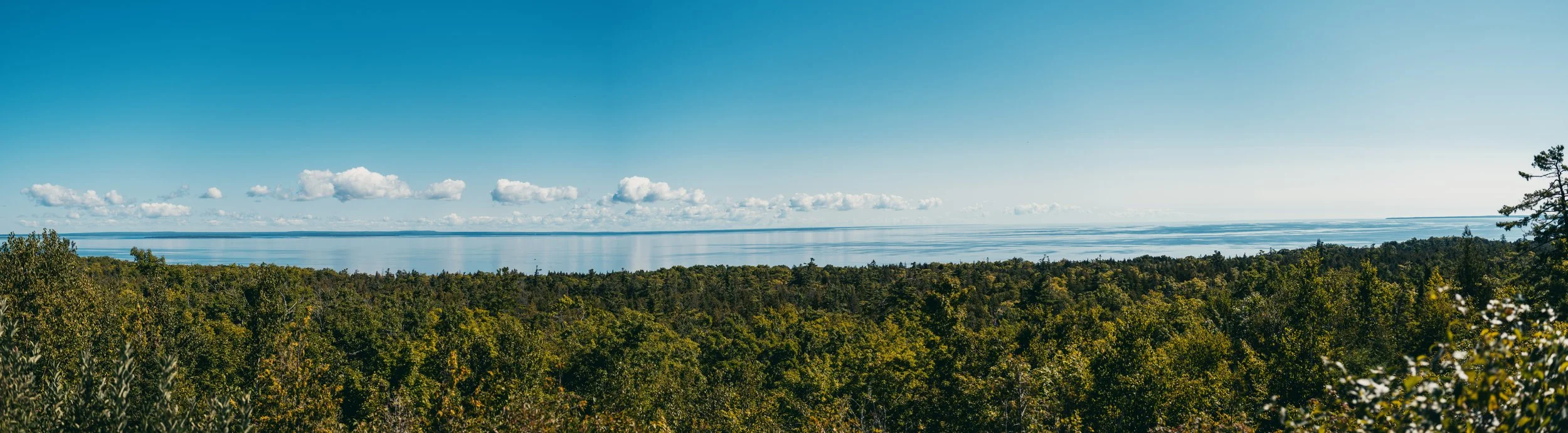
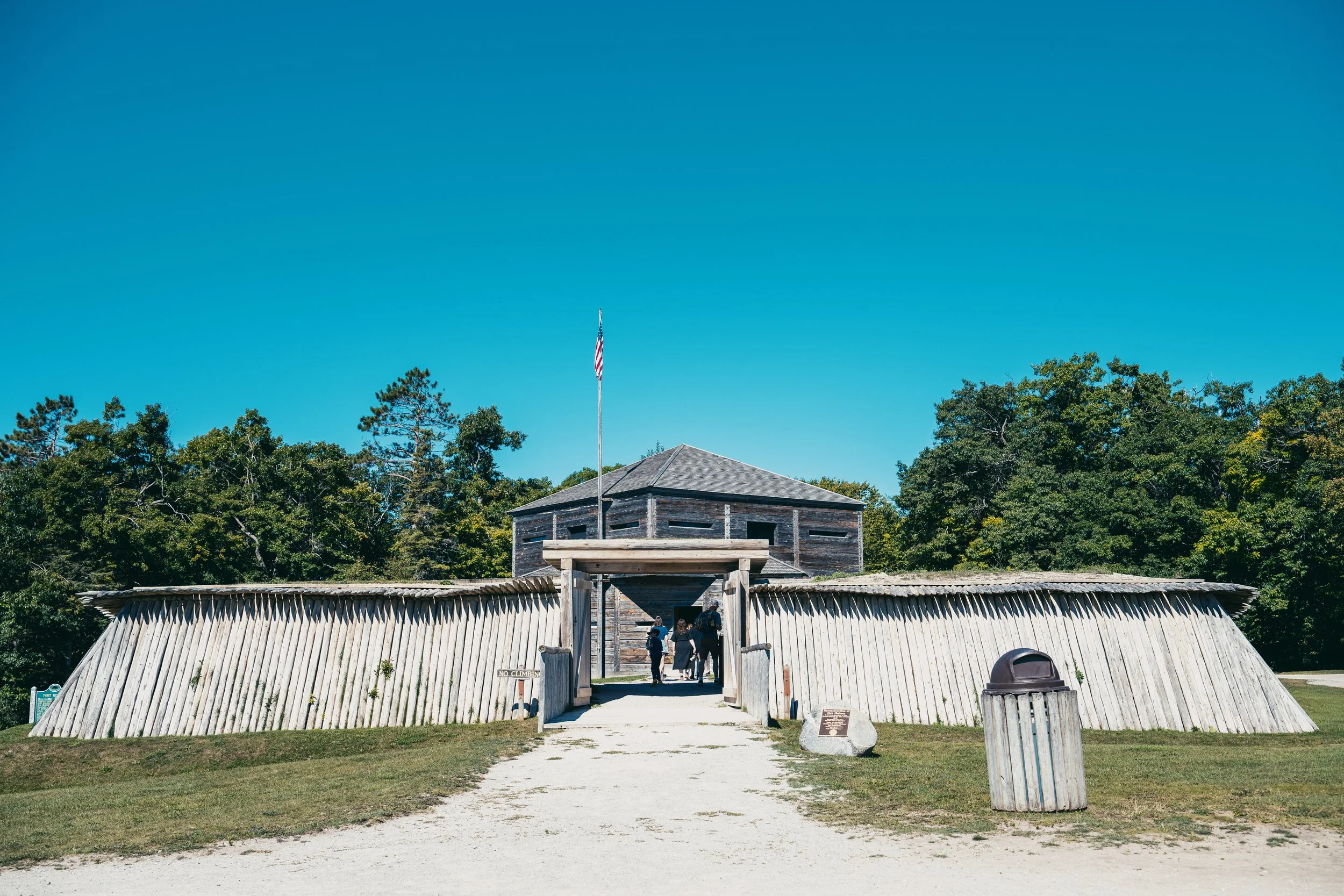
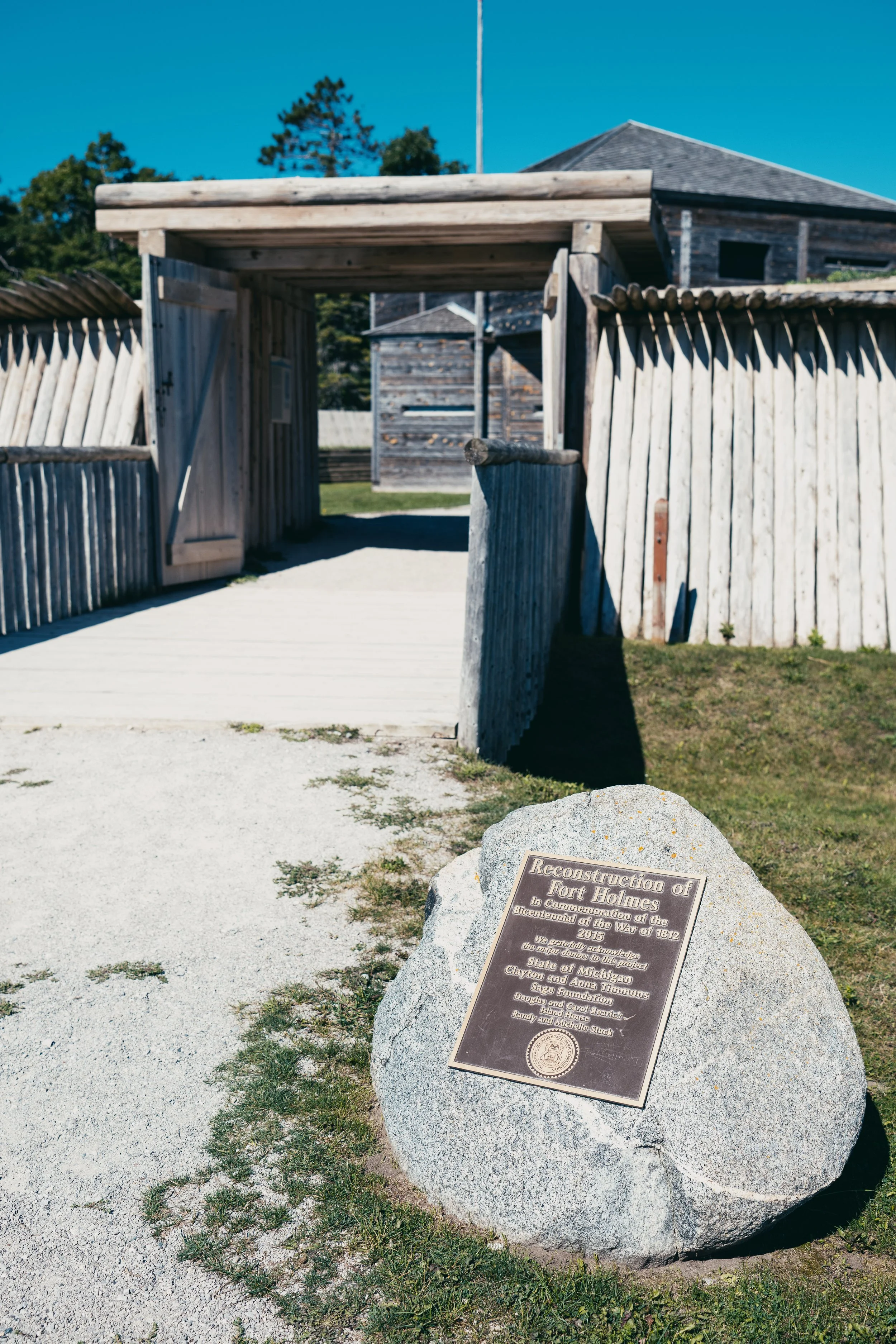
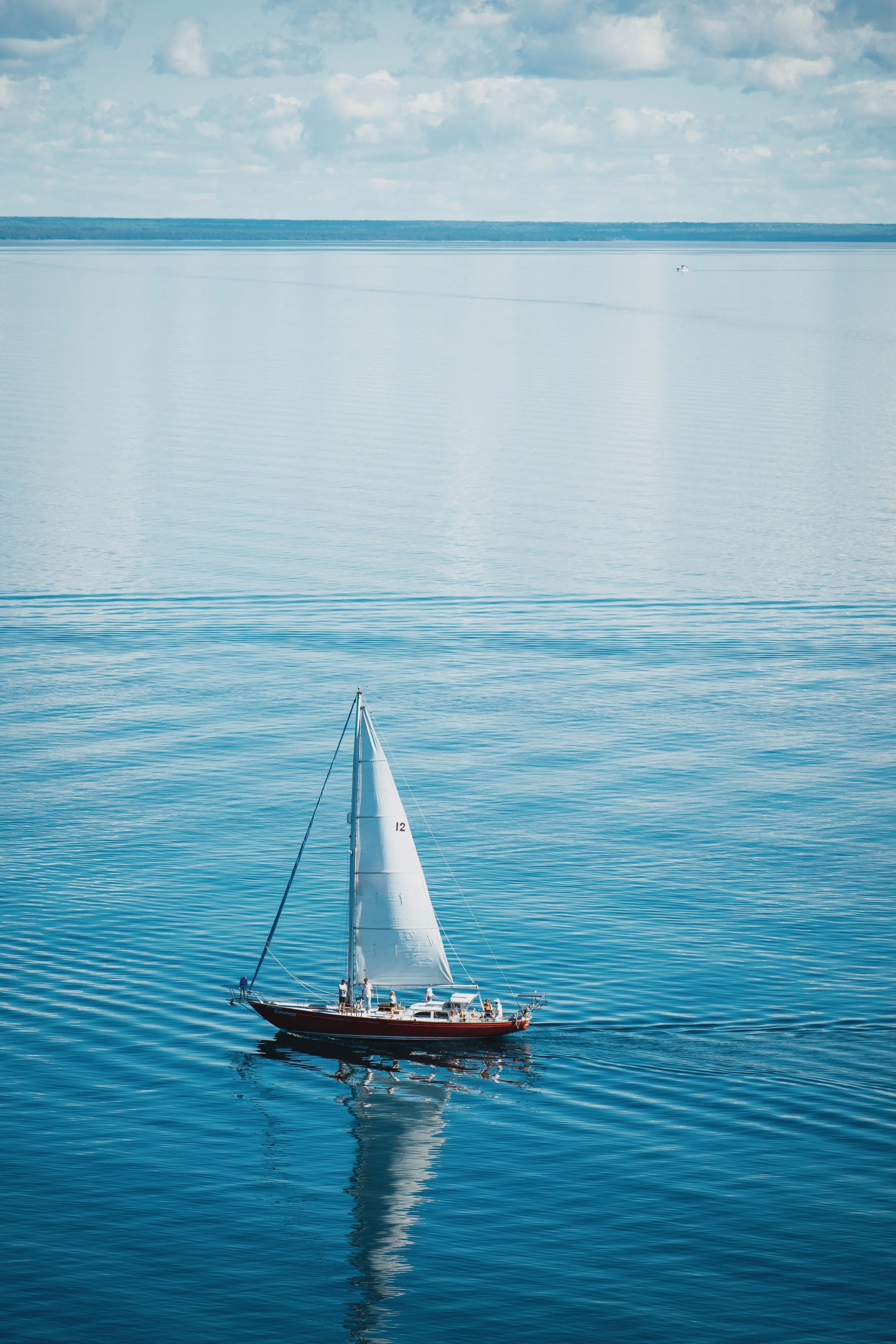
From there we climbed to Fort Holmes, the highest point on the island. The British built it during the War of 1812 and called it Fort George; the Americans later renamed it for Major Andrew Holmes, who was killed in the 1814 battle for the island. From the top, about 320 feet above Lake Huron, it looked like you could see forever. The water went on, and the sky went on, and somewhere out there they quietly agreed to become the same color.
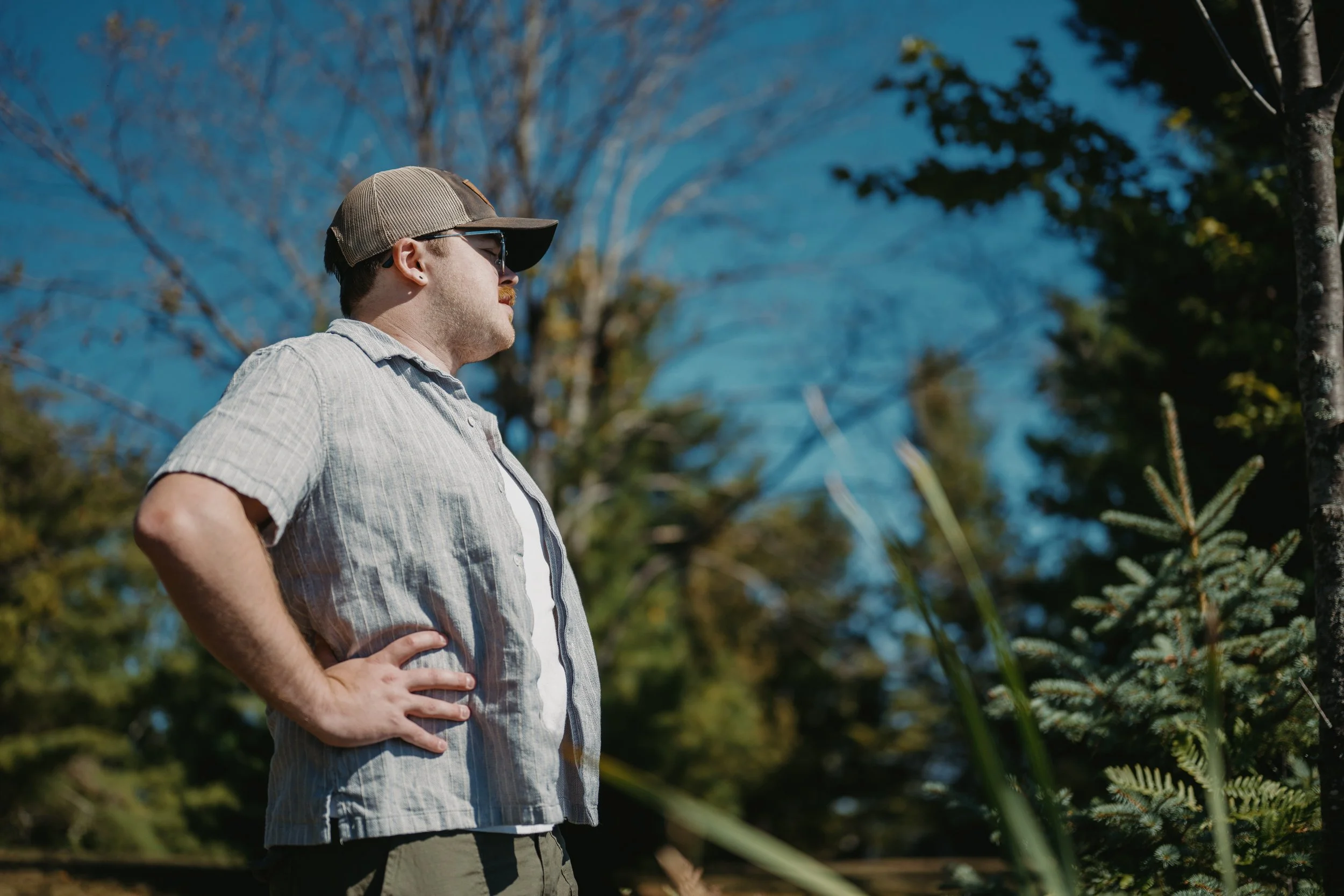
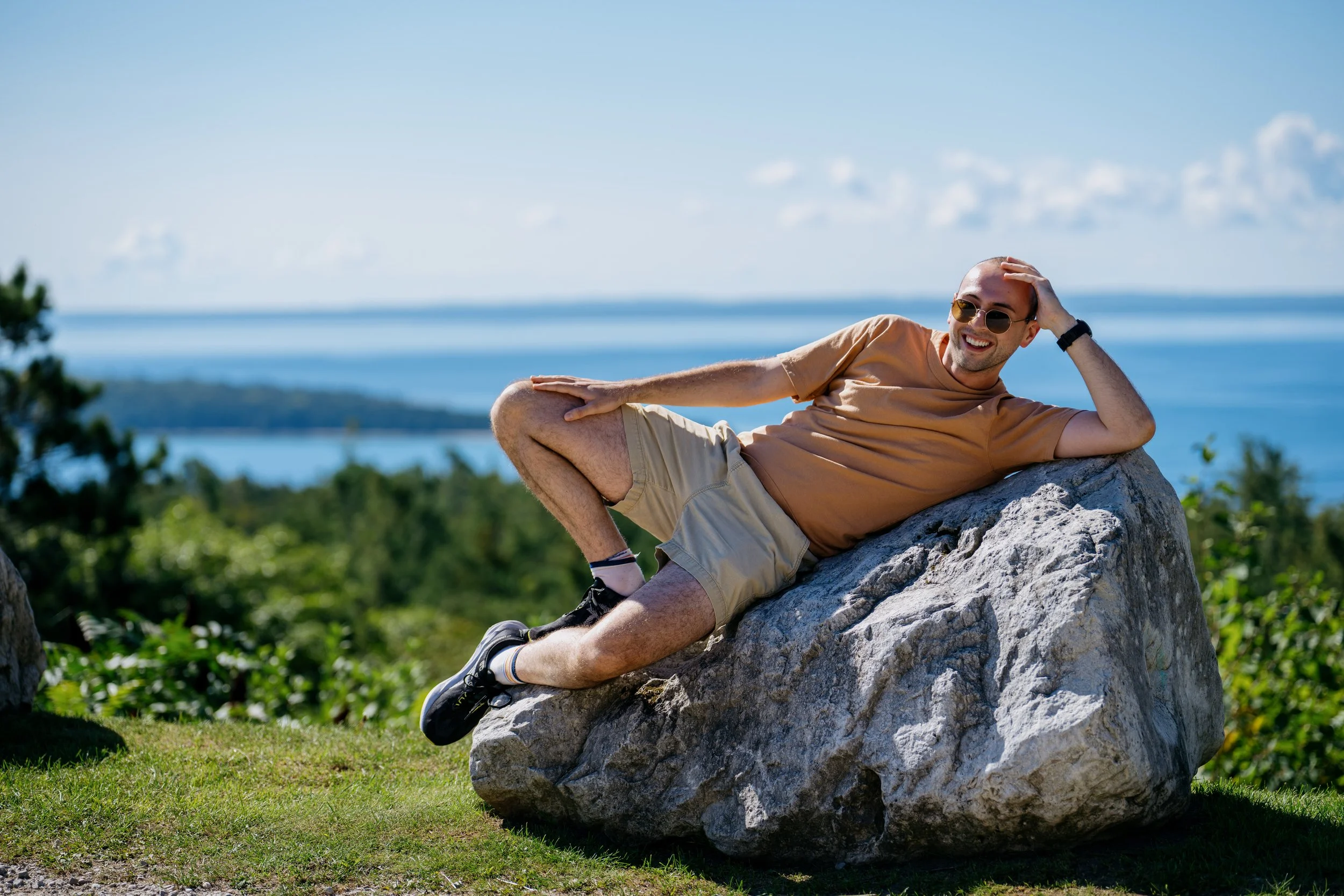
I did the math later. From that height, the horizon is about twenty-two miles away. So forever, it turns out, is roughly twenty-two miles. It did not feel like twenty-two miles. Up there, Dylan sprawled across a big boulder like he was posing for an oil painting, with Lake Huron behind him, and I took his picture. He looks ridiculous and amazing at the same time, which is a hard combination to pull off. I hope it's a photo he looks back on for the rest of his life and enjoys, because it shows you exactly who he is: good-hearted all the way through.
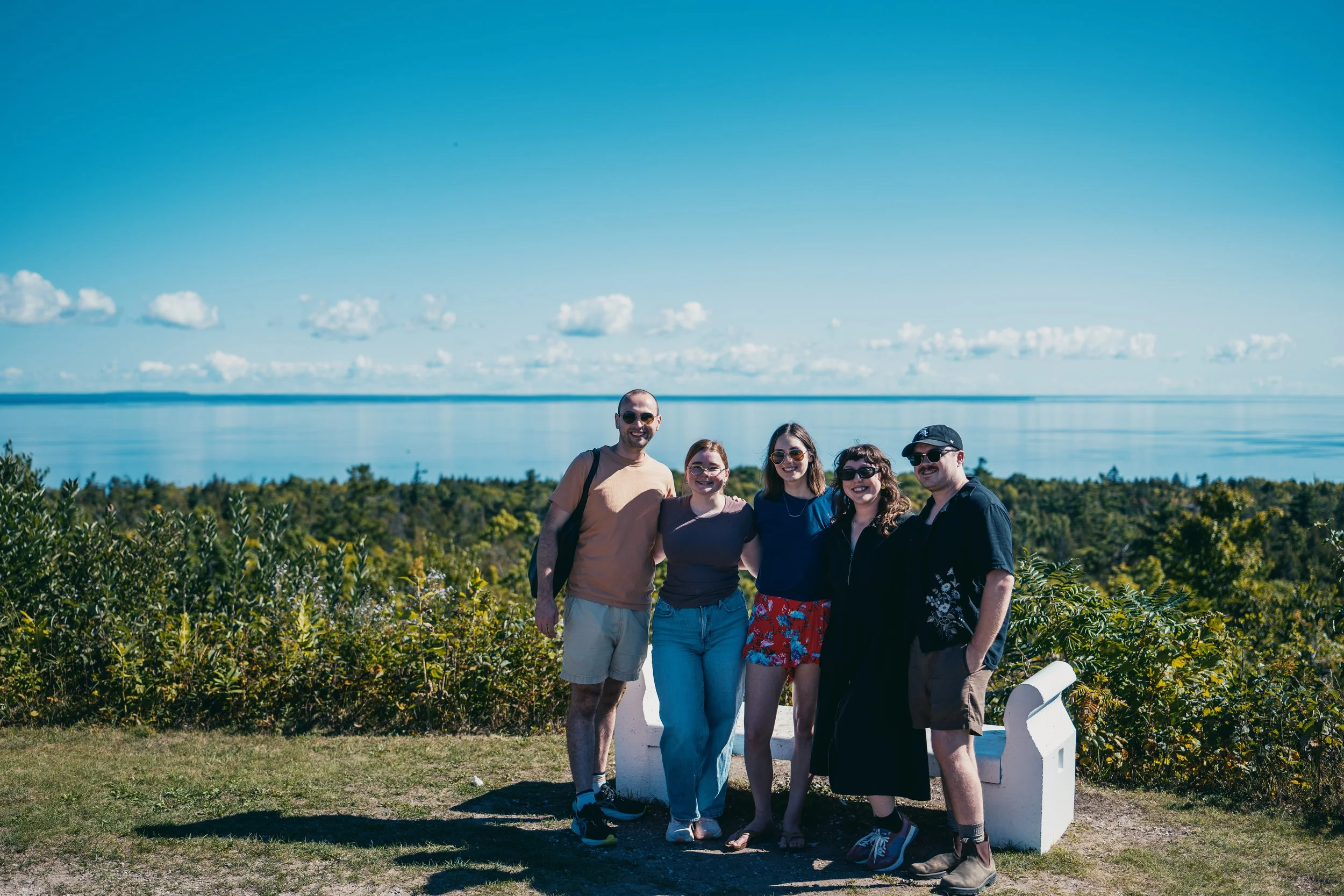
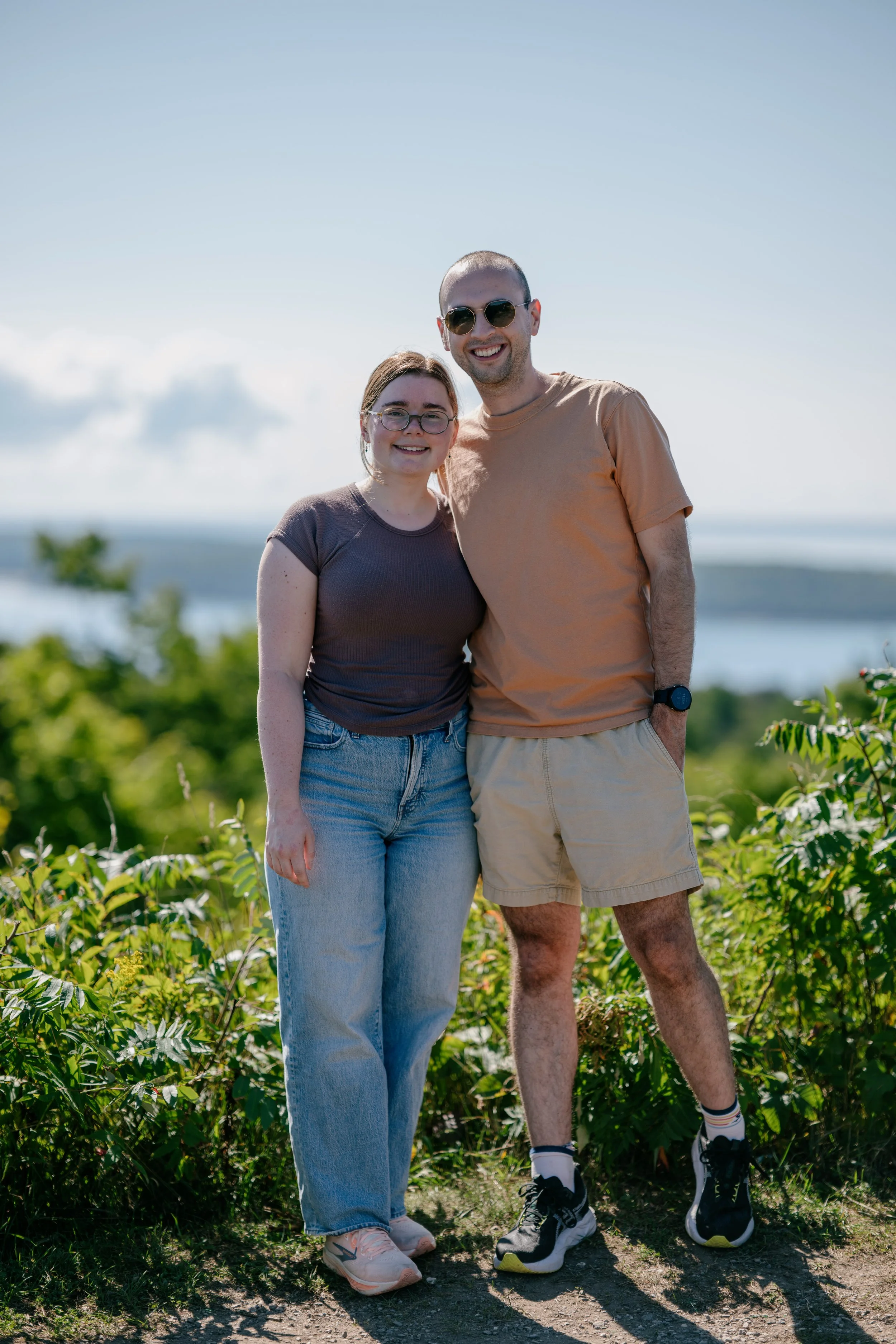
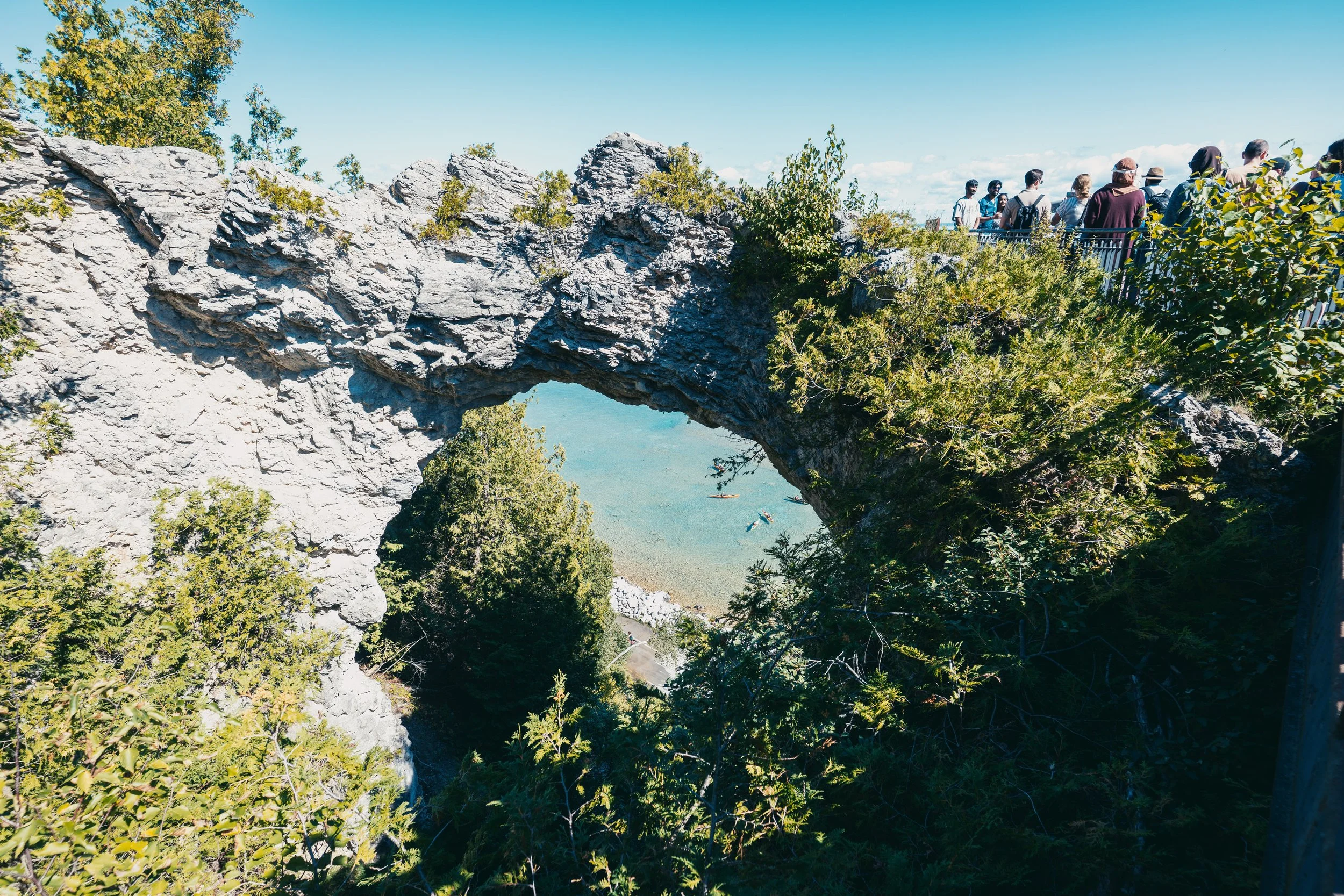
I've seen big views before. But a view is different when you see it with people you love. You turn to someone and say "look," and they look, and for a second you are both seeing the same forever. Afterward we wandered down to Arch Rock, where a crowd of total strangers stood shoulder to shoulder photographing the same hole in the sky, and I liked every one of them a little bit for it.
Capsaicin and Starlight
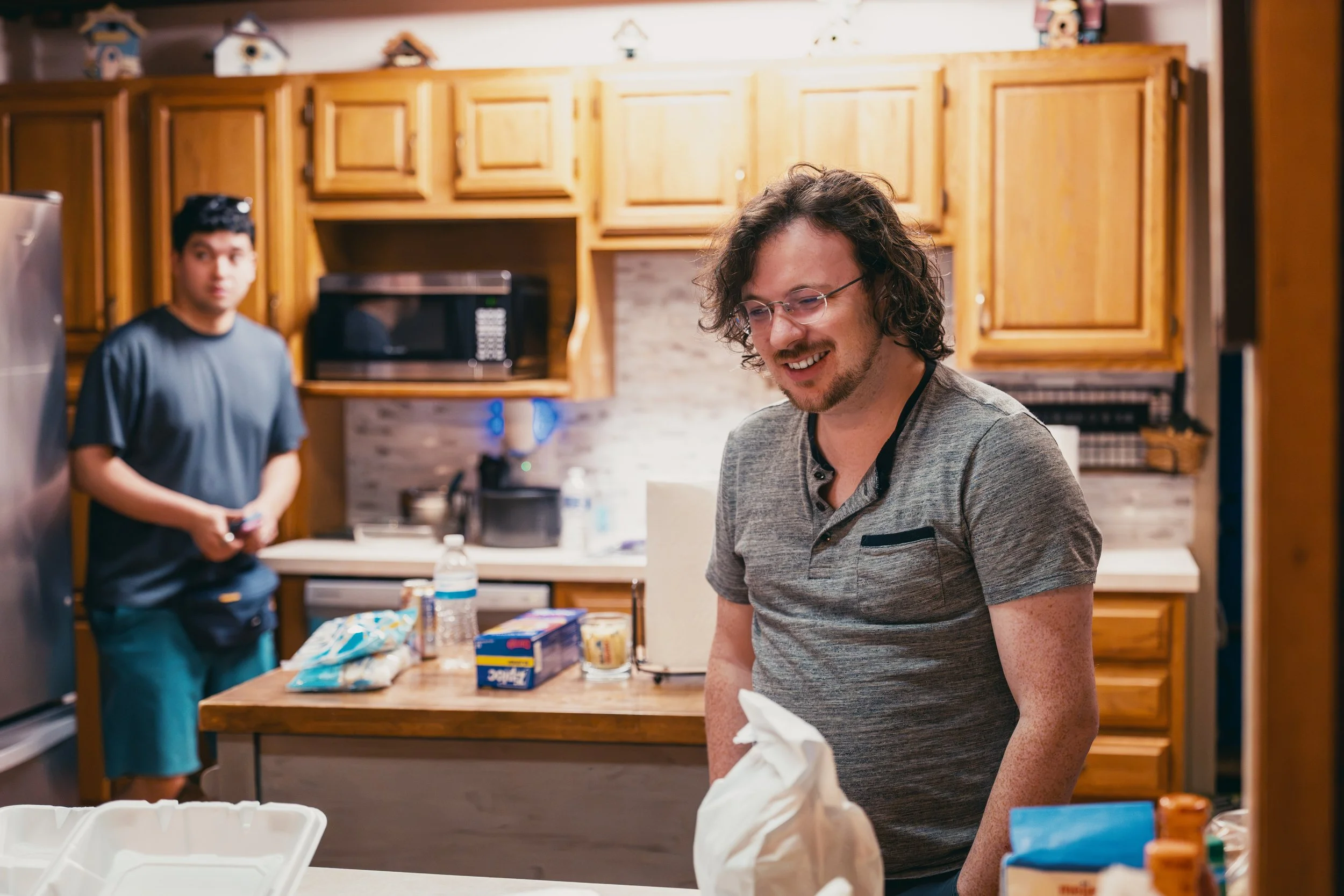
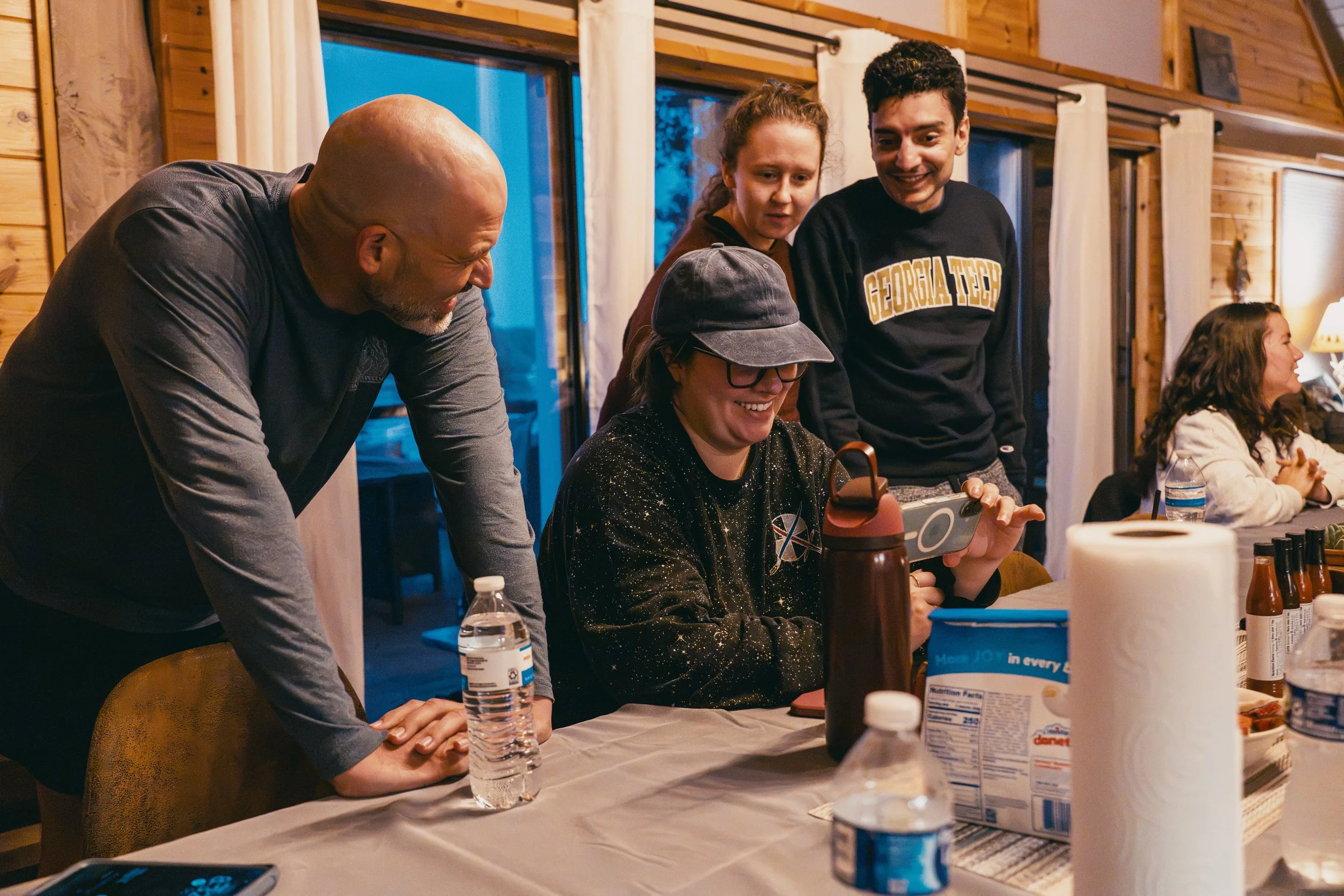
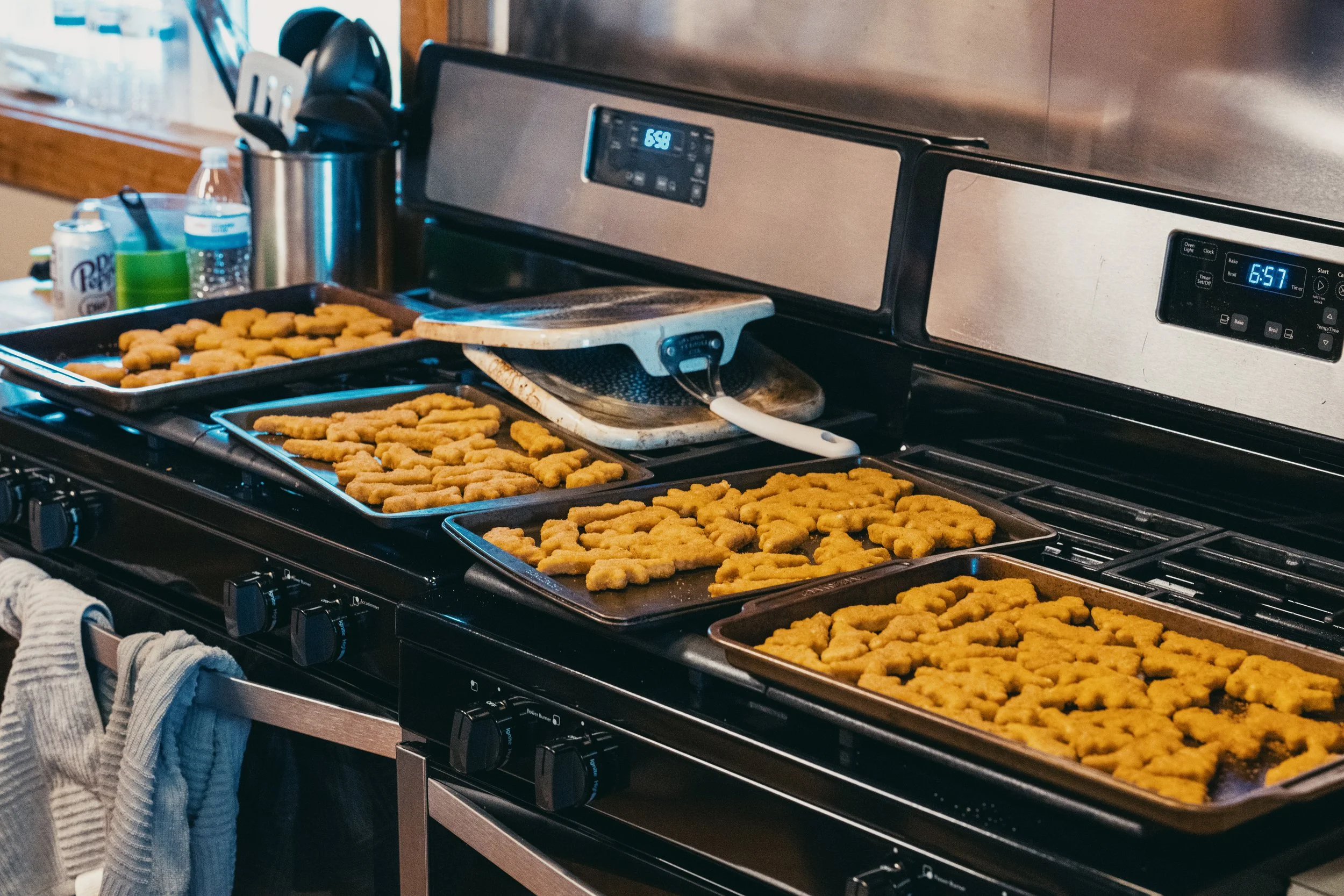
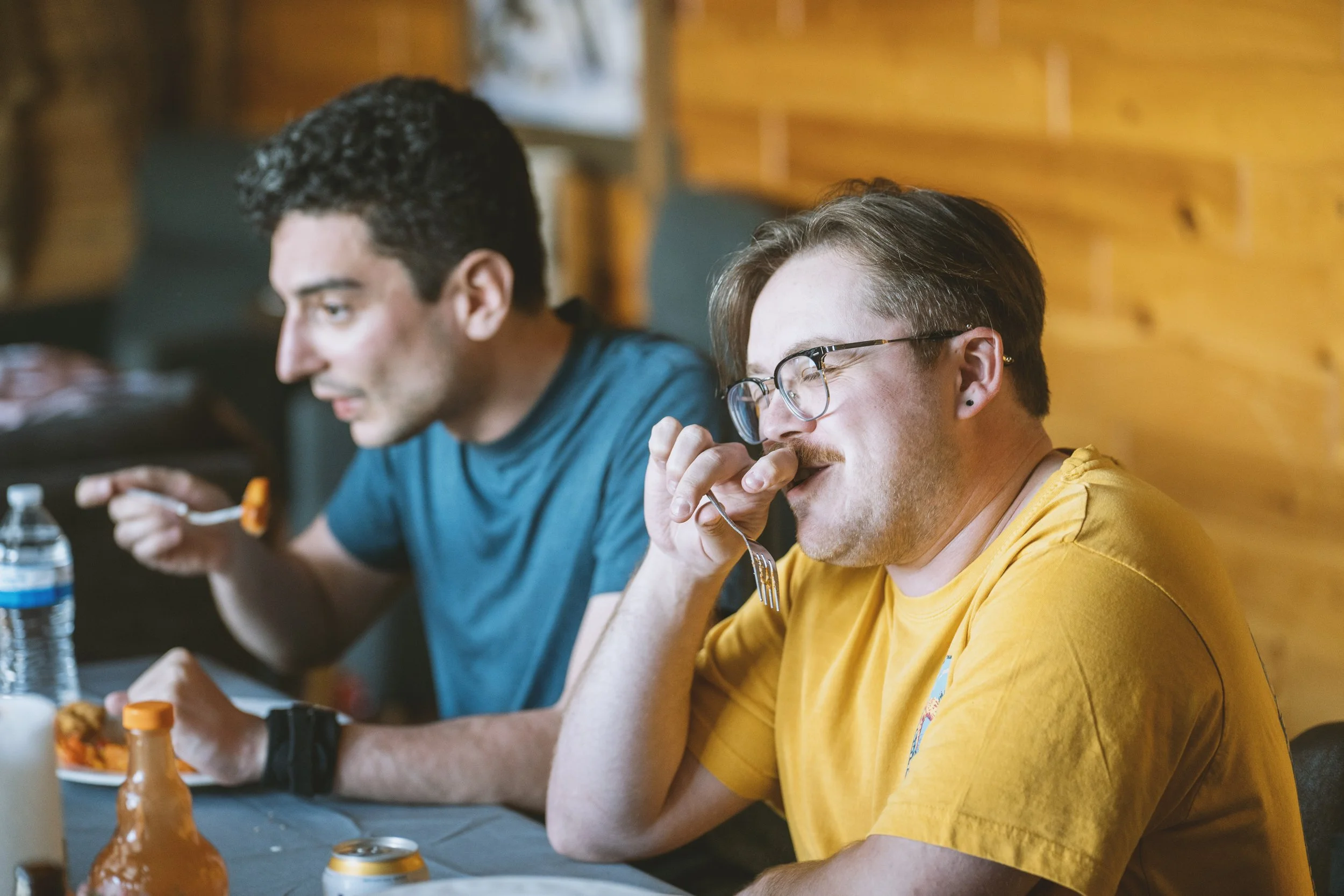
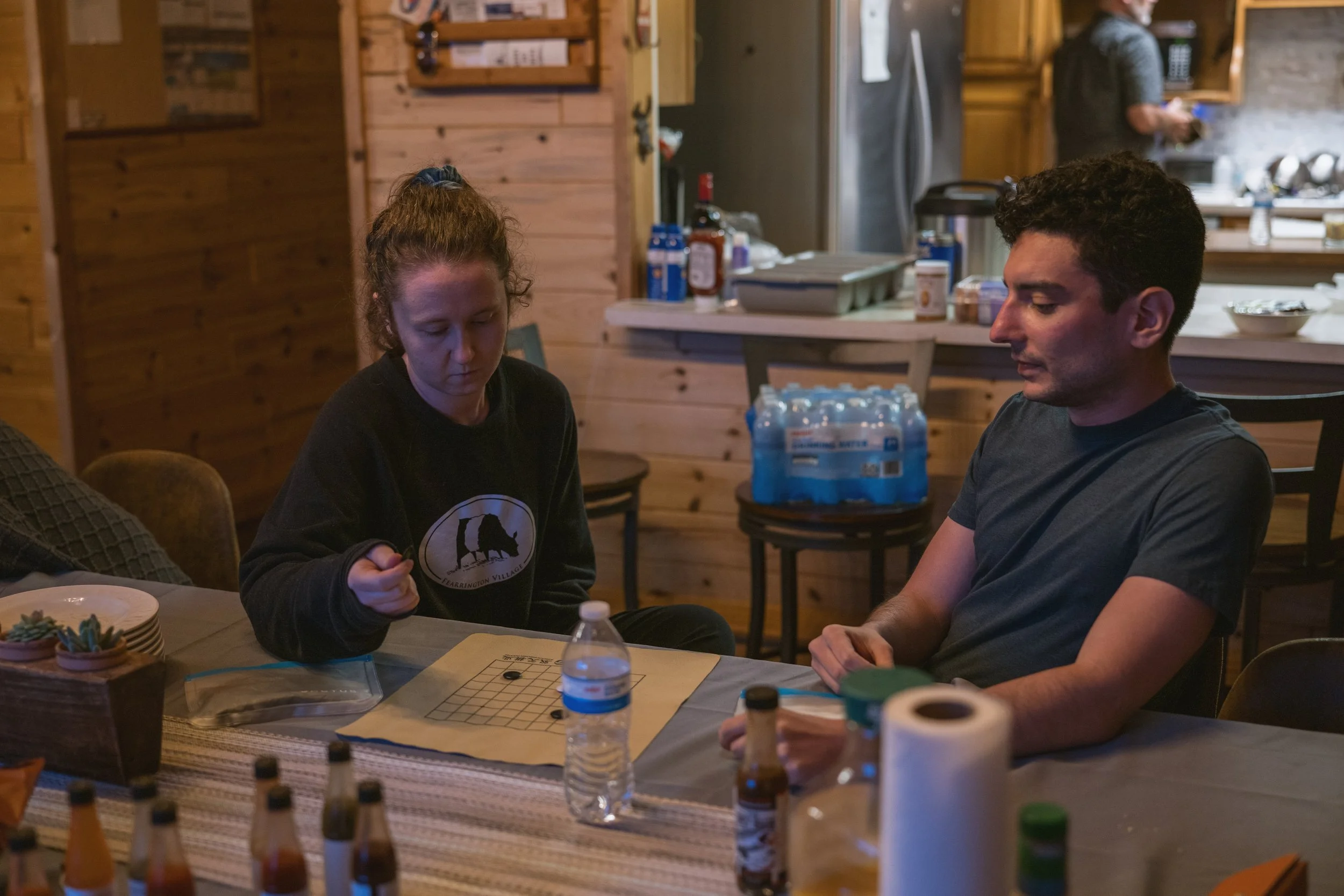
That evening we had chicken nuggets, several sheet pans of them, because I believe every great trip needs at least one dinner a kindergartner would sign off on. And then we brought out the hot sauces.
When you stop and think about it, hot sauce is a deeply strange human invention. Capsaicin, the stuff that makes chili peppers hot, works on a pain receptor that mammals have and birds, for all practical purposes, don't. So birds can eat the hottest peppers without complaint and scatter the seeds far and wide, while the rest of us experience those same peppers as, more or less, a small fire. And then there are humans, who are, as far as I know, the only animals that feel that fire and go back for more on purpose.
We lined the bottles up on the table, each one hotter than the last, and dared each other down the row to see how much heat we could take. Here is a useful fact for your next hot sauce night: water does almost nothing, because capsaicin is oily and won't dissolve in it. Milk works because a protein called casein grabs on to the capsaicin and carries it away. So there we were, a table full of red-faced, laughing adults, passing the milk around like it was medicine. Which, in fairness, it was.
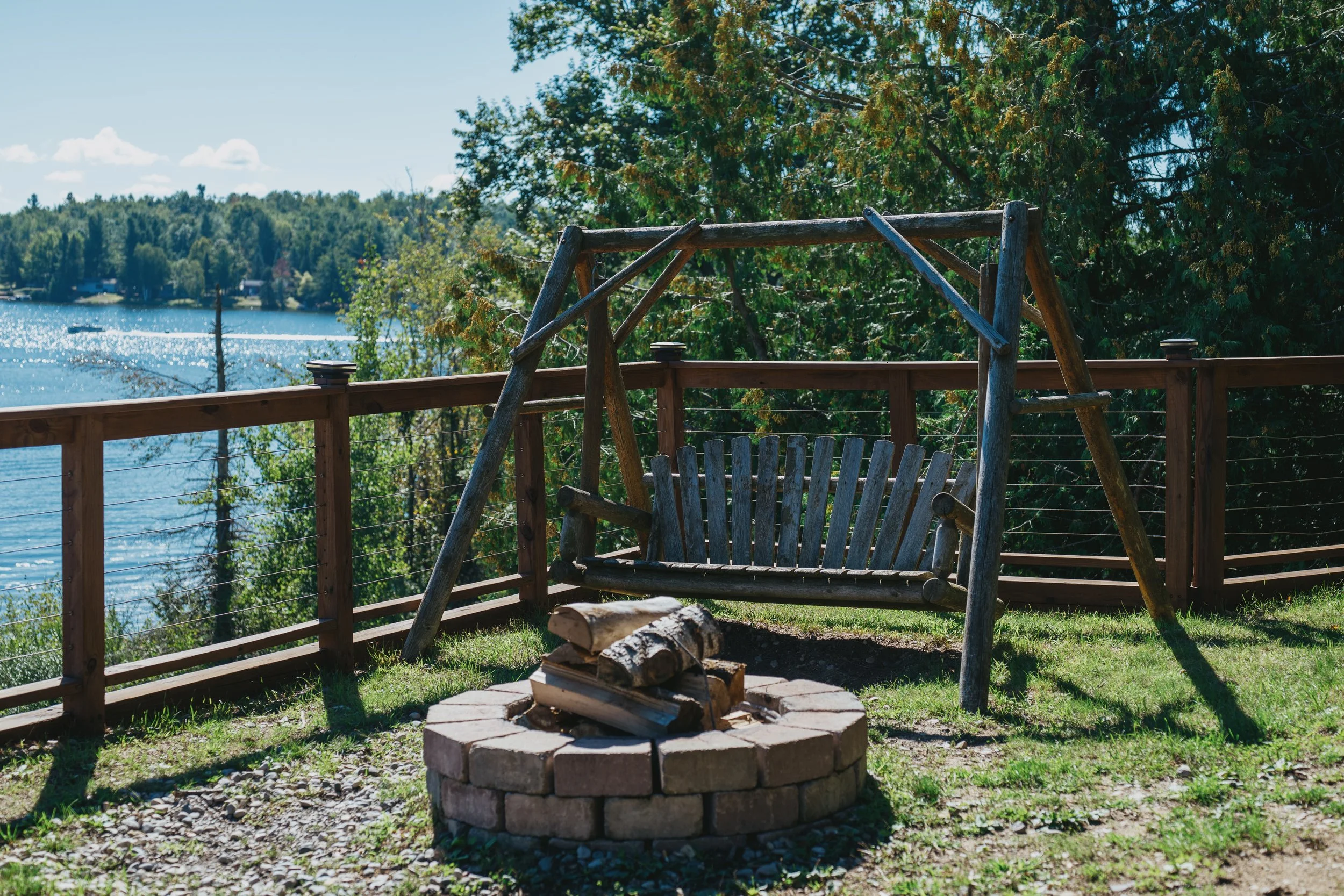
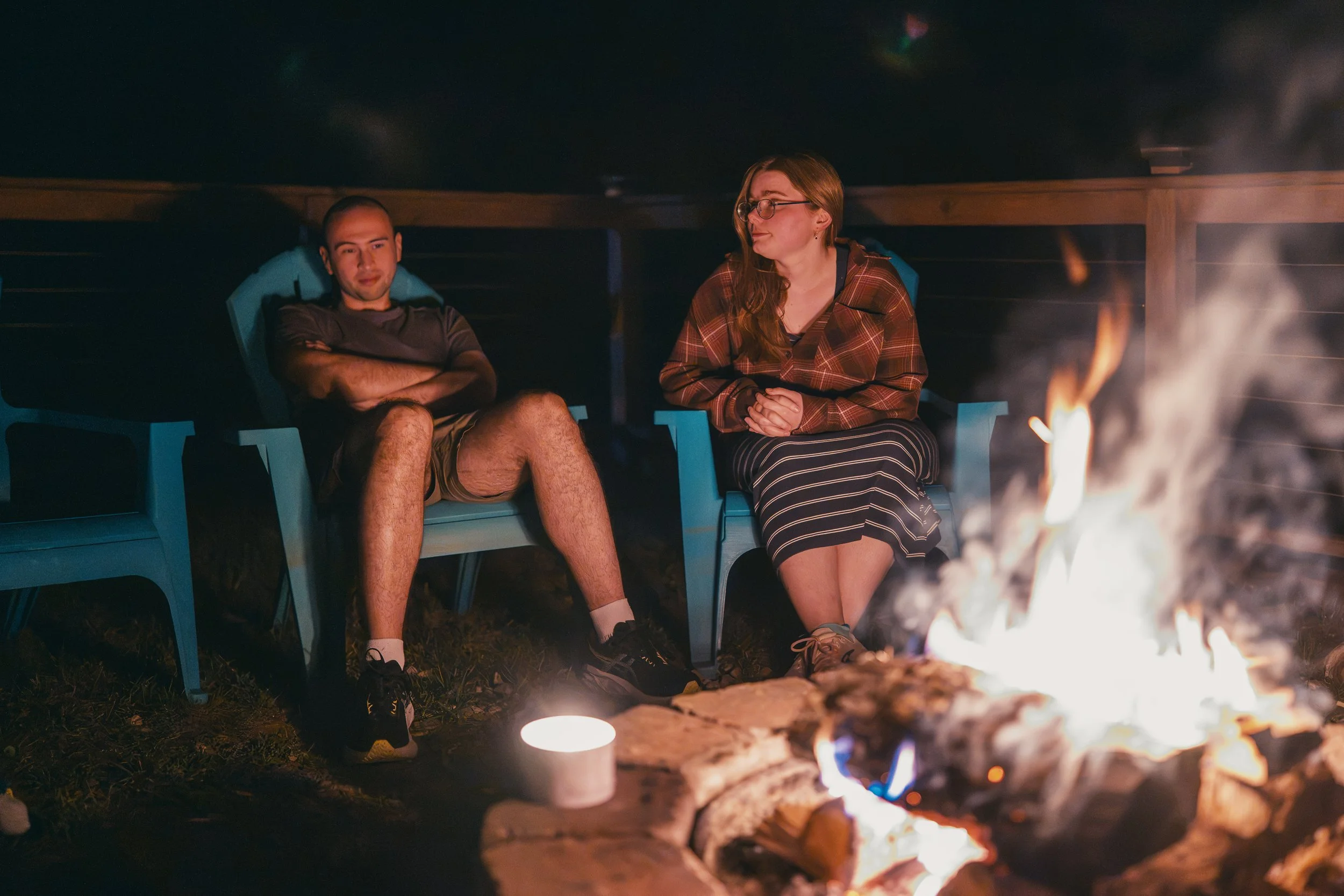
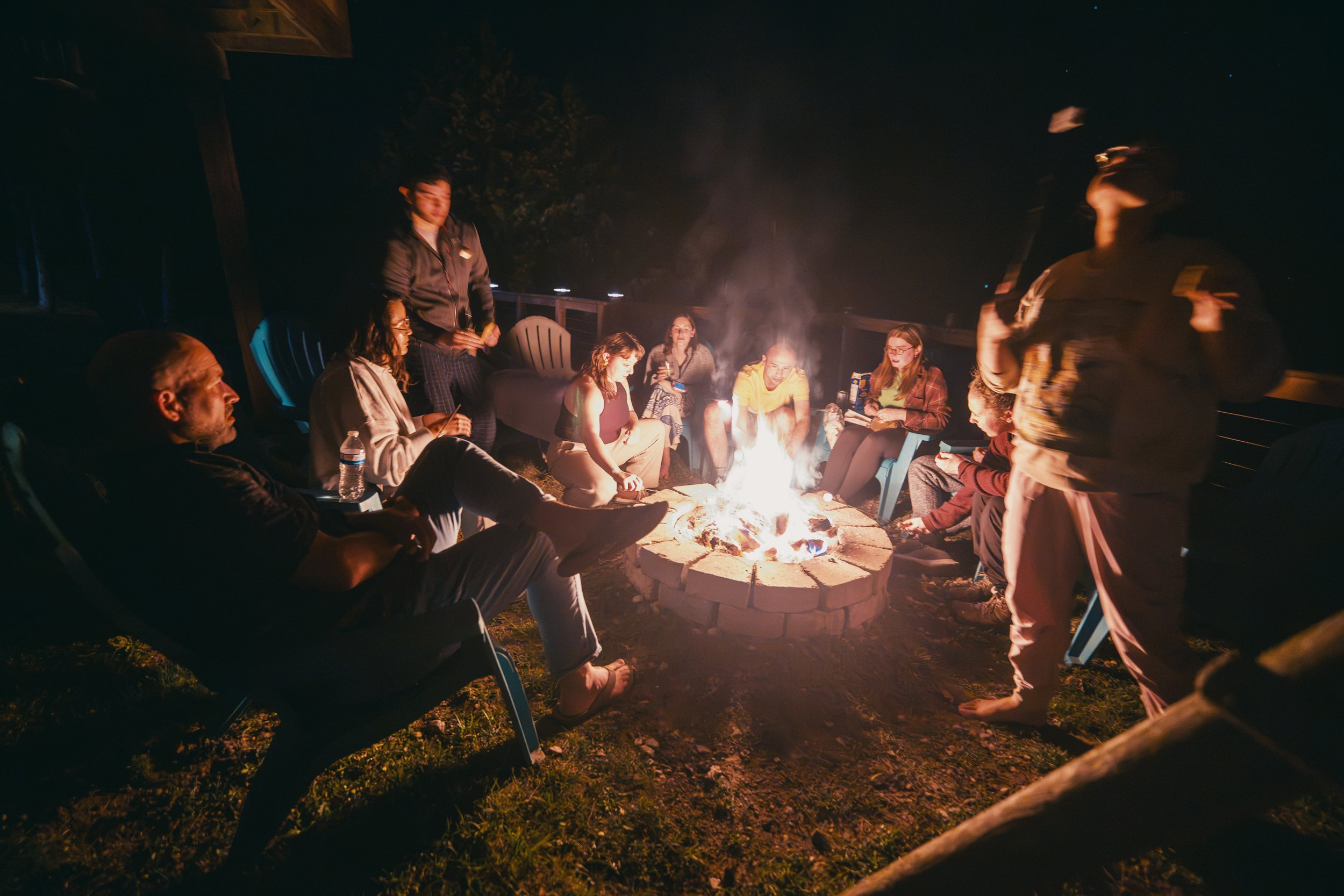
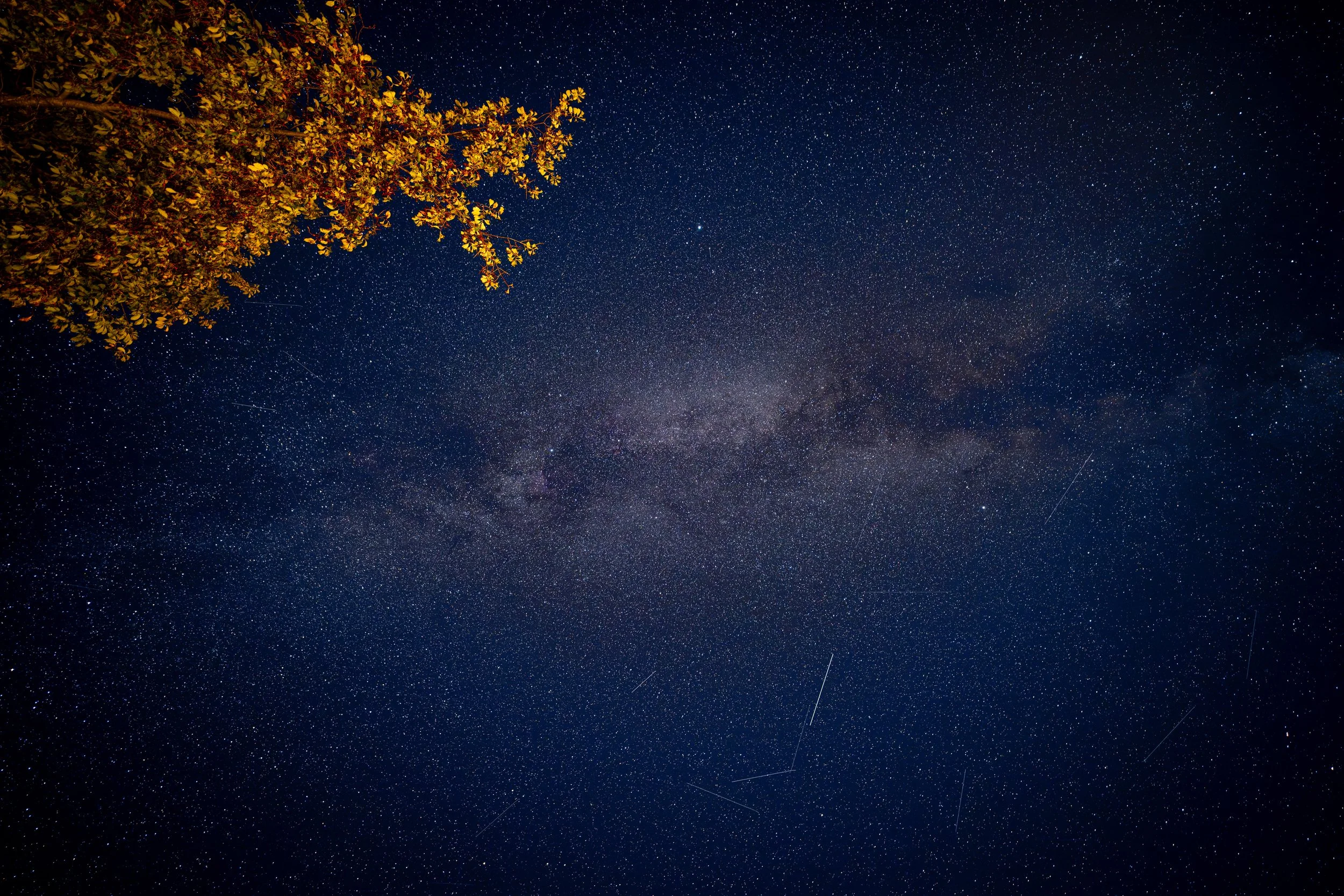
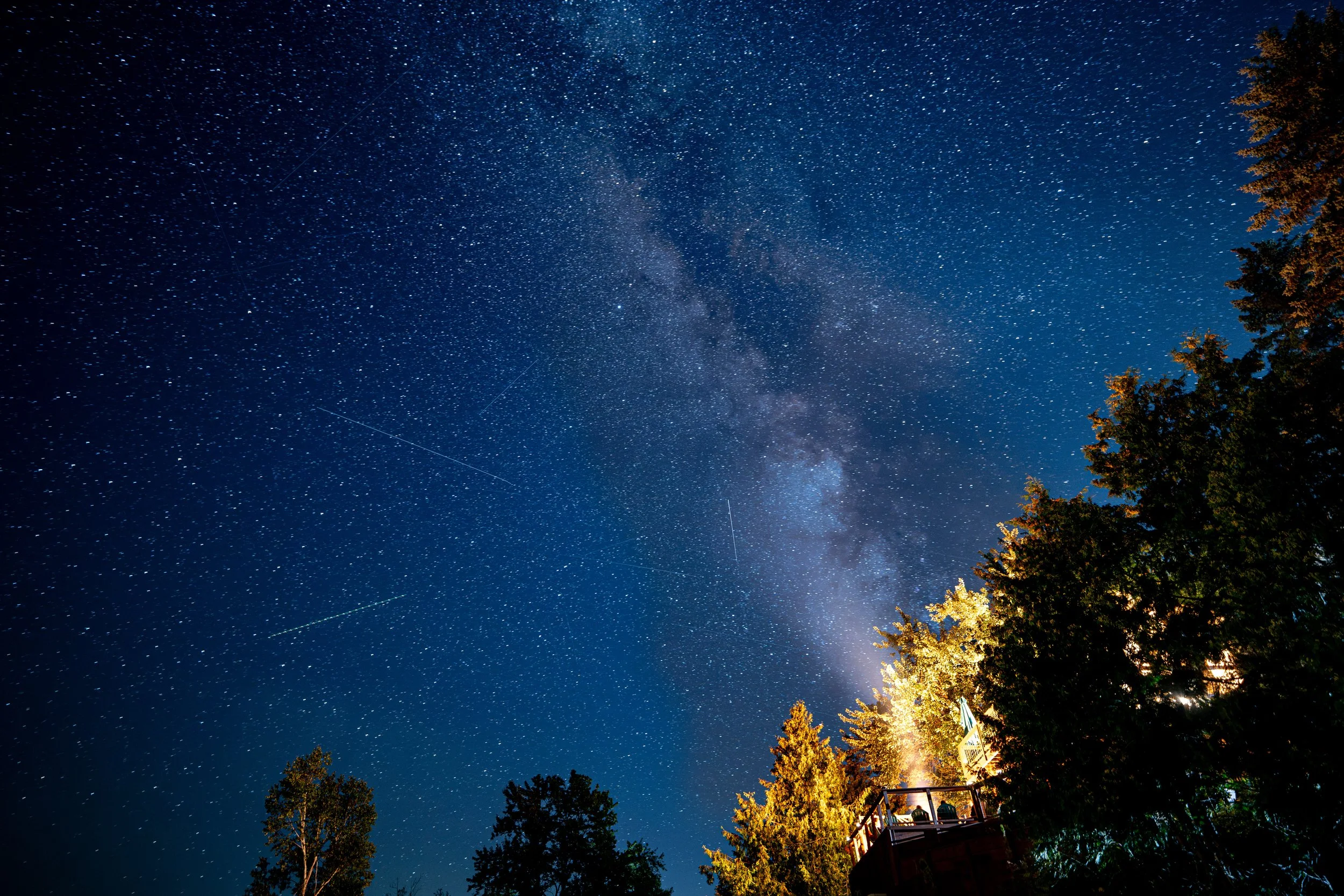
Later we gathered around the fire pit as the stars came out. Way up there, far from any city, the sky does something it can't do at home: it shows you the Milky Way, not as a rumor but as a river. I took my camera and walked off into the darkness, away from the fire, until my eyes adjusted and the sky filled in. Then I turned around and photographed my friends, small and warm around the flames, with the smoke rising off the fire in long ribbons, just like the steam off the lake that morning, and drifting up into the galaxy above them.
I like to think that the good times we had that night are still drifting outward from that spot. That they keep going on forever.
And here's the thing: in a very literal sense, they do. The light from that fire didn't stop when the fire went out. It is still traveling, at 186,000 miles per second. Less than a day later, the light from our campfire had already traveled farther than Voyager 1, the most distant object human beings have ever made, which launched forty-nine years and one day before that fire was lit. As I write this, that light is more than fifty light-days away. It will still be going long after every one of us is gone.
It works the other way, too. Some of the light in my photograph of the Milky Way left its stars tens of thousands of years ago, when the ground beneath our cabin was buried under glacial ice. It crossed all of that distance and all of that time and arrived, finally, in my camera, on a September night in Wolverine, Michigan, while my friends laughed by a fire.
I've thought a lot about what that means. I think it means that when things line up like that, you have to make sure you actually enjoy them. So I didn't stay out there in the dark. I walked back to join the light of my friends.
The Long Way Home
After five days in Wolverine, it was time to start the trip home.
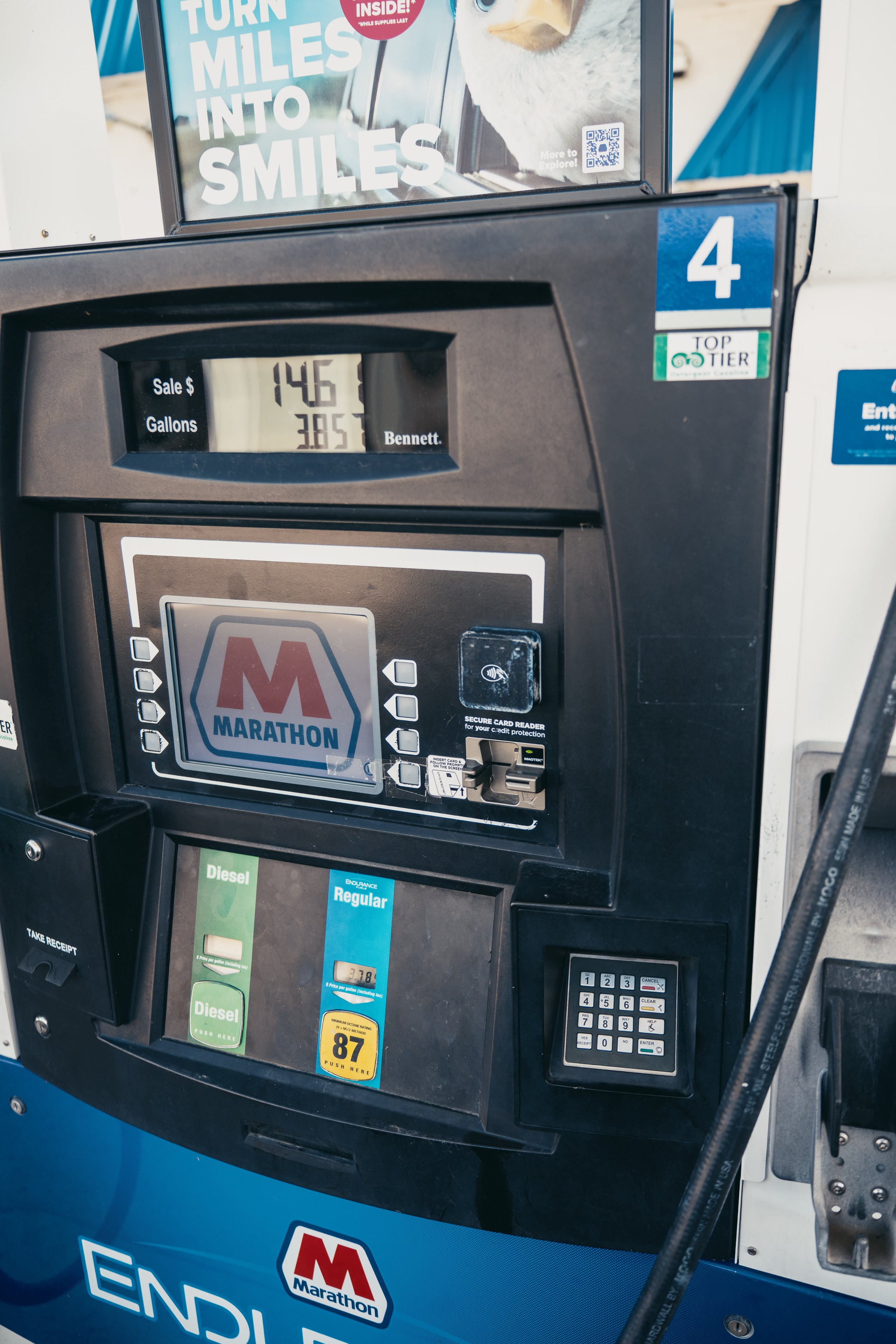
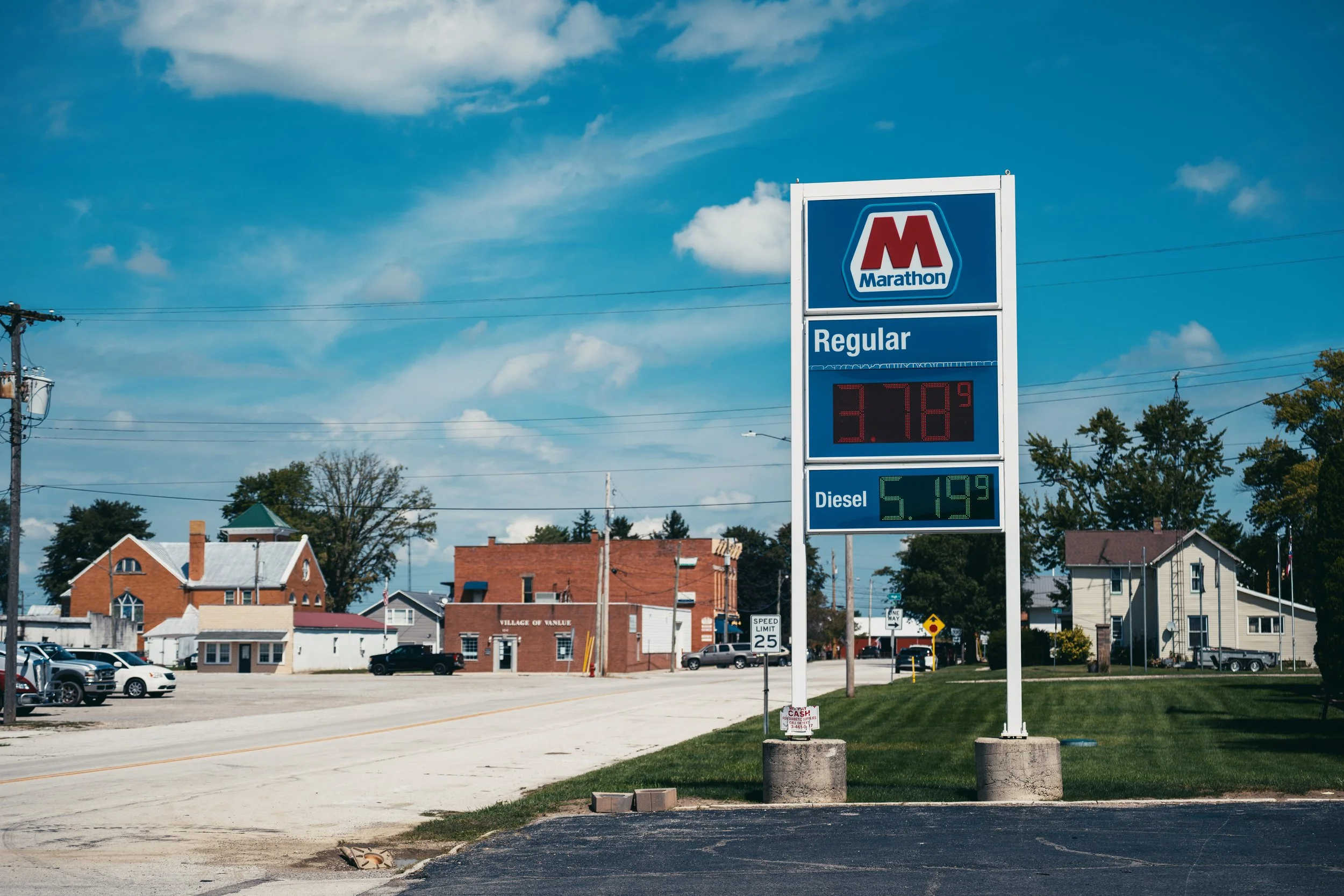
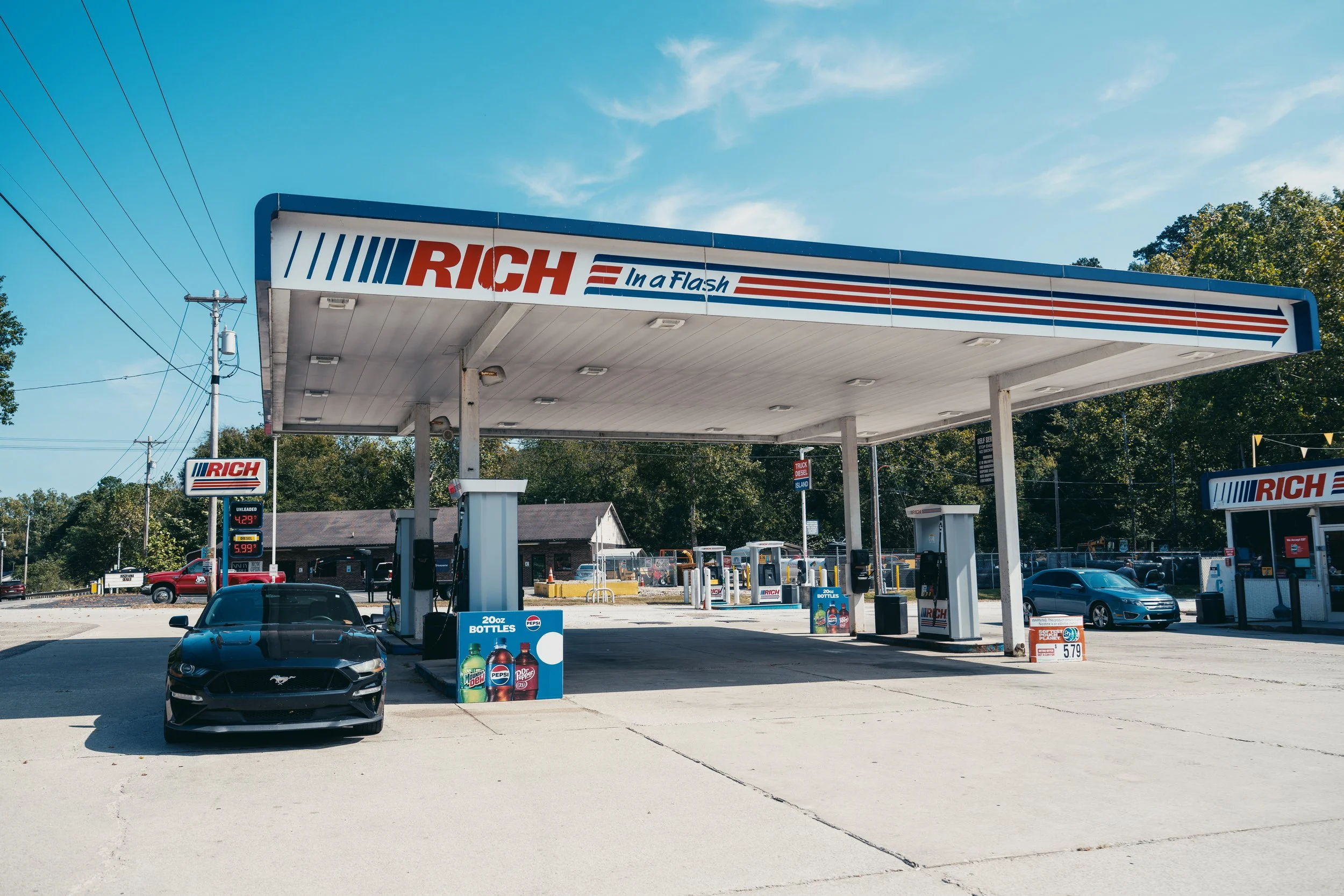
You may notice a lot of gas stations in my photos from this trip. That's on purpose. Whenever I stop for gas, I try to take a picture of the store and the price on the sign. Years later, when I look back through old photos, the gas station tells me how long ago it was: the price of a gallon, the look of the building, the logo on the sign. It's a way of time-stamping a memory. (Also, after the near-empty tank on the way up, I was paying very close attention to gas stations.)
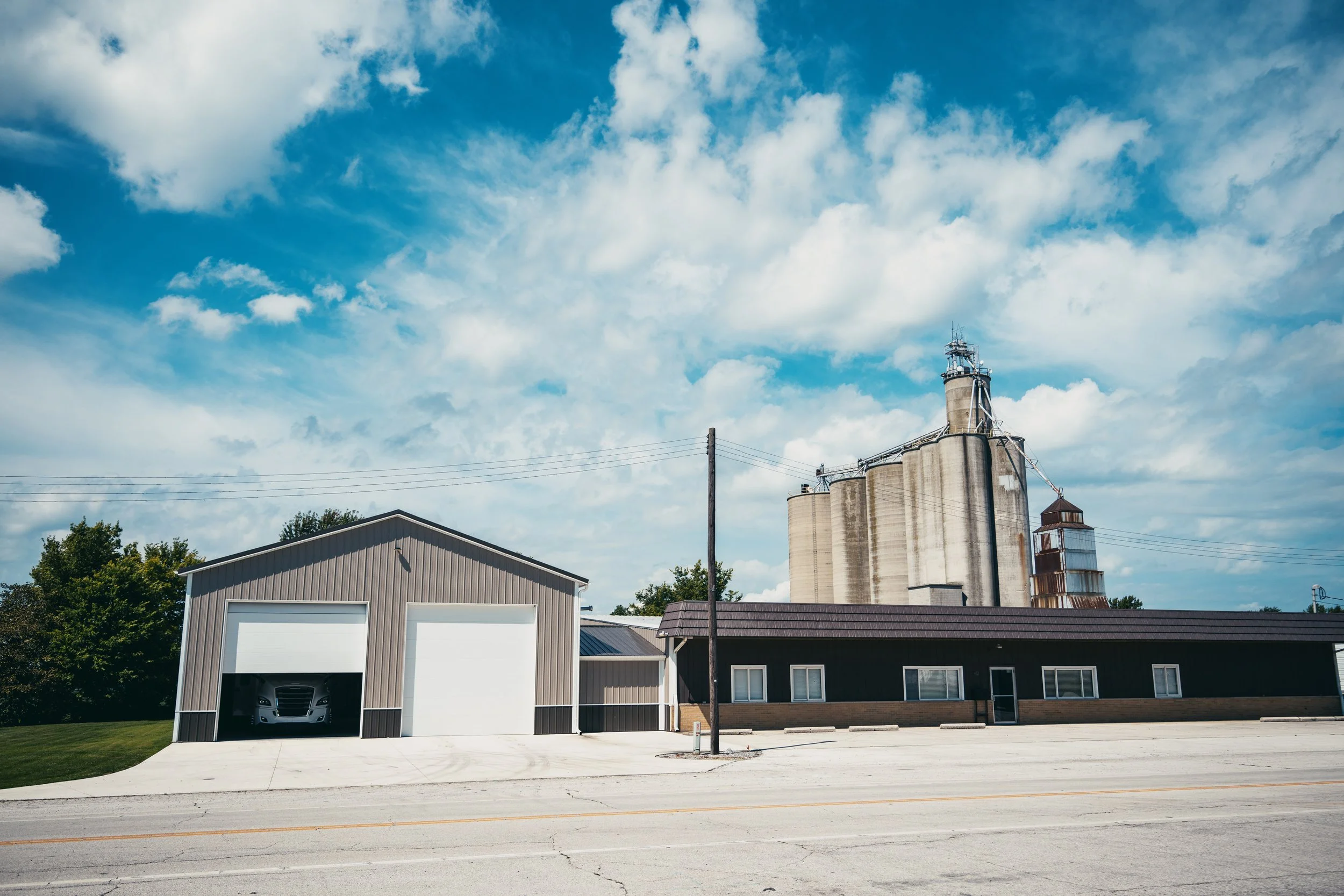
But gas stations also have personalities, and they tend to take on the personality of the places they live. The truck stop by the interstate is built for efficiency: get in, get out, get back on your way. The little country store sells gas, hot dogs, and crickets. And the gas station on Main Street in a small town is where you can catch up on the last six months of gossip in the time it takes to fill your tank. A gas station tells the story of a community, because everyone in the community eventually has to go there.
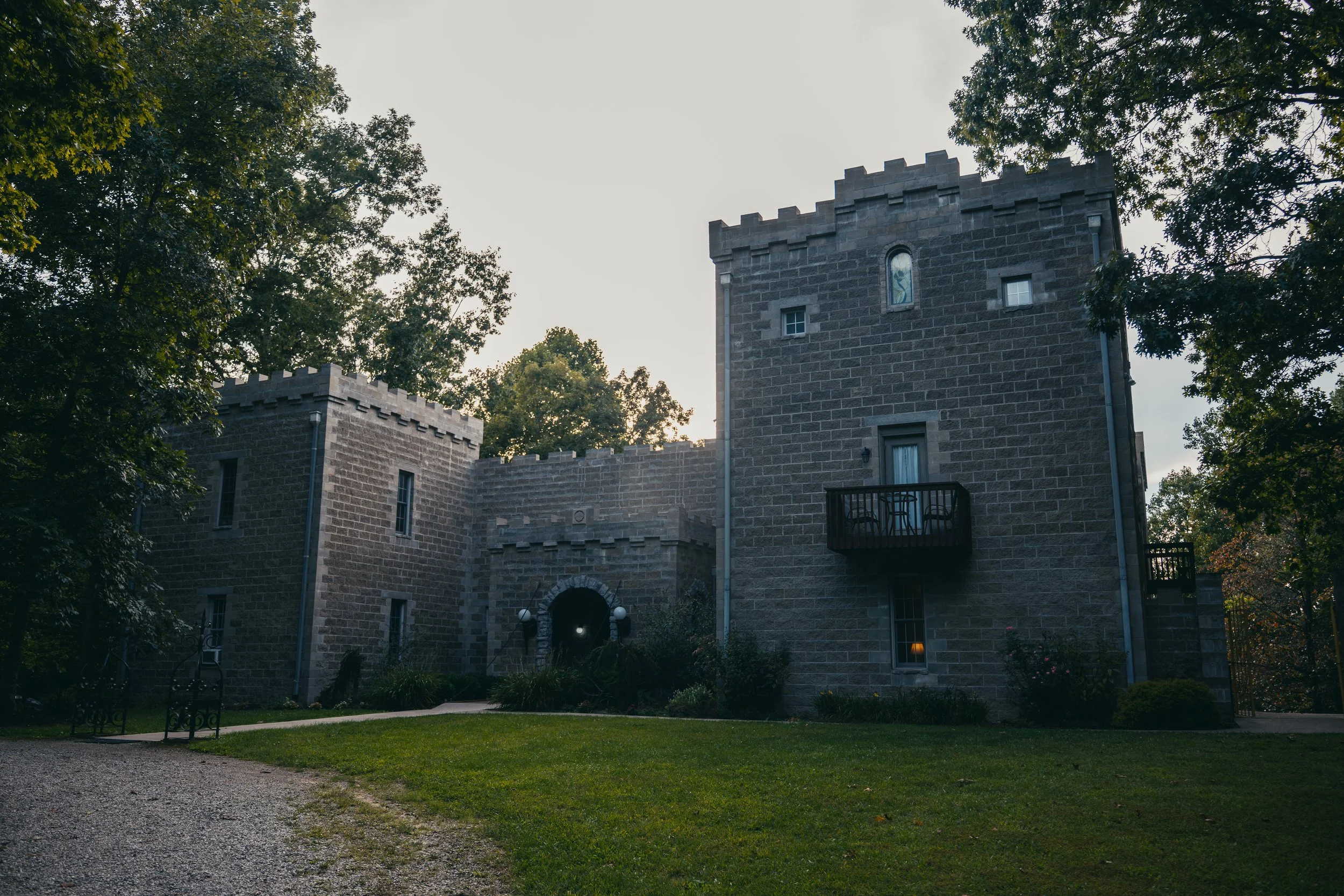
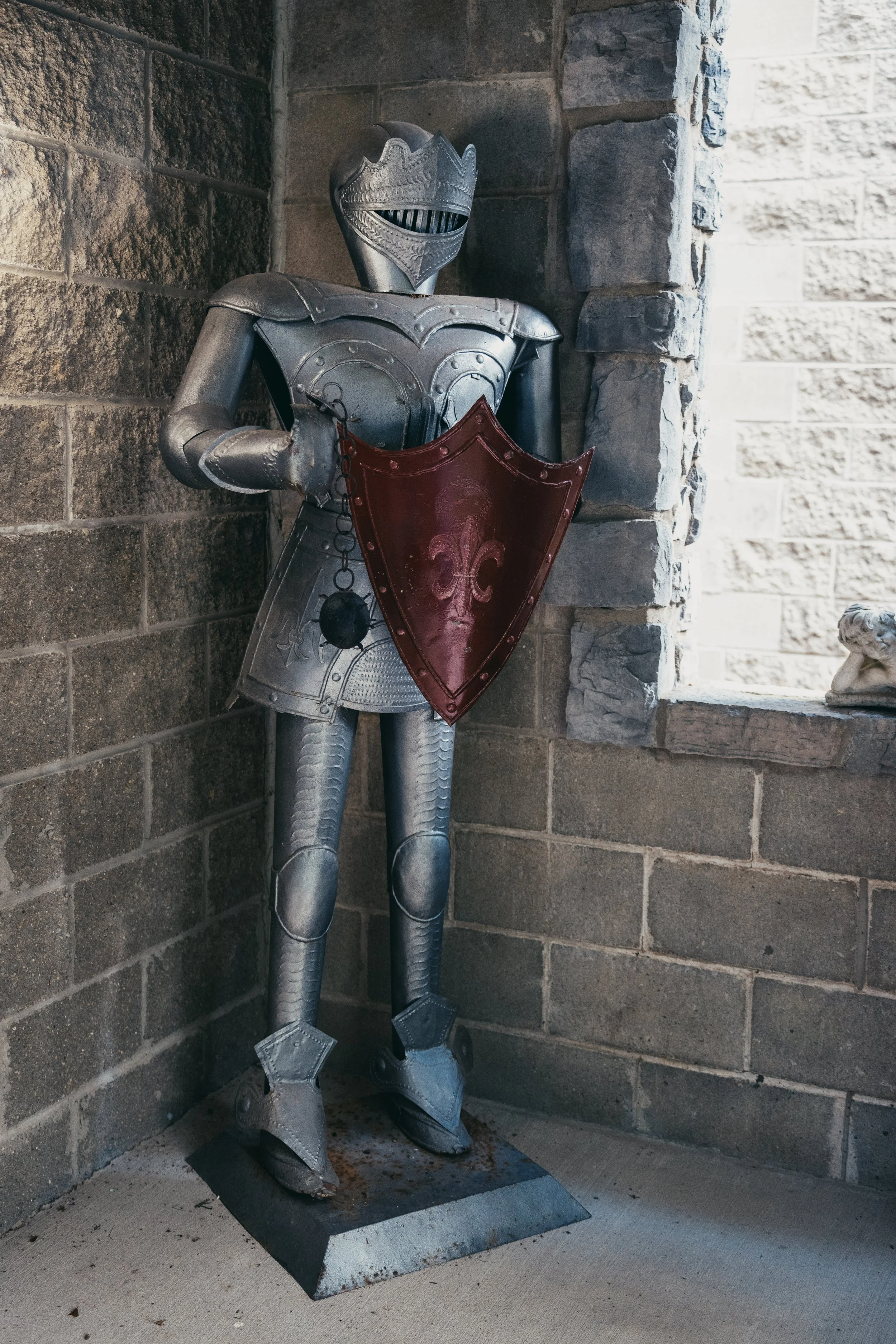
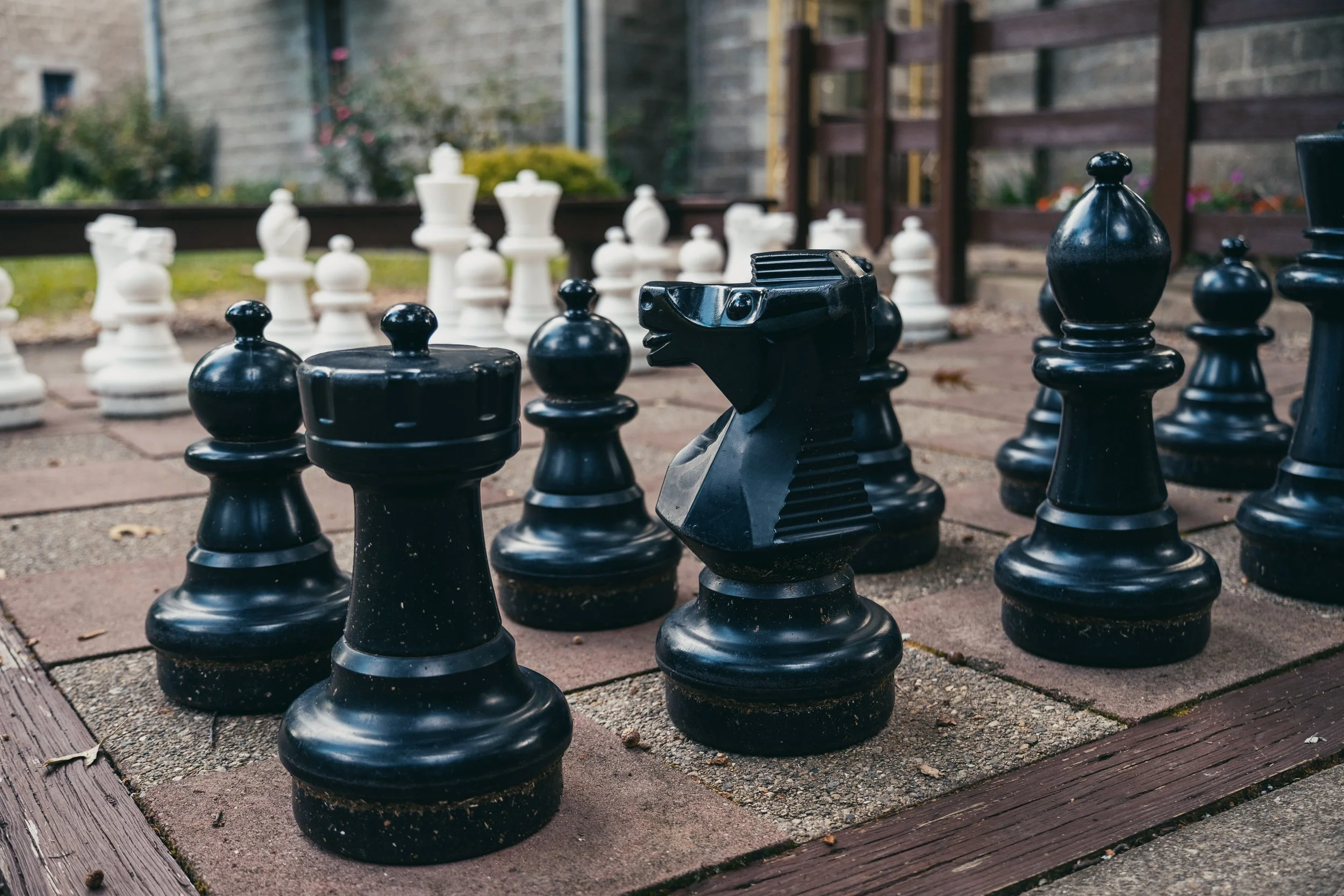
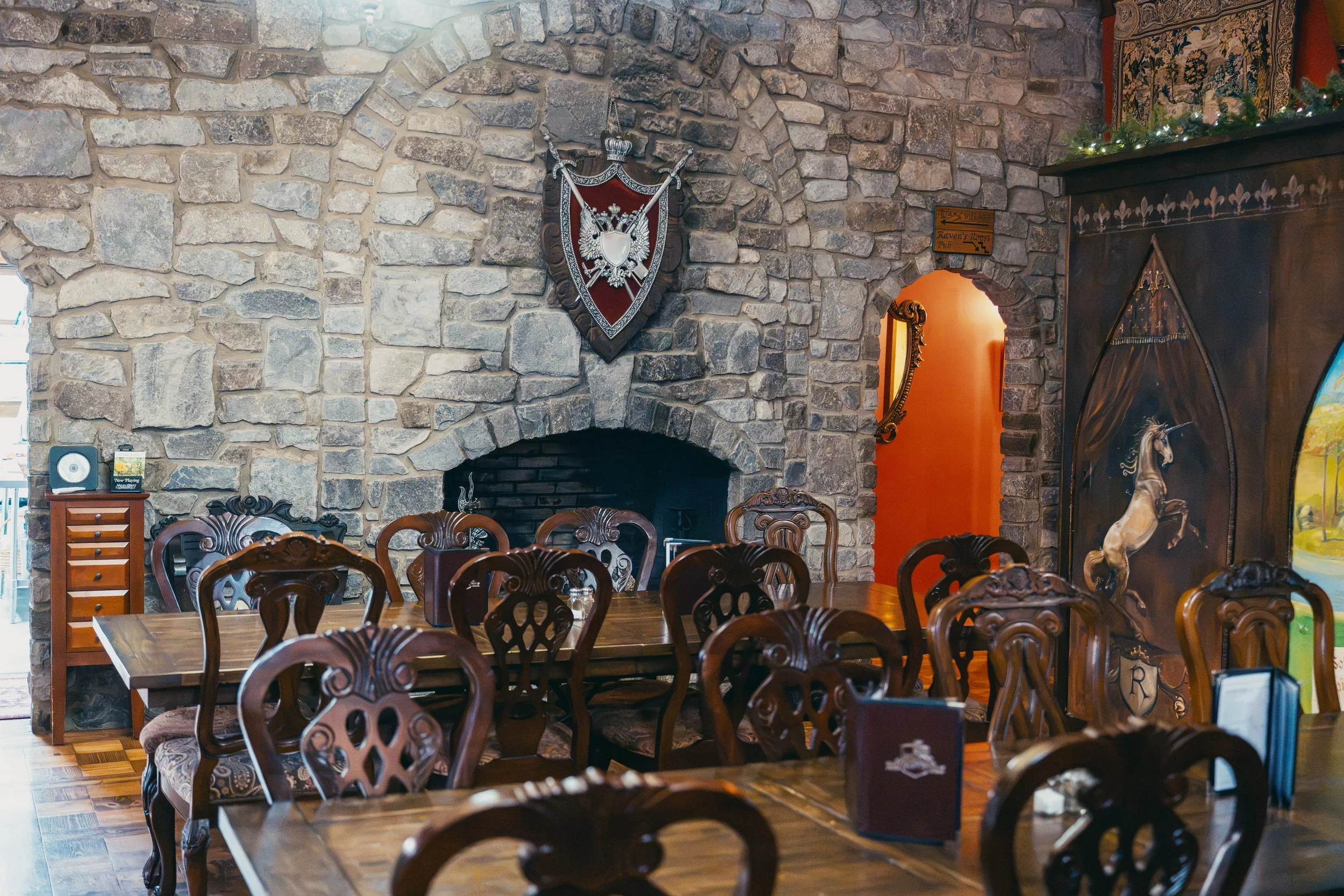
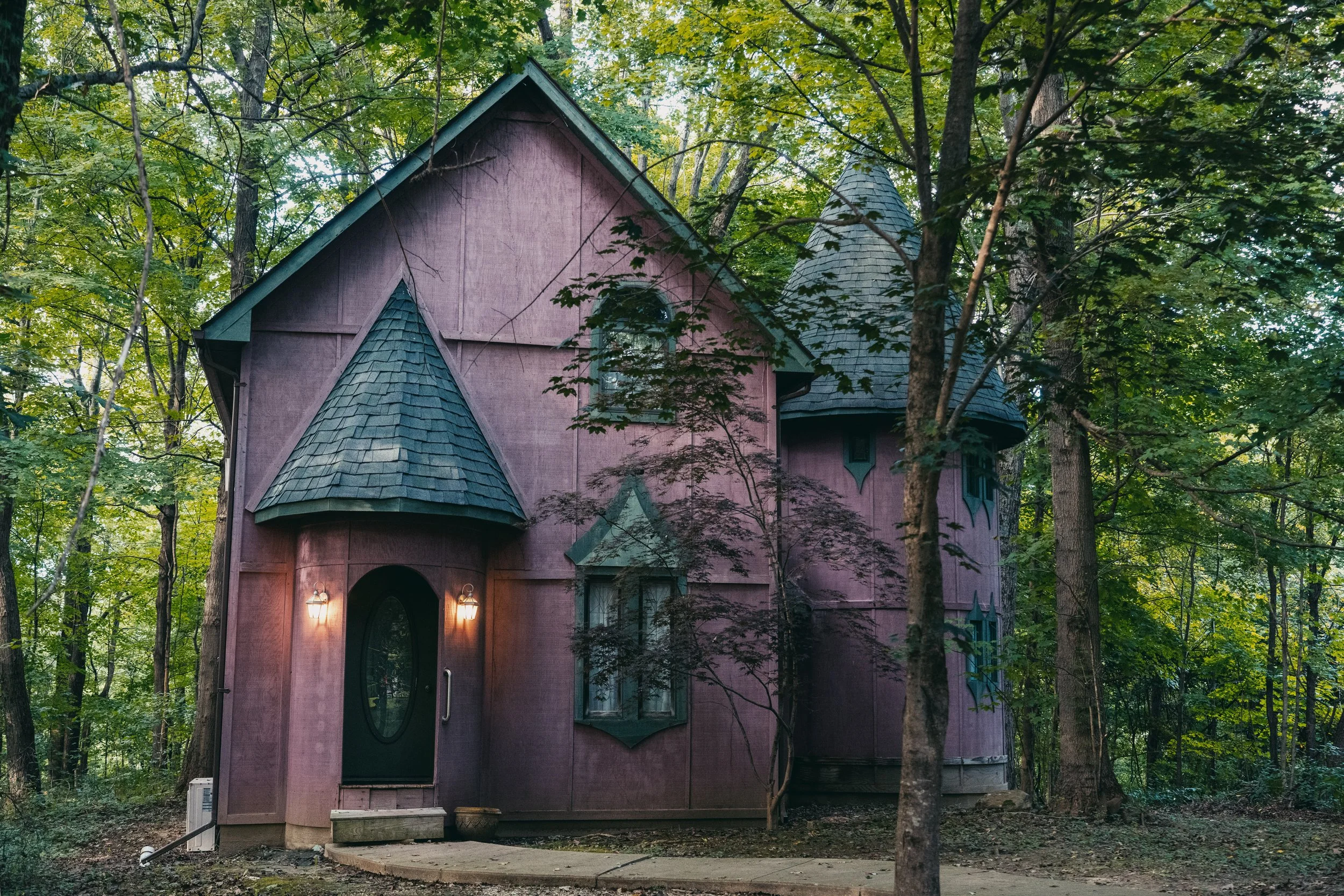
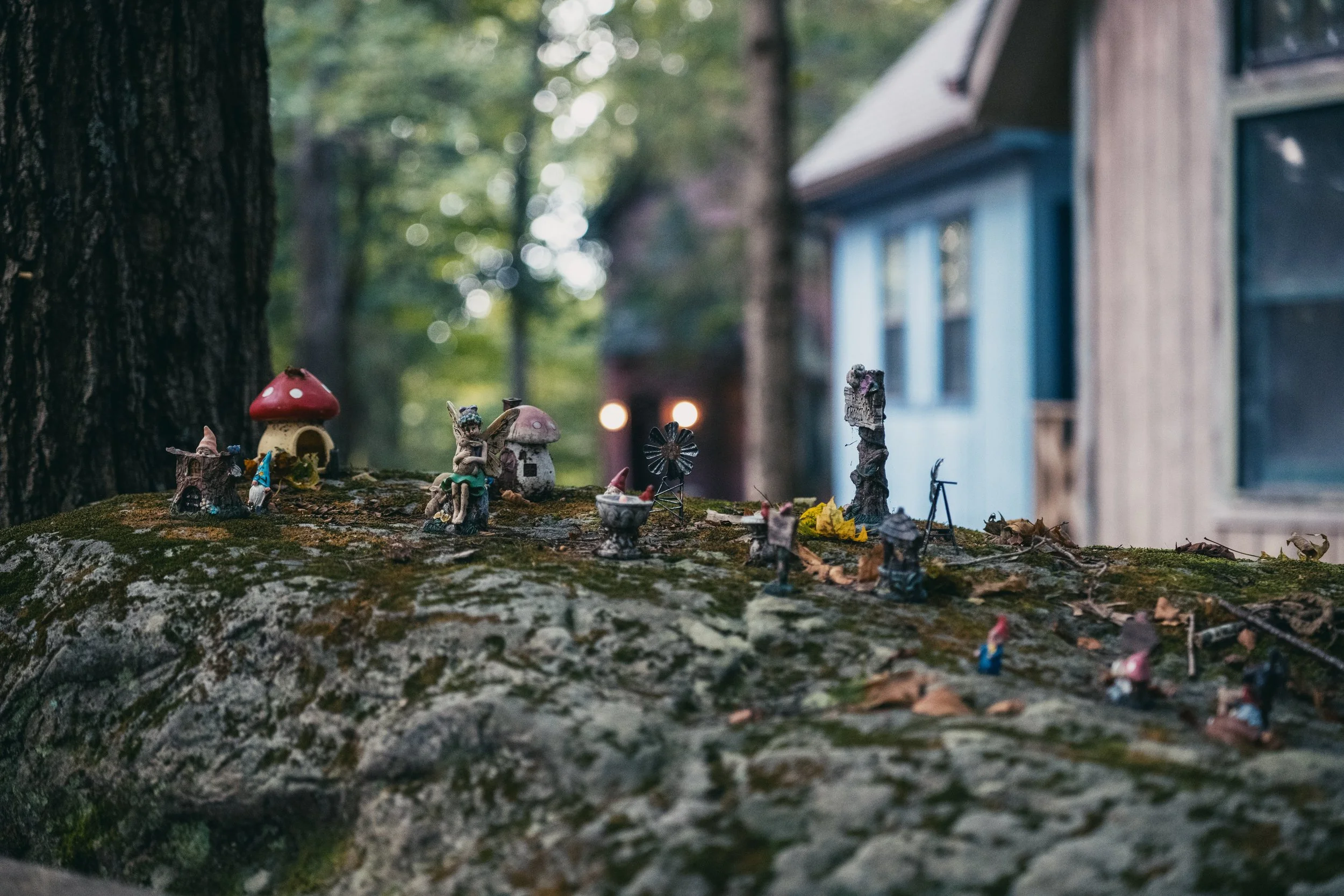
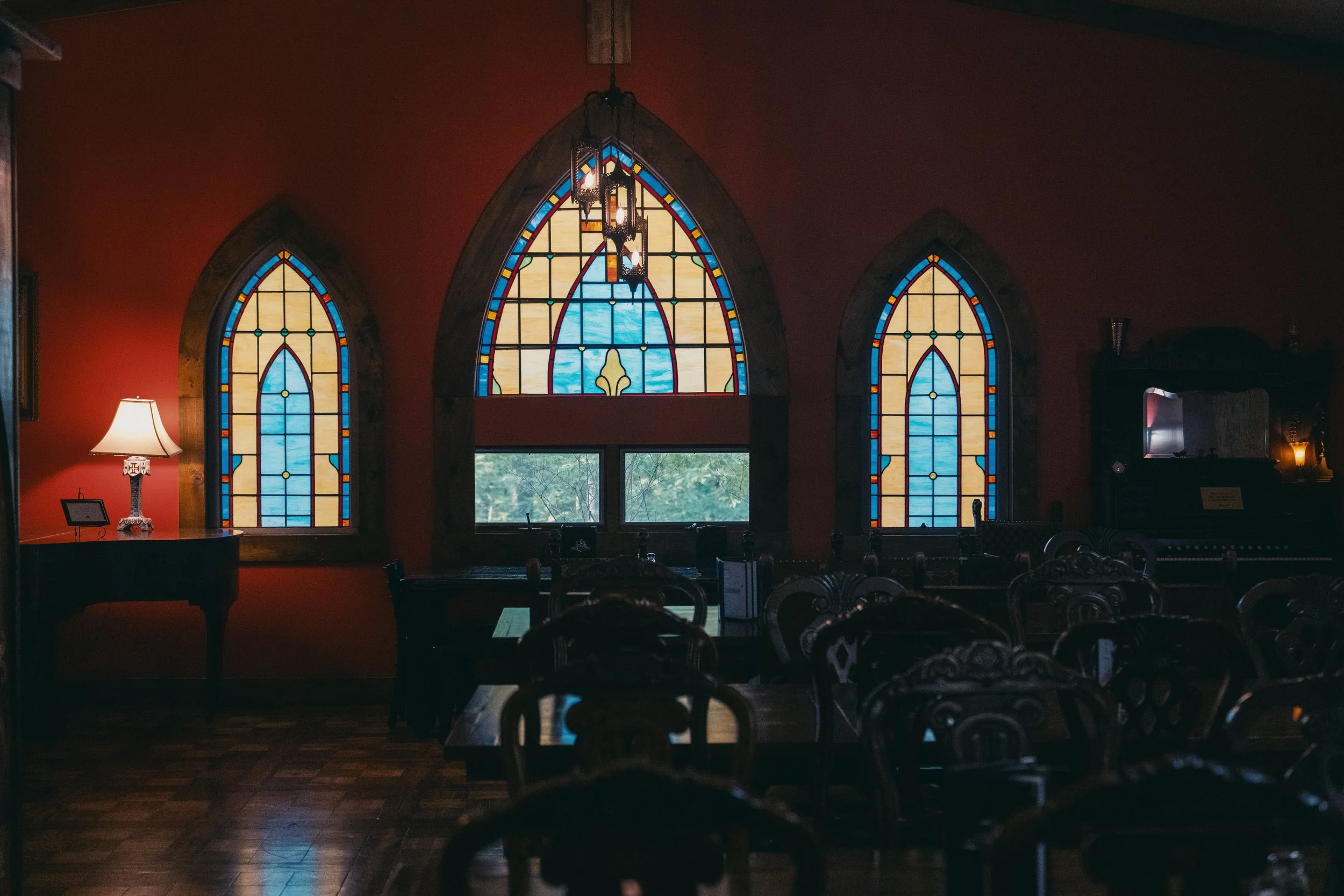
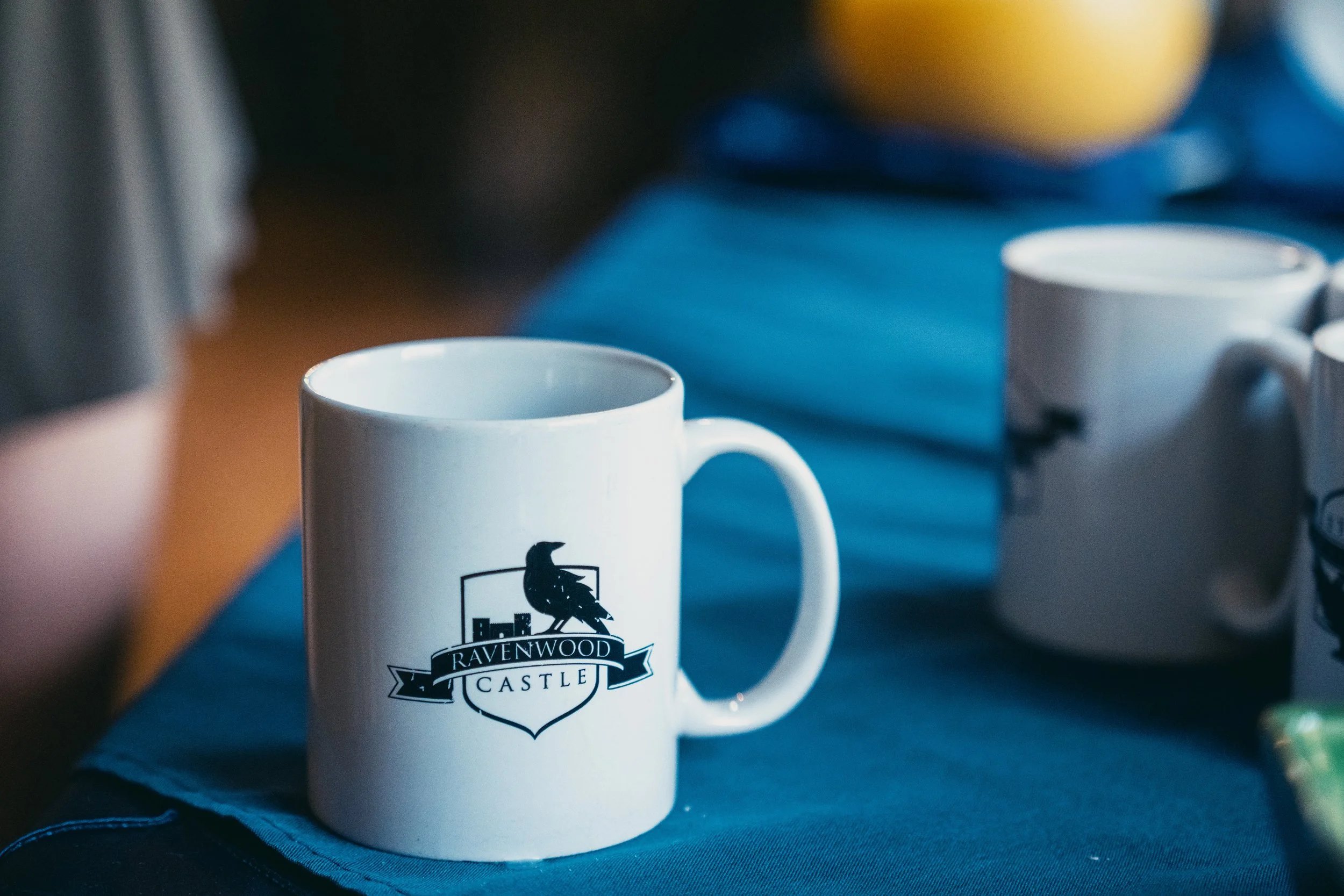
Our first day of driving took us from Wolverine down to Ravenwood Castle in the Hocking Hills of southern Ohio, where we stayed in the Spinster's Cottage. I should explain that Ravenwood is, in fact, a castle: stone walls, battlements, a great hall with a coat of arms over the fireplace, and a suit of armor standing in a corner as if it had been expecting us. Around it is a little village of storybook cottages in the woods, with fairy gardens tucked into the mossy rocks and a giant chess set waiting for someone to make the first move.
The cottage was perfect. There was a huge tub, and Elizabeth and I soaked in it until the last of the road had left us, and then we curled up in the canopy bed and faded off to sleep together.
I'm aware that a castle in rural Ohio is a slightly absurd thing for the world to contain. But I've come to believe that slightly absurd things are some of the best things we make (see photo of Dylan). Somebody looked at a wooded hillside in southern Ohio and thought, what this place needs is a castle. And then they built one. I find that deeply hopeful.
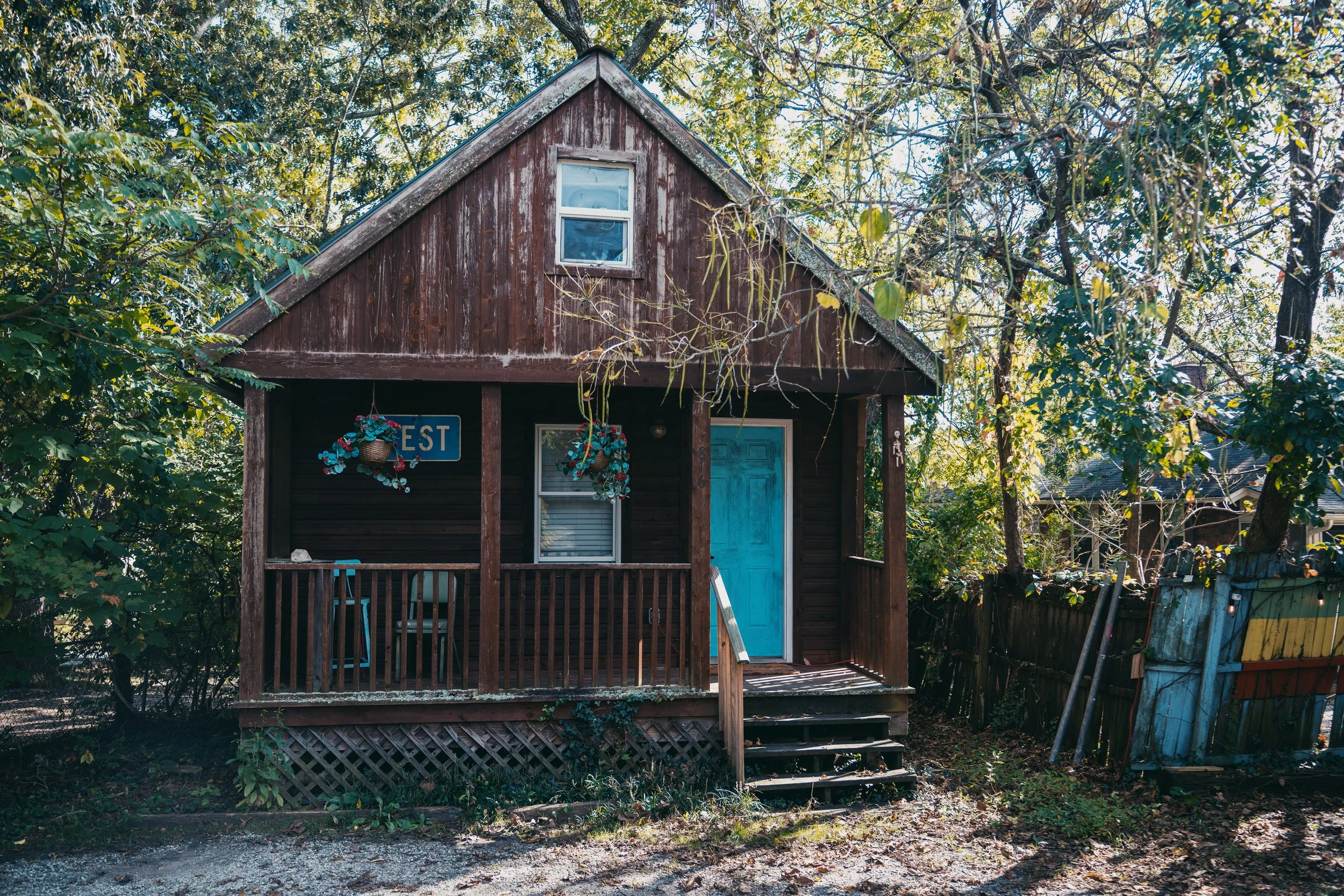
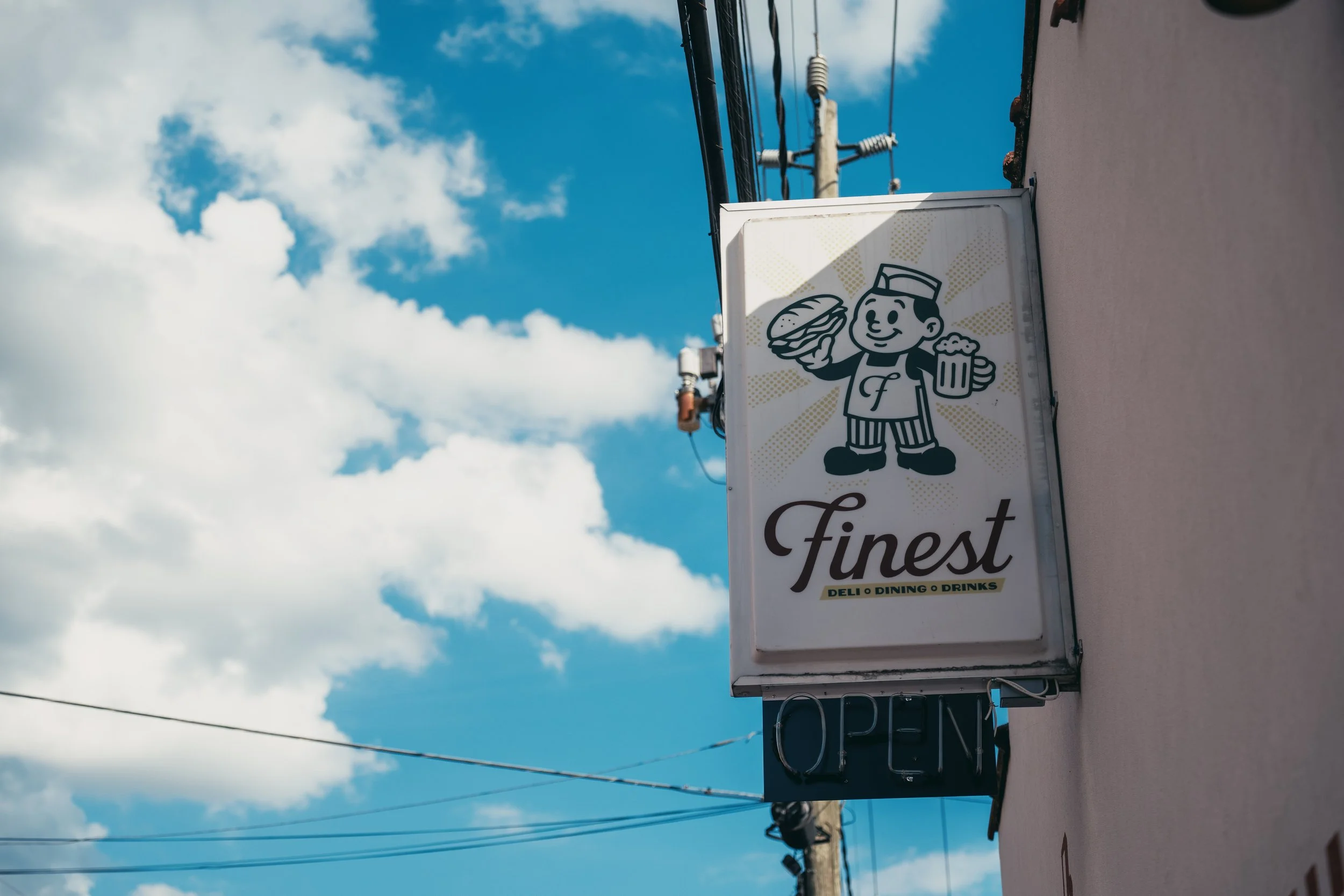
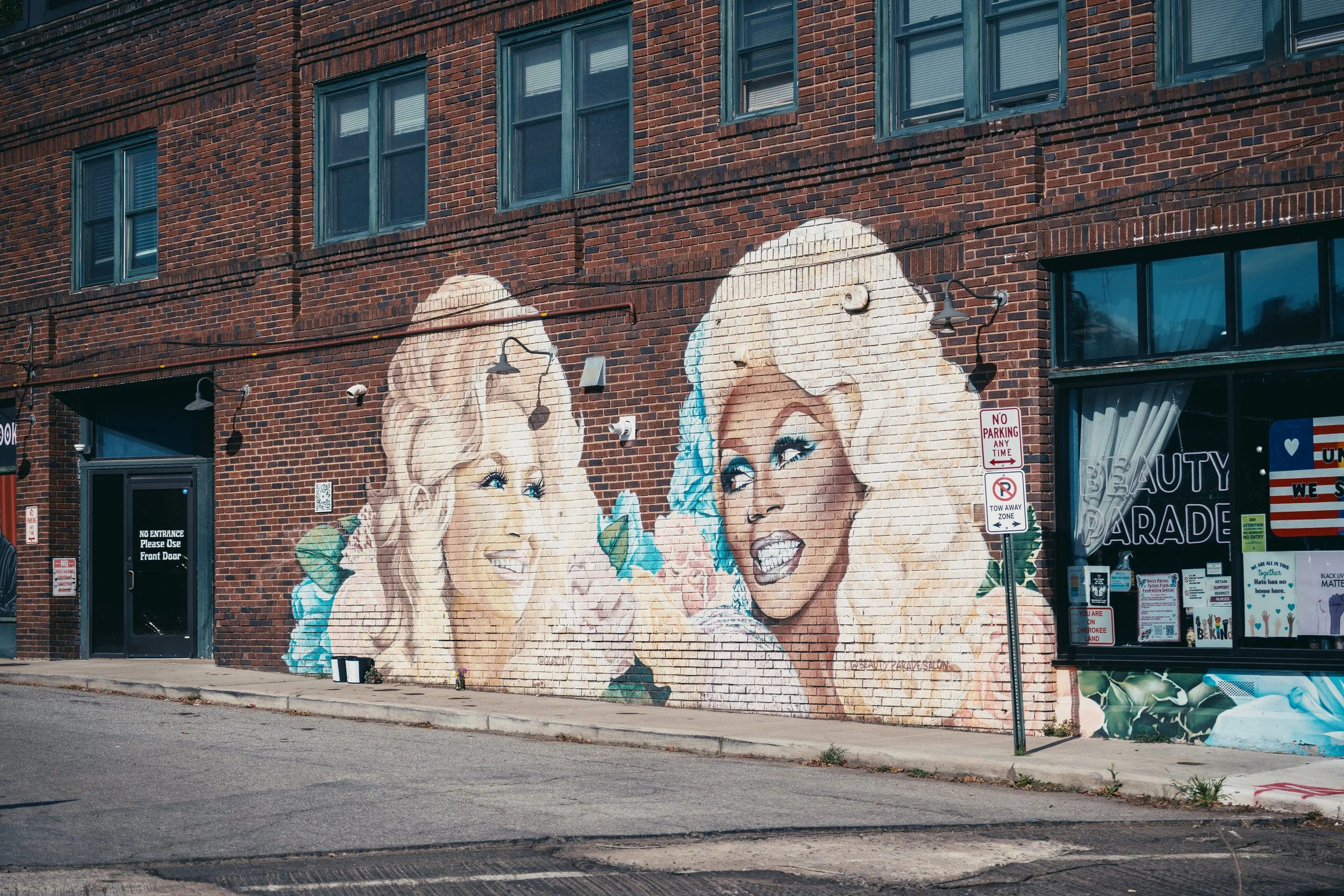
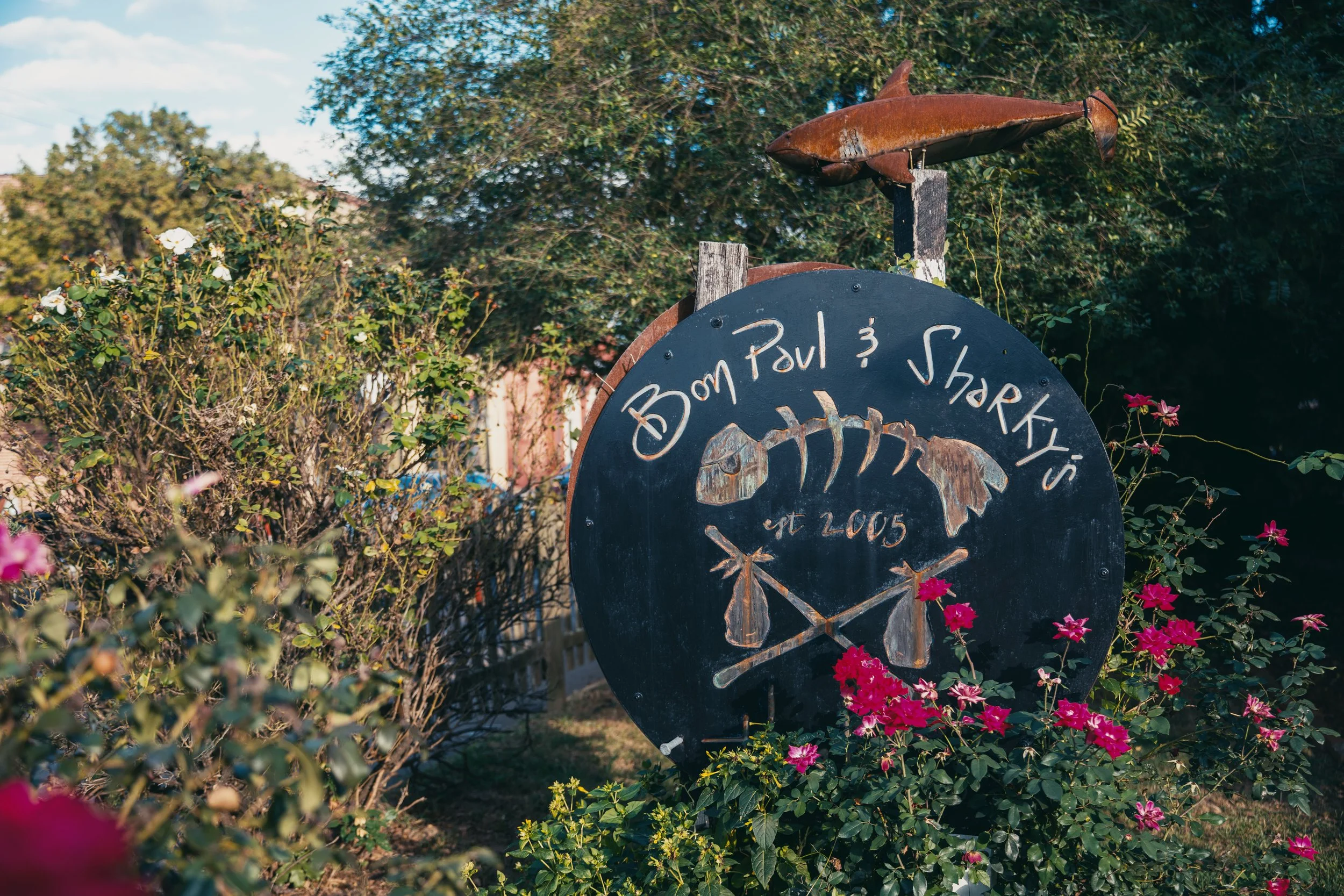
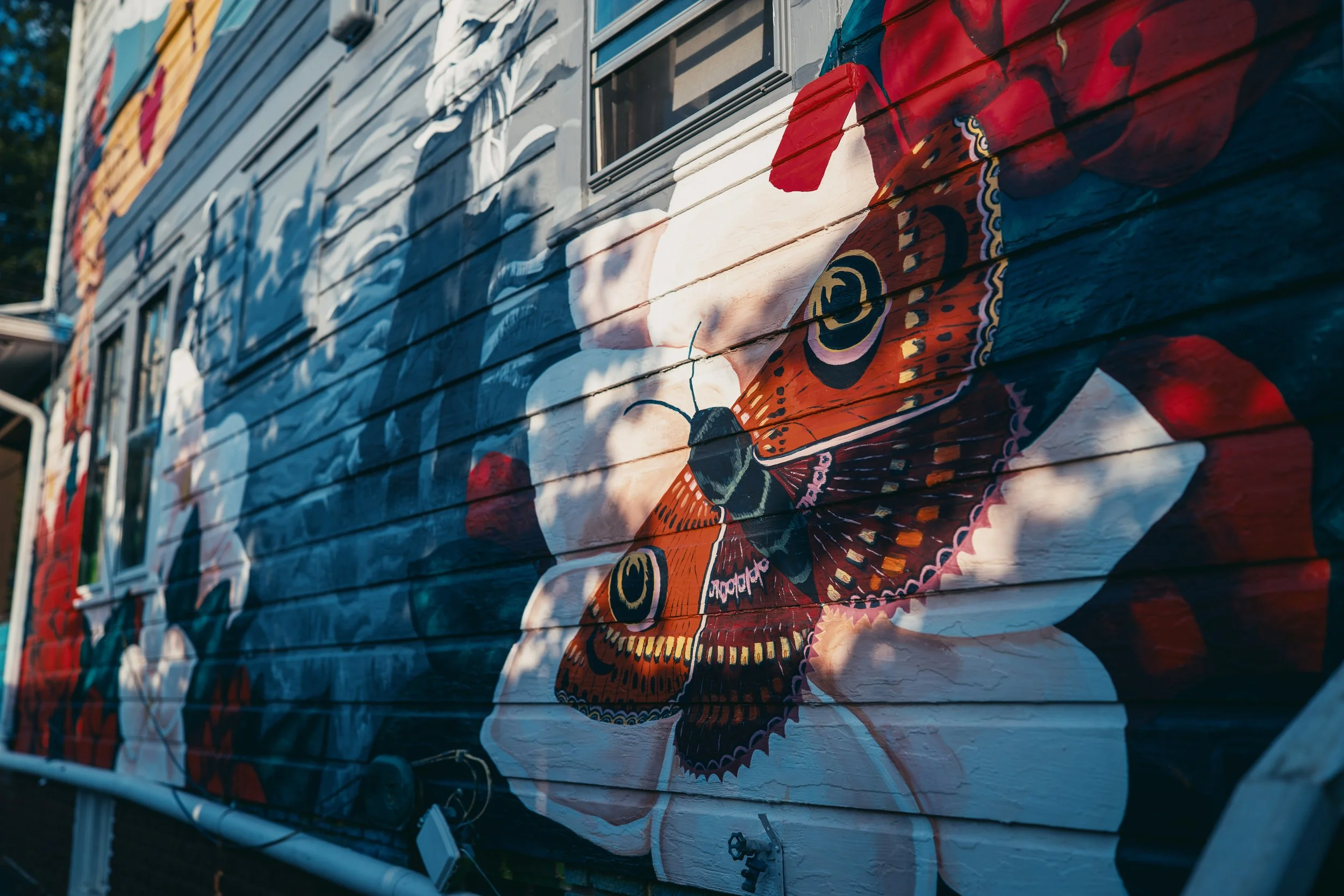
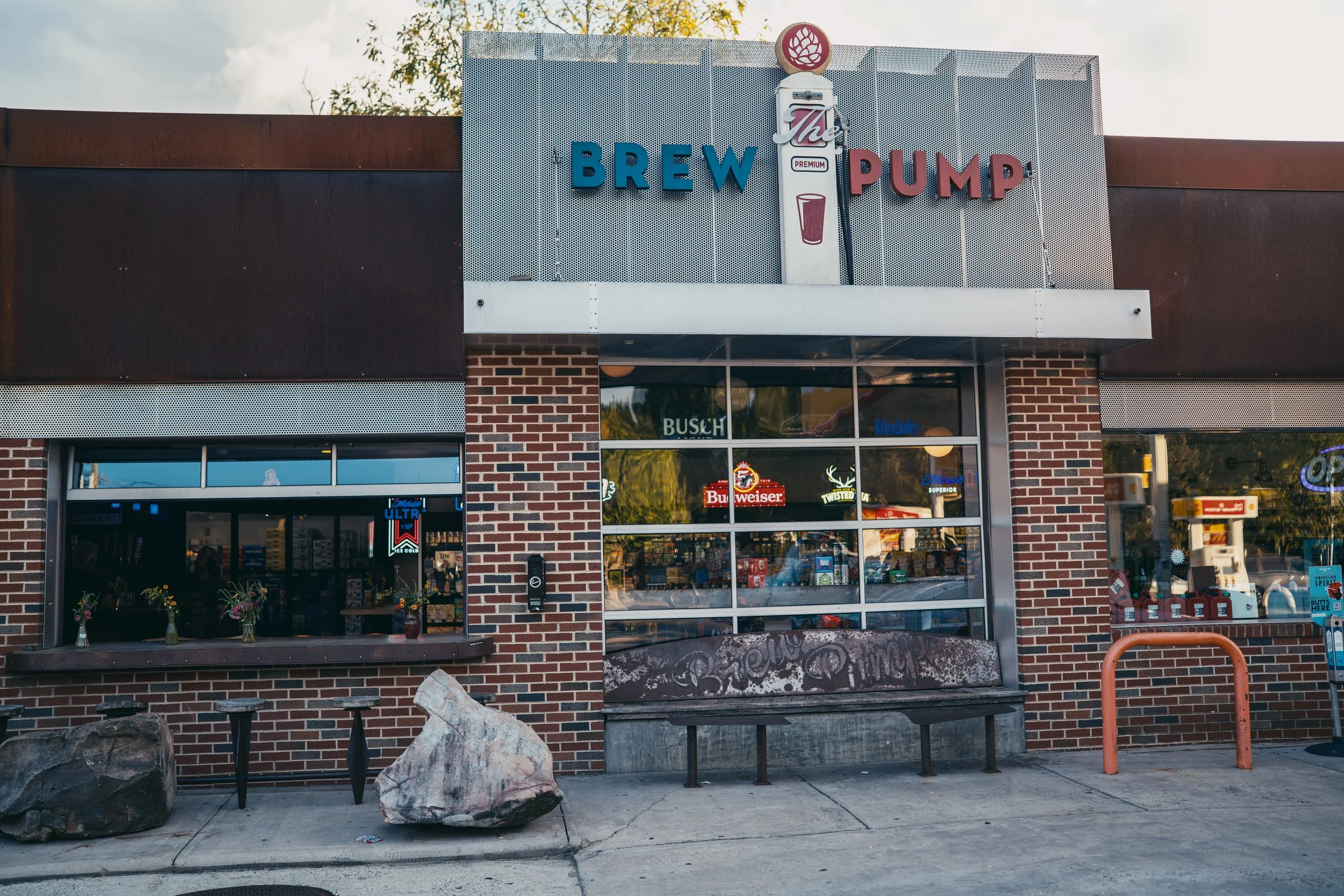
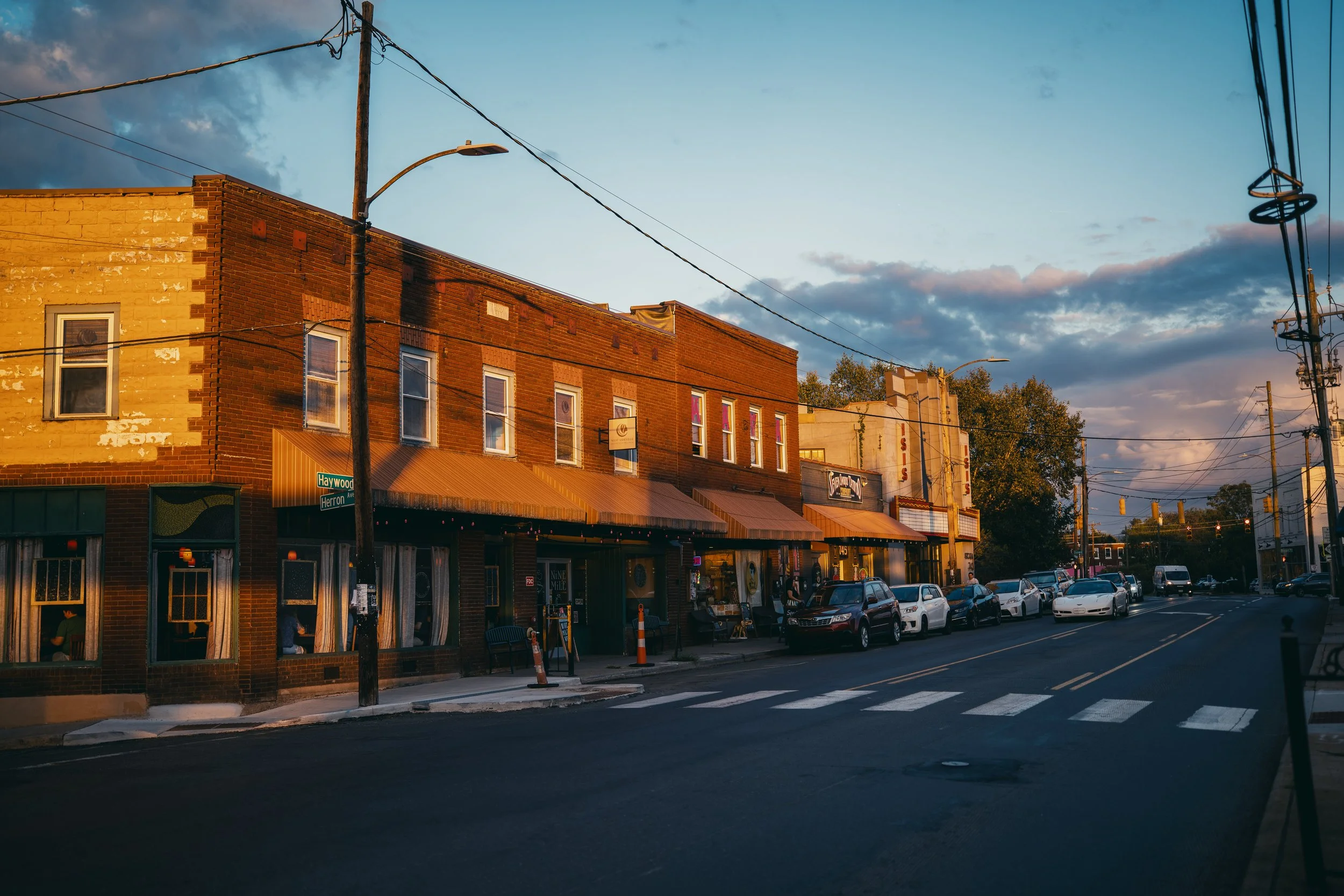
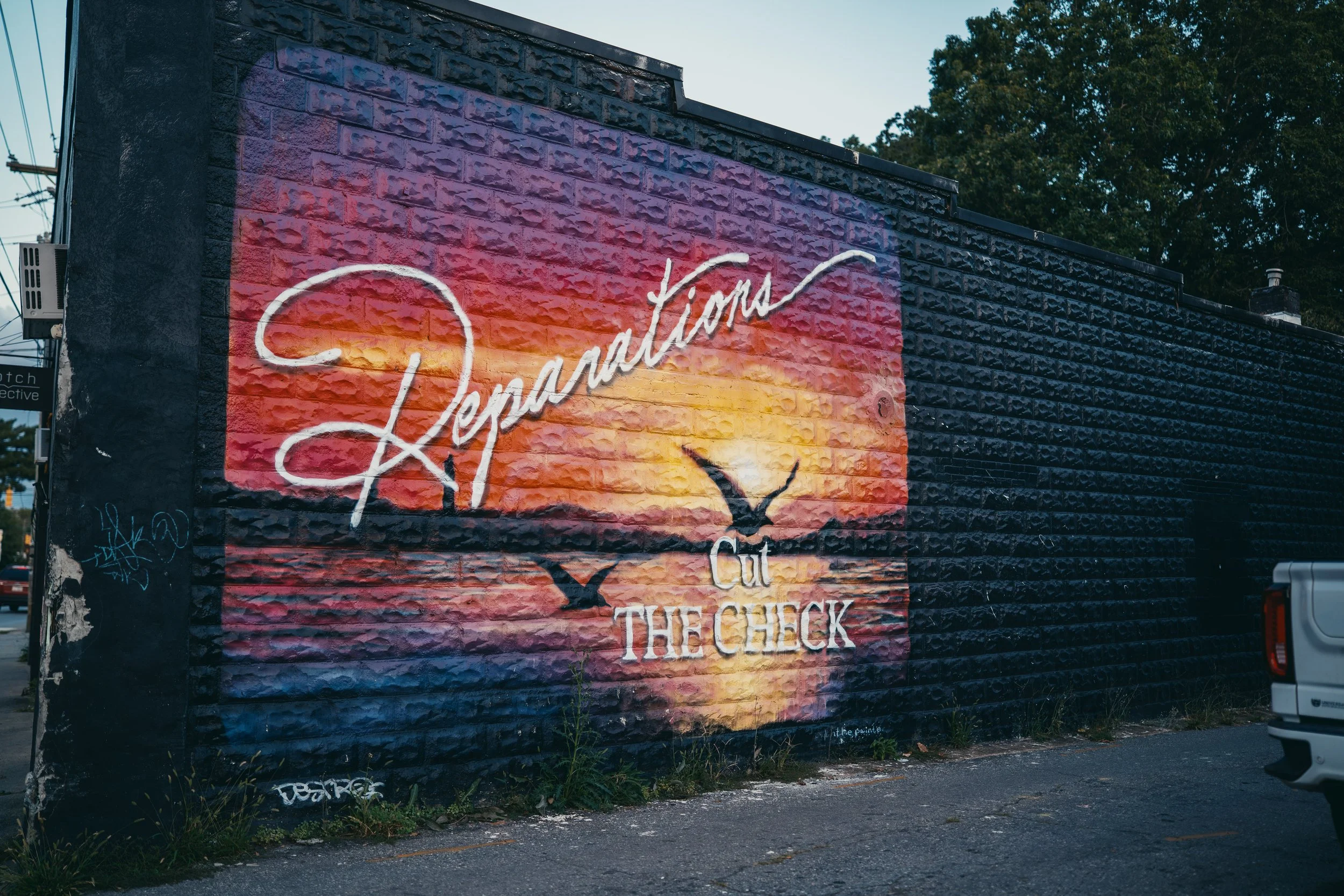
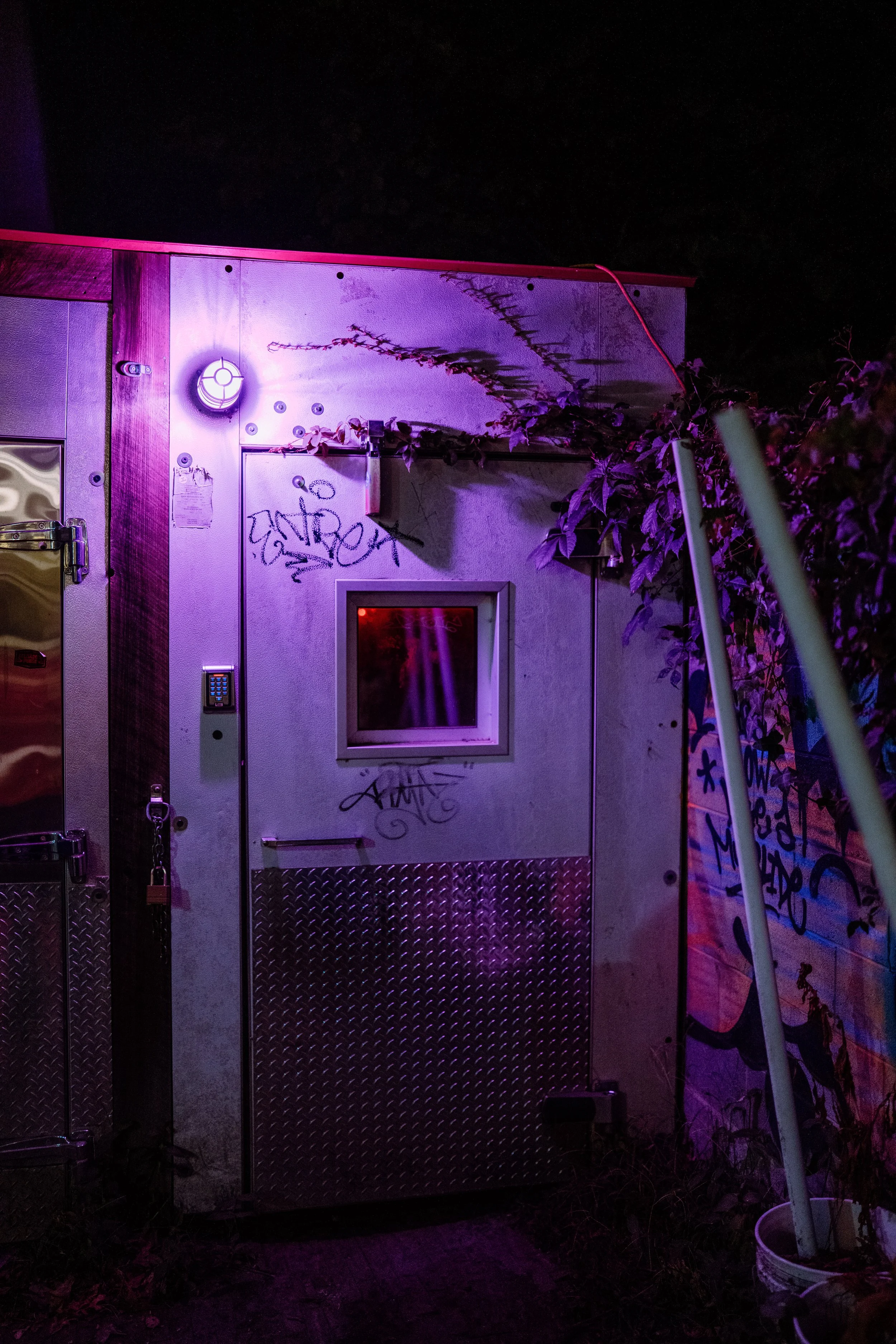
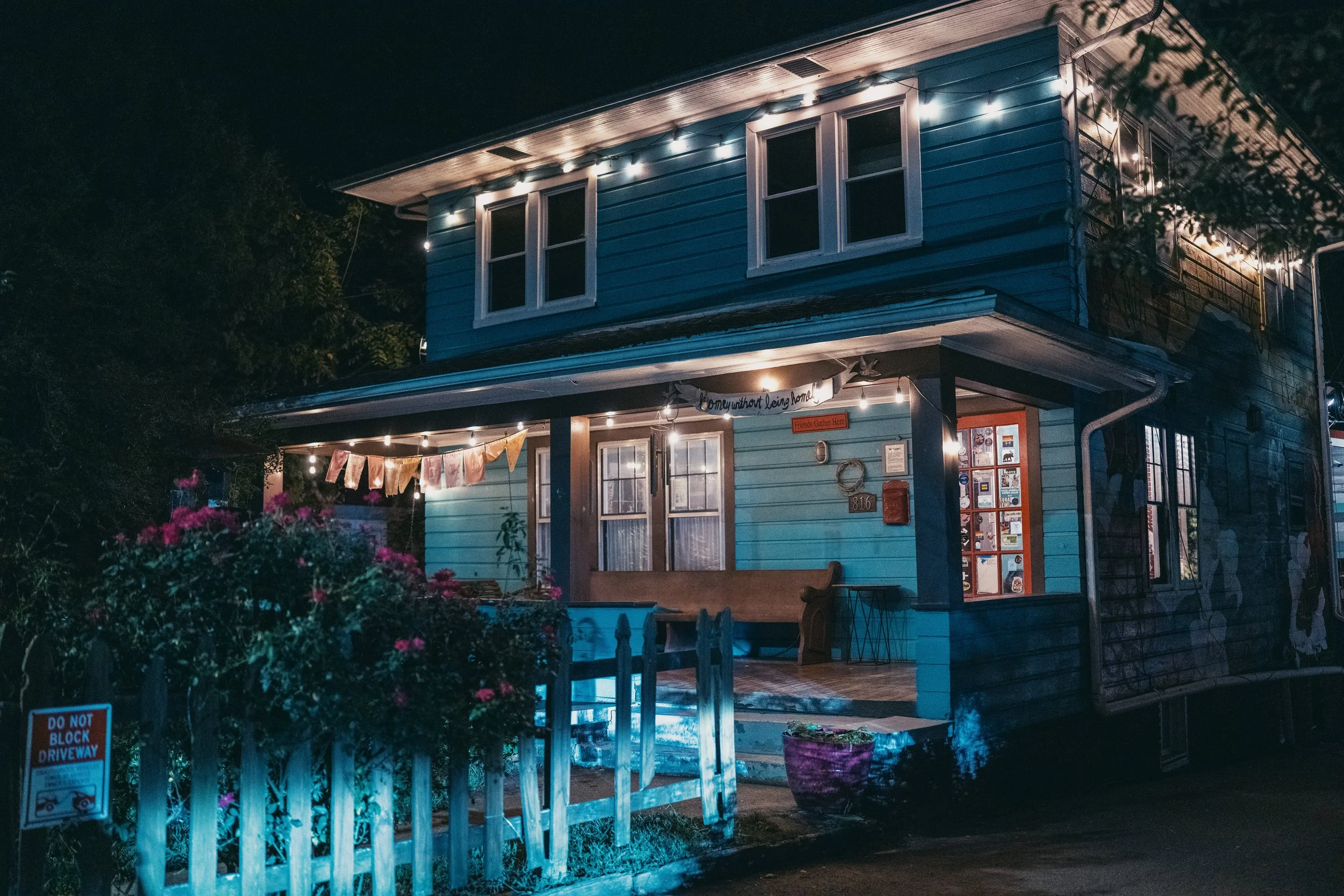
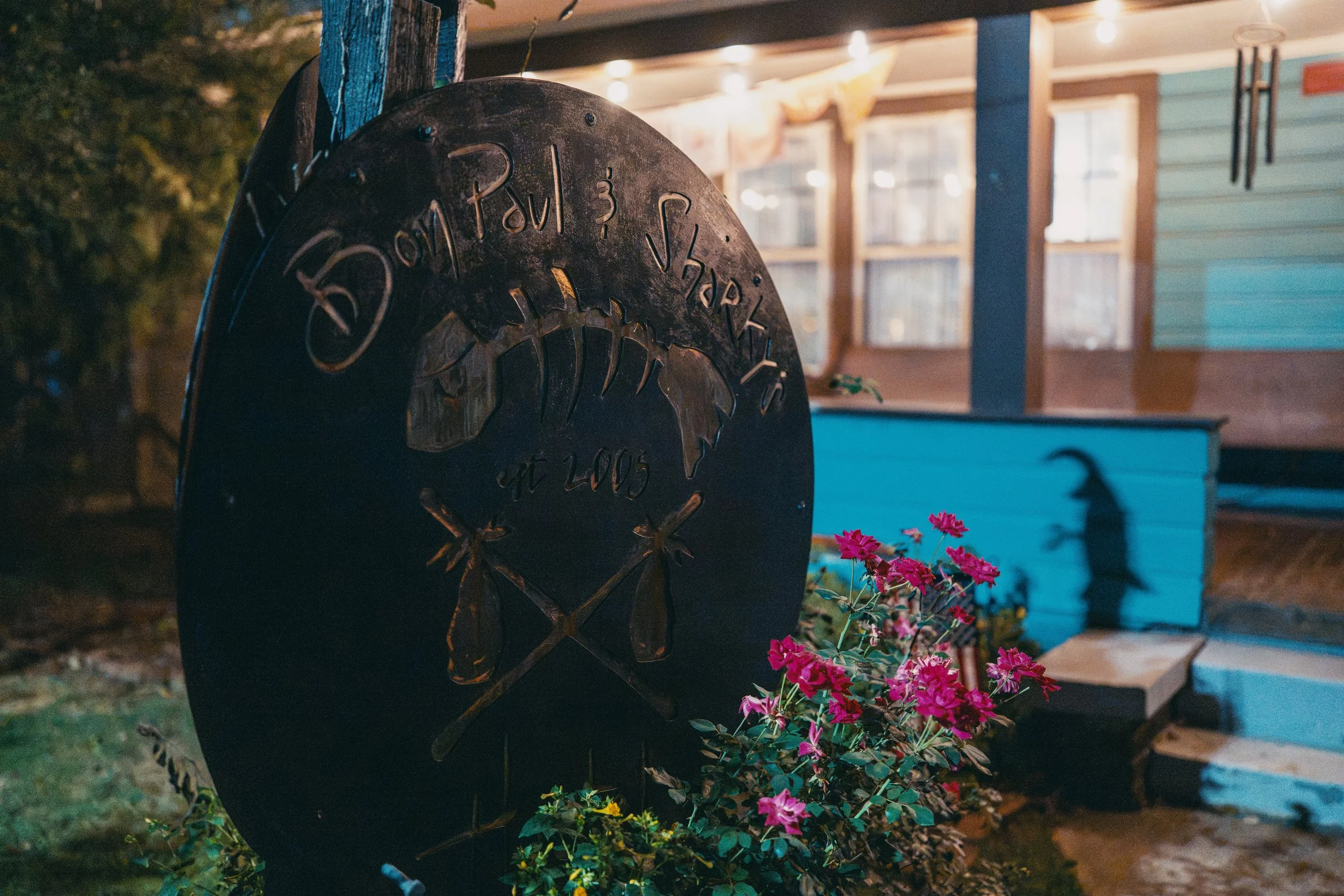
The last day of the trip took us to Asheville, North Carolina, tucked into the Blue Ridge Mountains. Asheville has had a hard couple of years since Hurricane Helene tore through western North Carolina in 2024, but the city we found was bright and stubborn and weird in all the best ways: murals on the brick walls, porches strung with lights, a bar with a vintage gas pump on its sign (yes, I photographed it), and a vintage shop that was also a bar that was also a rock-and-roll wedding chapel, which may be the most Asheville sentence I will ever write.
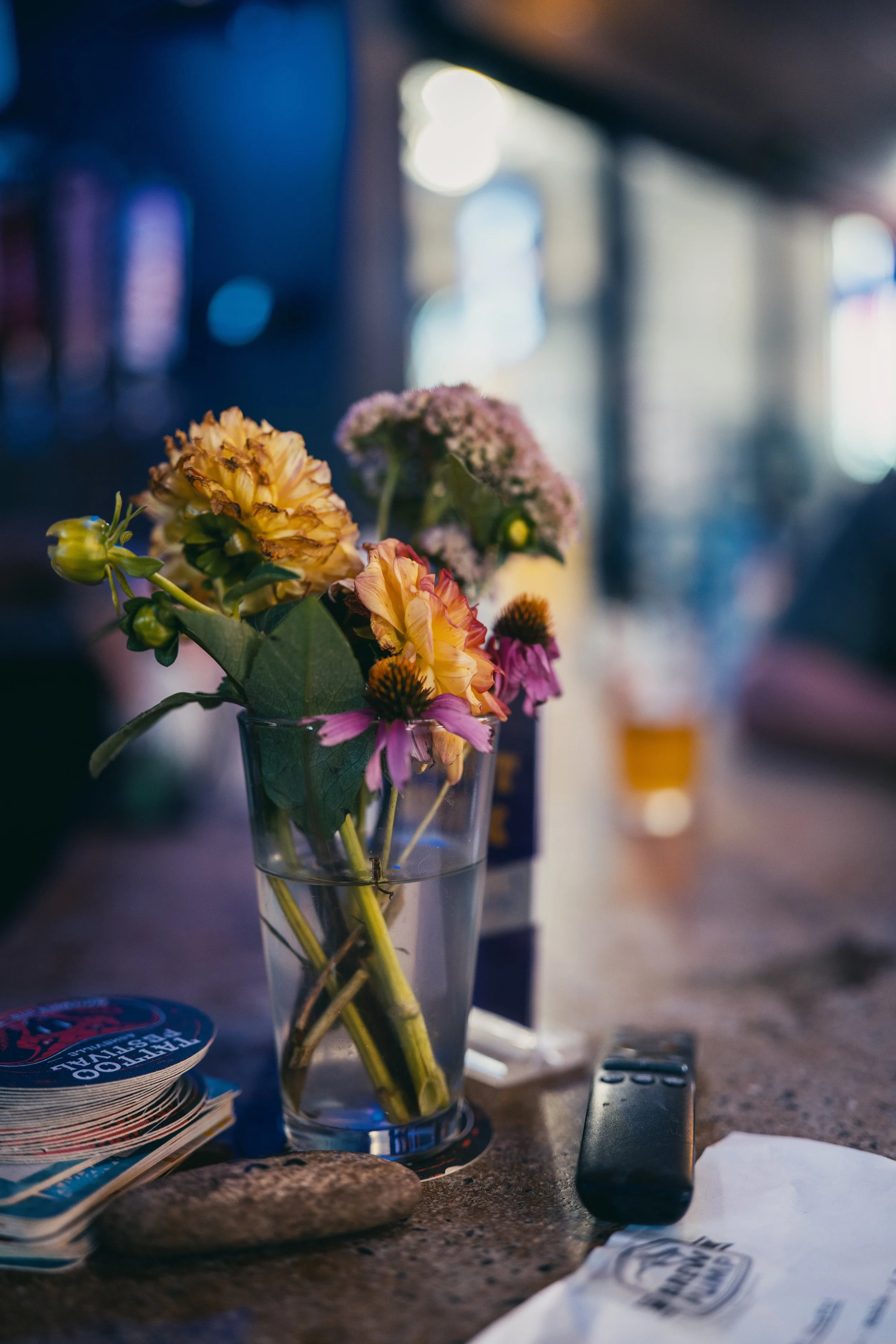
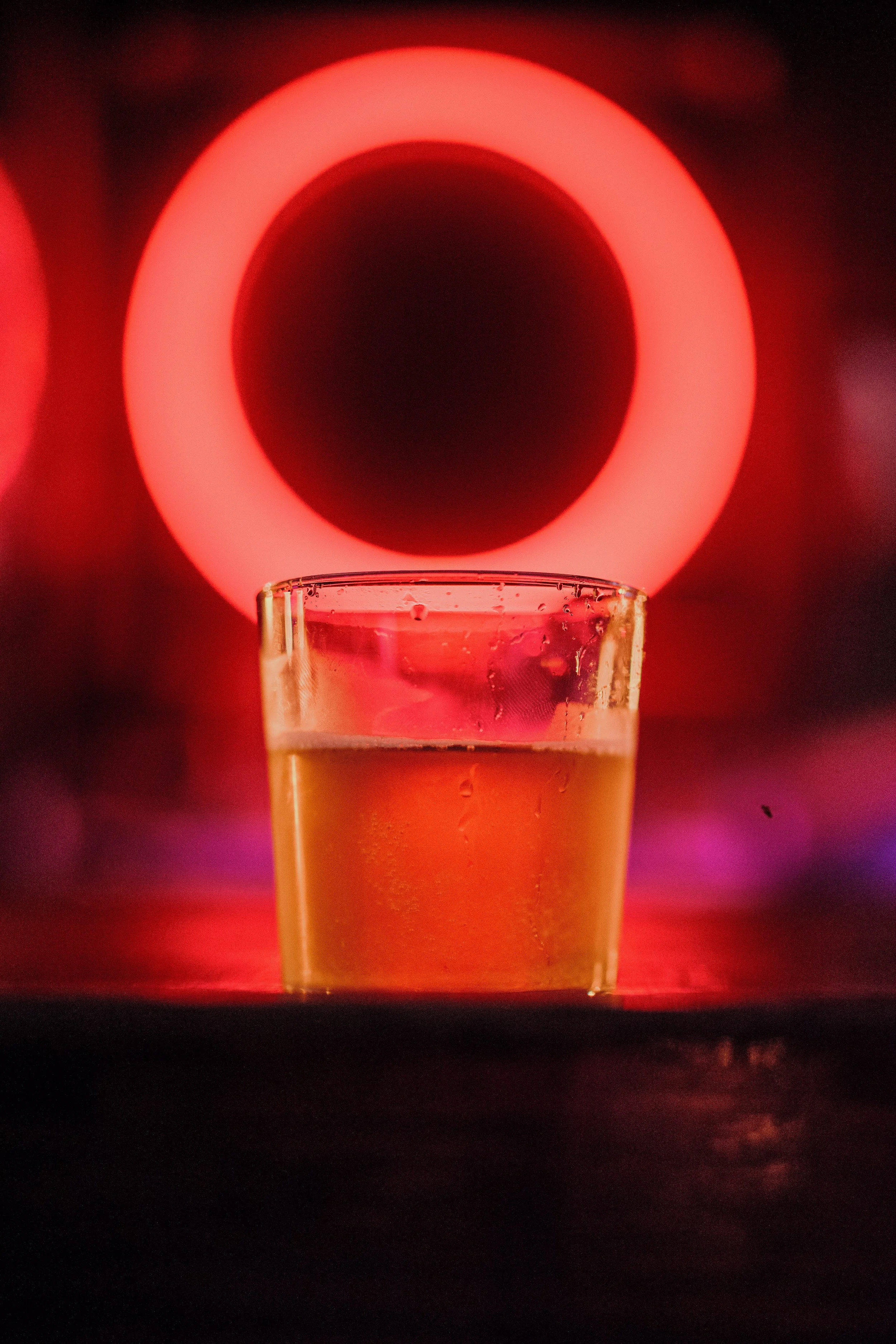
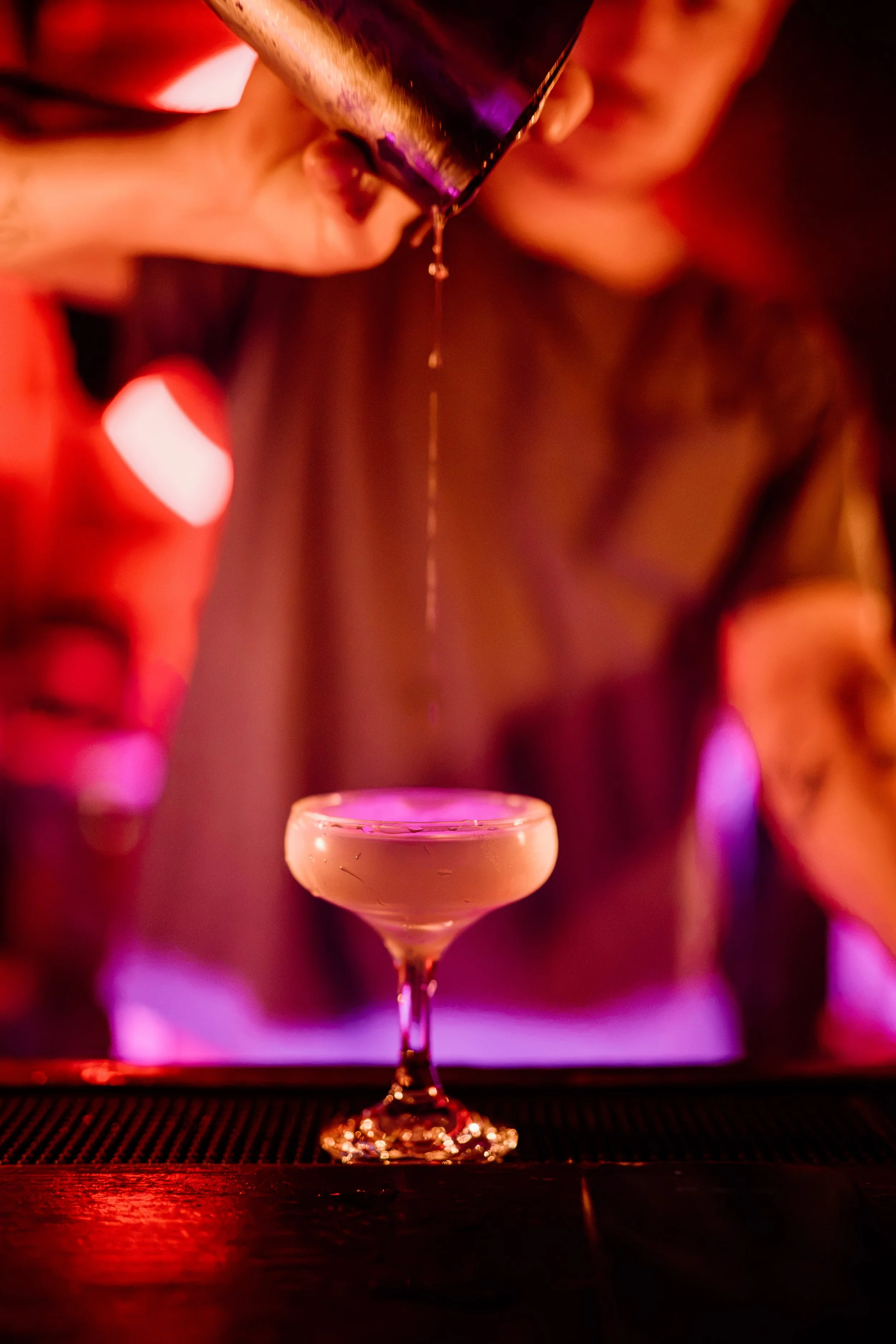
We went out for a night on the town and eventually found our way through an unassuming door into a cute little speakeasy, all red neon and low light, where the bartender made each drink with the kind of care usually reserved for surgery or calligraphy. We had cool conversations and even cooler drinks. And I remember thinking that a good bar, like a good campfire, is mostly an excuse to sit close to people you like and talk.
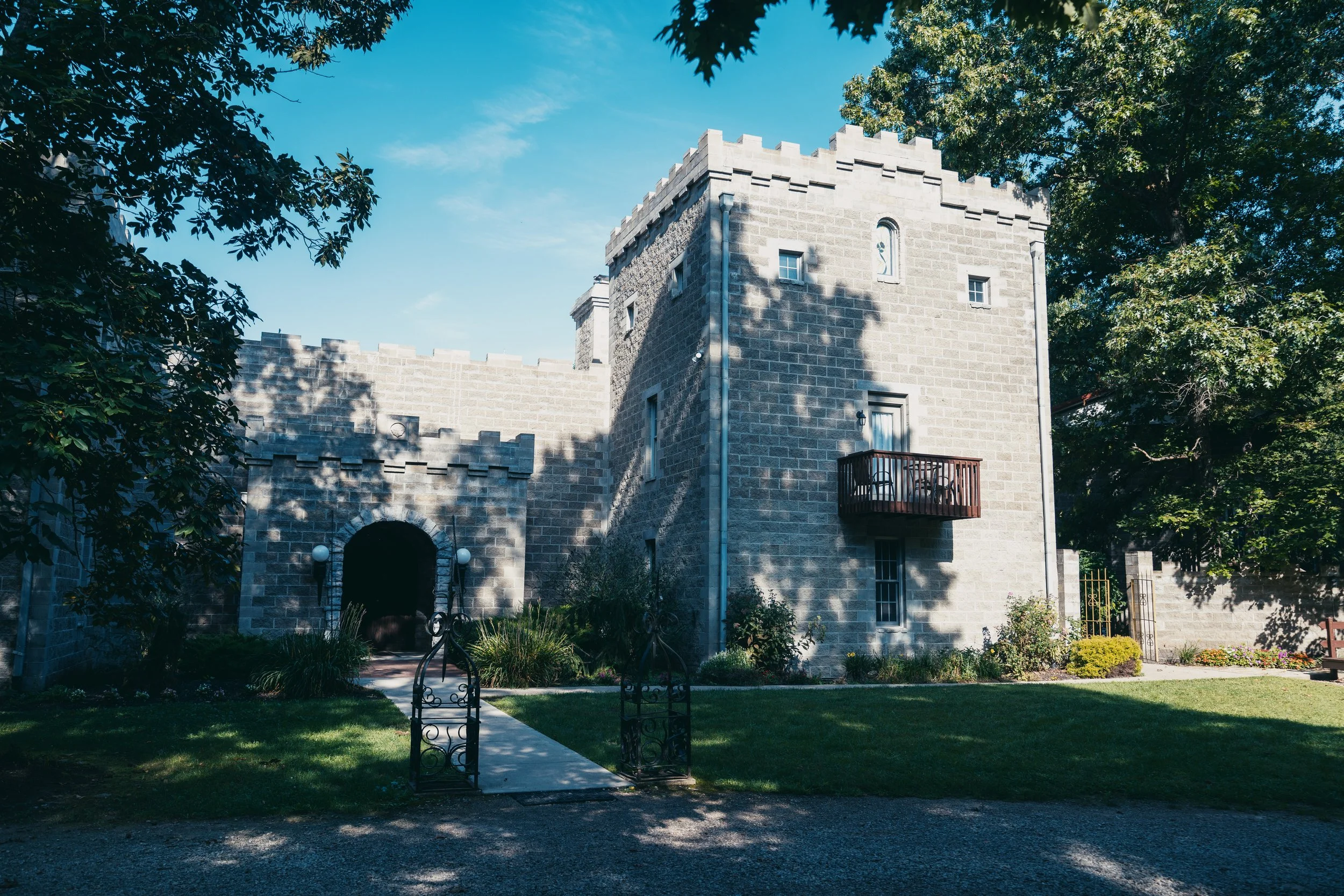
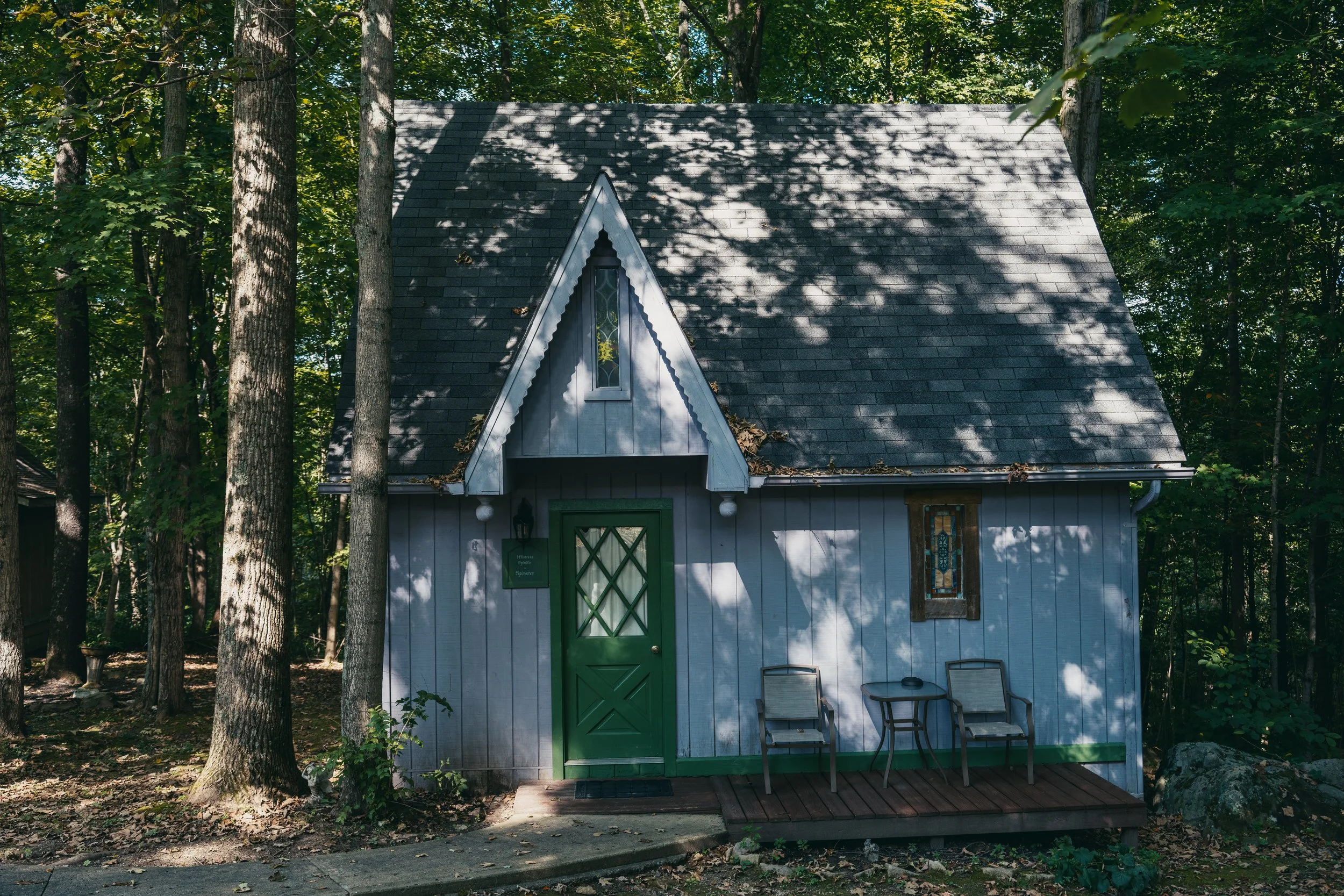
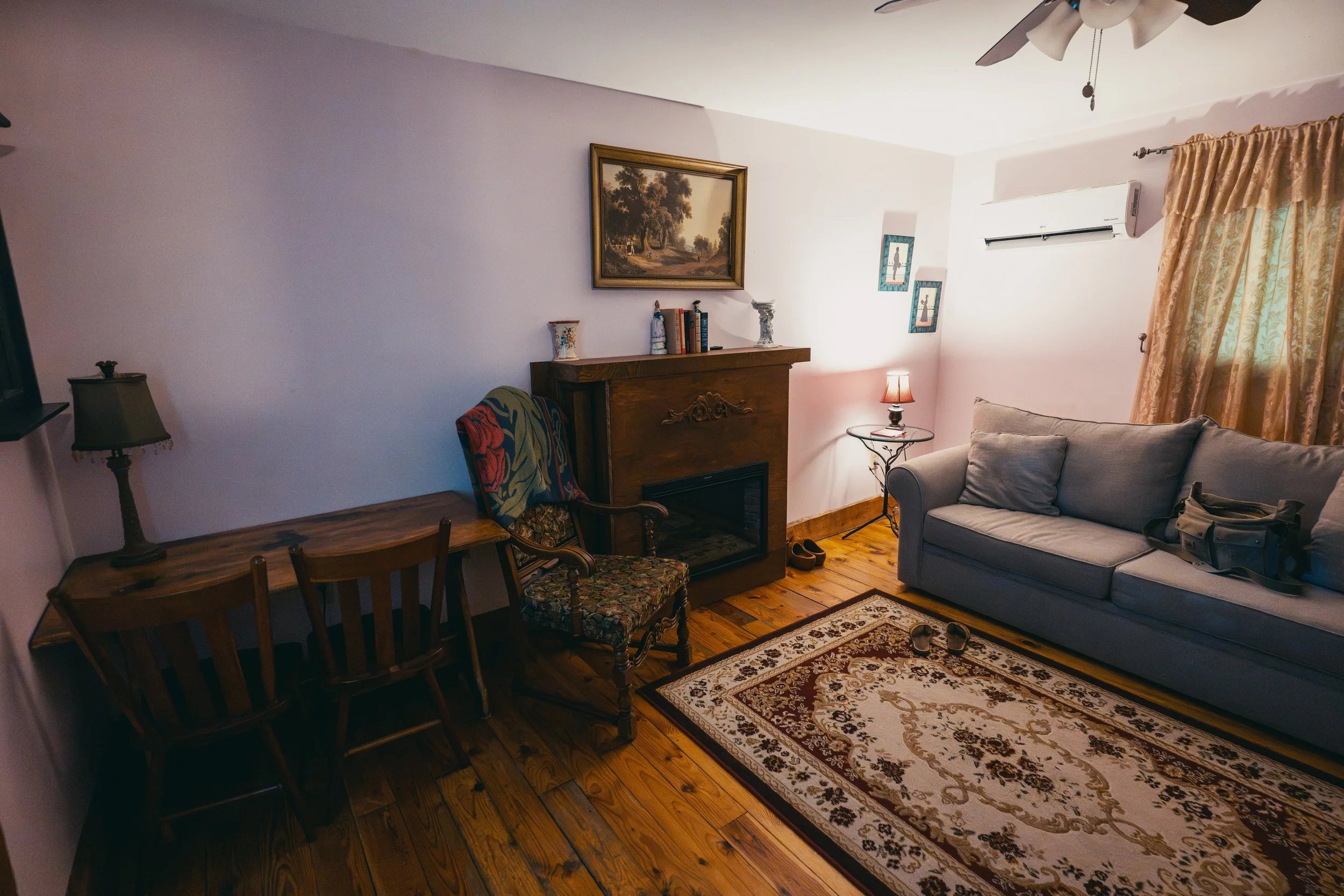
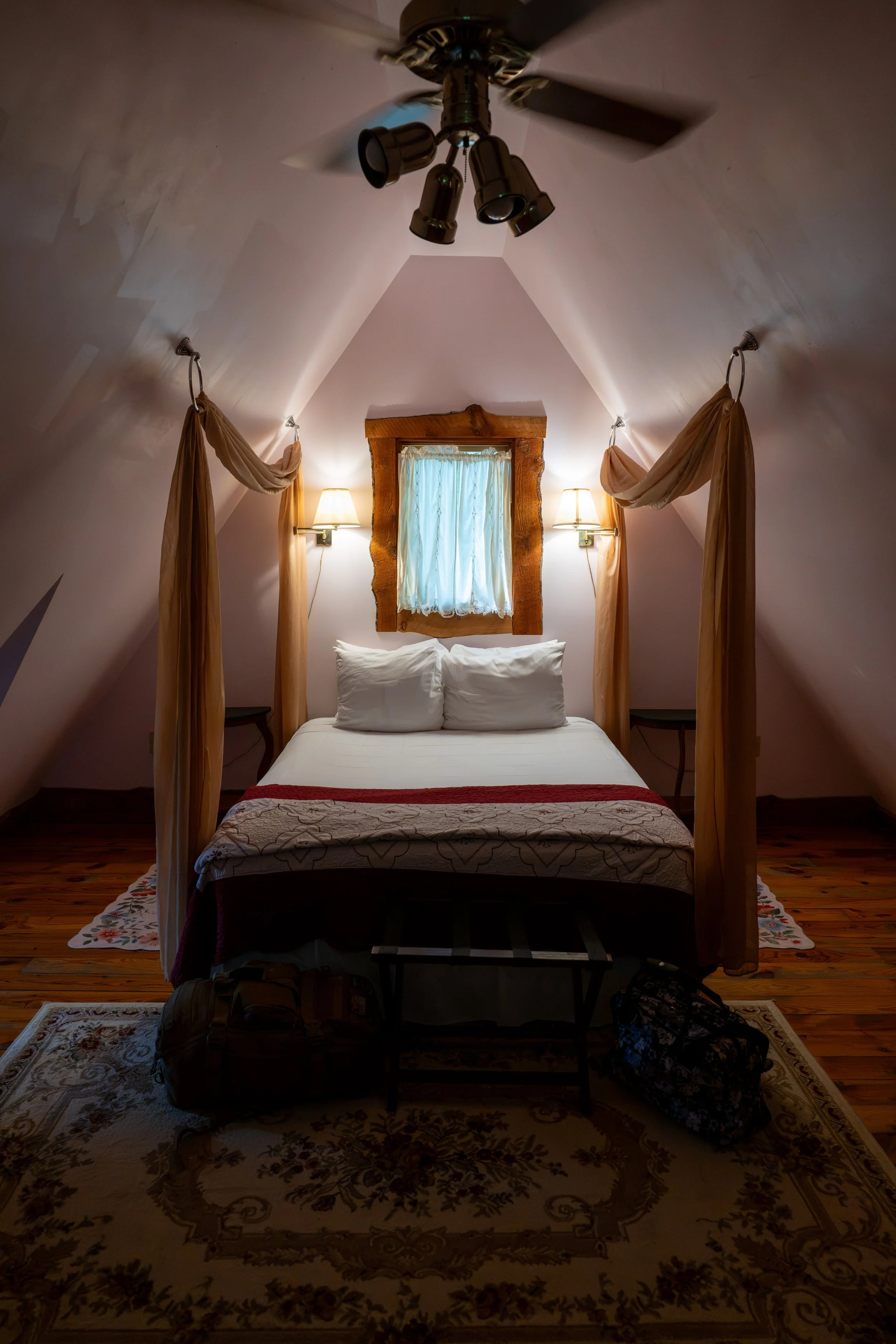

The Same Shape
After ten days, eight states, and thousands of miles on the Mustang, we made it home. We came home with full memory cards and tired legs, with new friends made and old friends seen again.
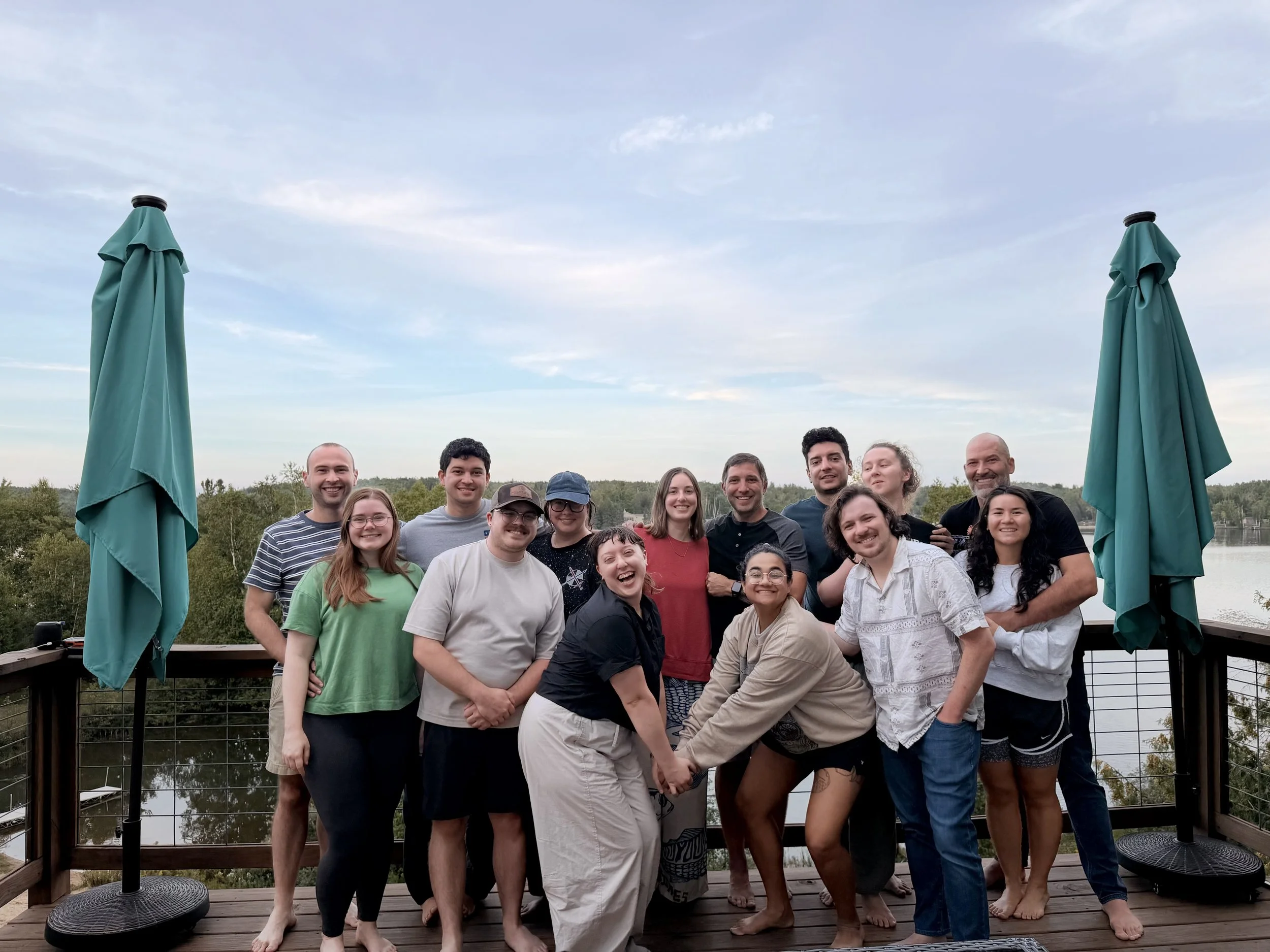
I've been trying to figure out how to explain what this group of people means to Elizabeth and me, and I keep coming back to the stars.
The truth about constellations is that most of them aren't real. The stars in them are usually nowhere near each other. Some are hundreds of light-years closer to us than their neighbors, and they only look like a hunter or a bear or a ladle because of where we happen to be standing. A constellation isn't a thing in the sky. It's a story we tell about the sky.
But there's an exception I love. The five middle stars of the Big Dipper really are a family. They share a common origin, and about eighty light-years from here they are still moving through space together, in the same direction, at the same speed. Gravity is slowly pulling them apart, the way gravity eventually pulls everything apart. But for now, they are still traveling together.
Our friends are like that. Most of the year we're scattered across the map, living our separate lives in our separate corners of the sky. But once a year, we align. For a few days we form a constellation of friendship and love, and then the days run out and the shape comes apart and we all drift back to wherever we came from.
Elizabeth and I are really lucky to have friends like this. Because the next year, it happens again. A different lake, maybe, or a different mountain, or a different sky. A new spot.
But the same shape.