The Revolution Will Be Colorized: Sluts For Justice
The air in Charleston during this specific slice of spring has a certain weight to it. It’s not quite the oppressive, blanket-like humidity of August, but it’s a reminder that the sun here doesn’t just shine; it participates. It was under this light that I set out for an afternoon that promised a chaotic collision of community, chemistry, and political defiance.
I was heading to an event hosted by the Palmetto State Abortion Fund, an organization doing the difficult, essential work of ensuring reproductive healthcare is a practical reality rather than a theoretical right. The event was titled "Sluts For Justice", a name carrying a deliberate, electric charge. It’s an act of linguistic reclamation, taking a word historically used to marginalize and turning it into a banner for bodily autonomy. The premise was simple: make a donation, get a t-shirt, and then subject that shirt to the beautiful entropy of tie-dye.
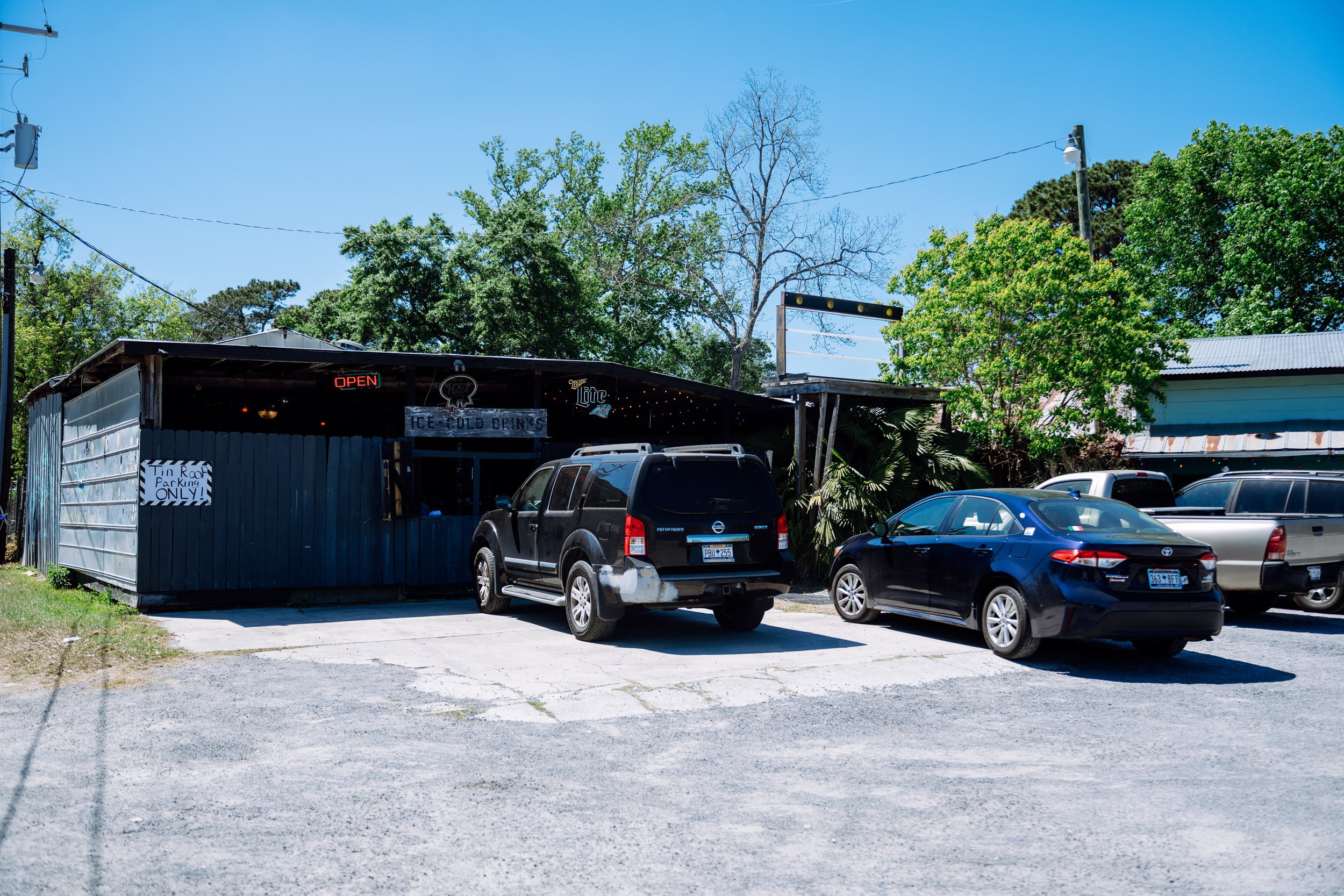
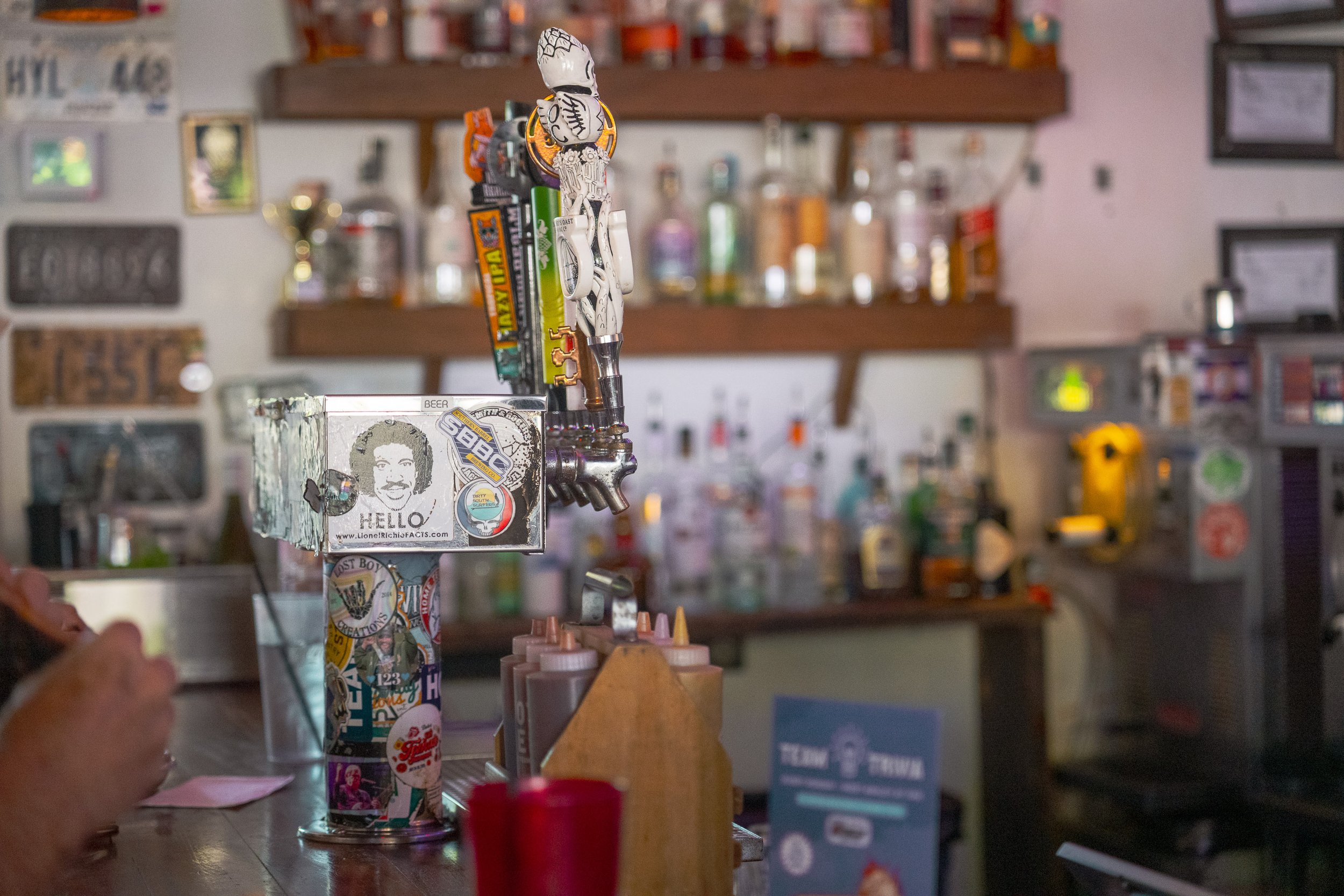
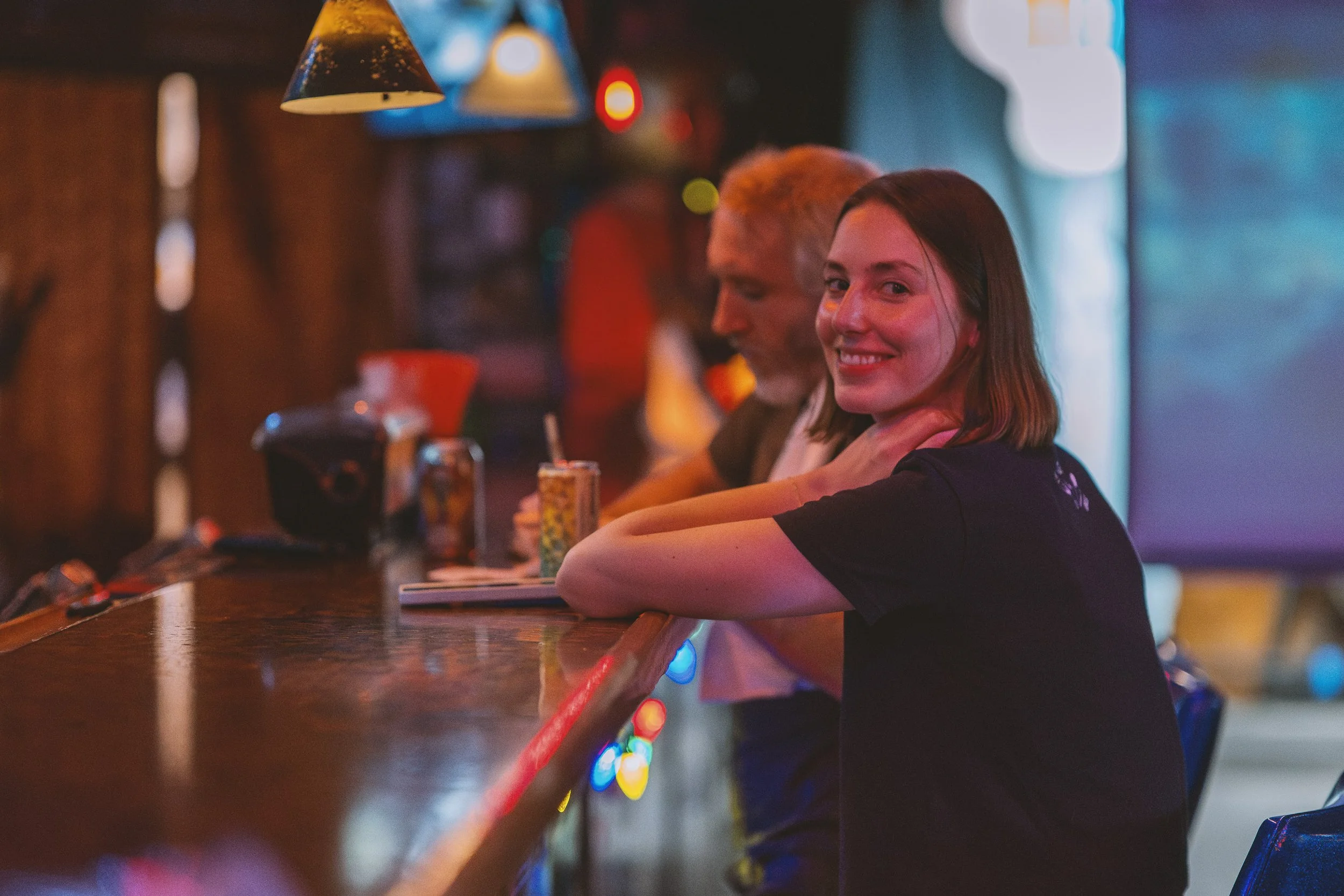
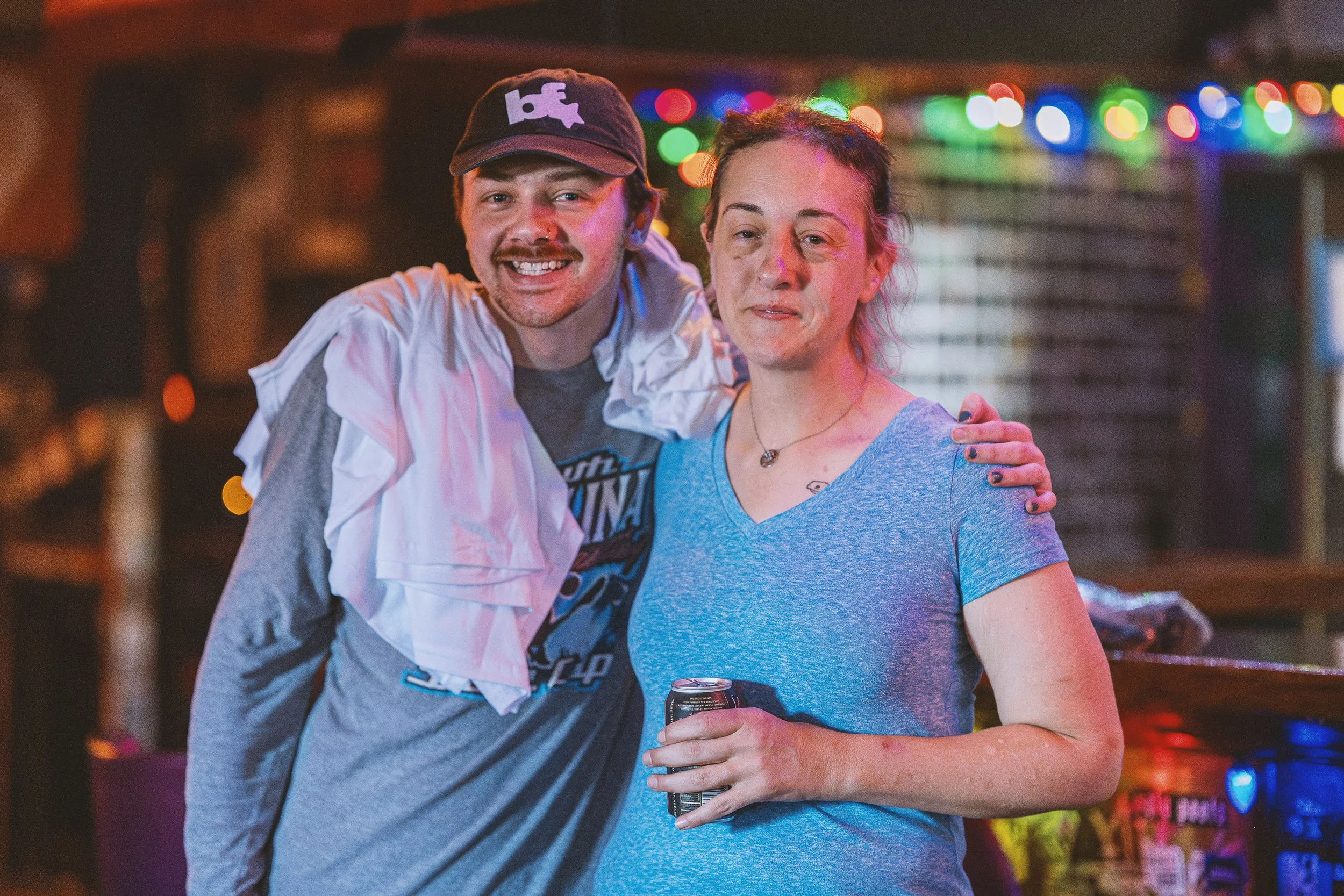
The day began with a very human complication. We arrived at The Tin Roof at 12:30 PM, the appointed hour for the revolution to be colorized, only to find the doors stubbornly locked. We exchanged confused glances and made a few phone calls, eventually learning that someone was on their way. In the interim, we did what people in Charleston do best: we pivoted toward fellowship and shade.
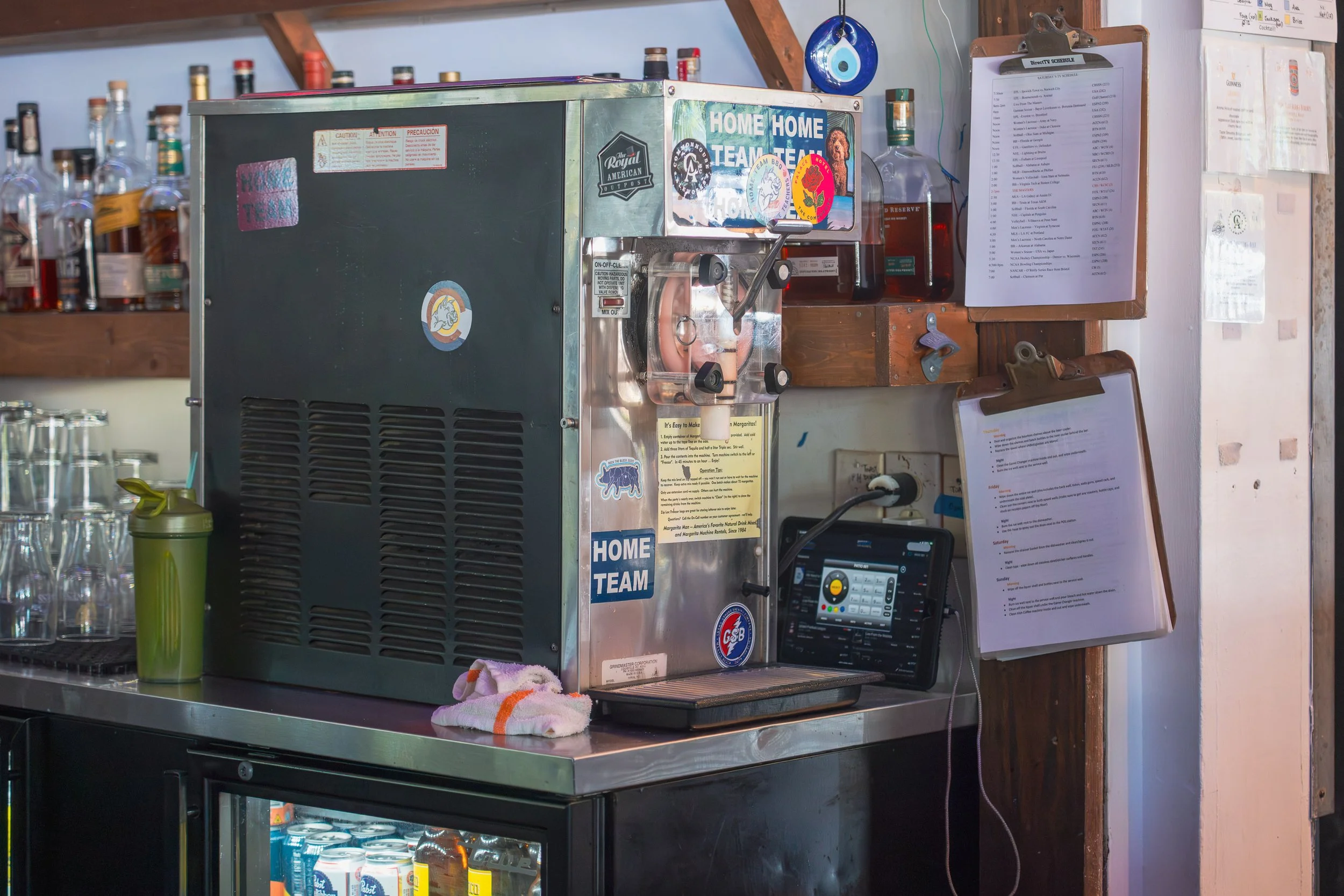
We migrated to Home Team for a round of afternoon beers. There is something fundamentally vital about these "in-between" moments. Before the activism, before the art, there is just the gathering. We weren't just waiting for a key; we were building the social infrastructure that makes a movement possible.
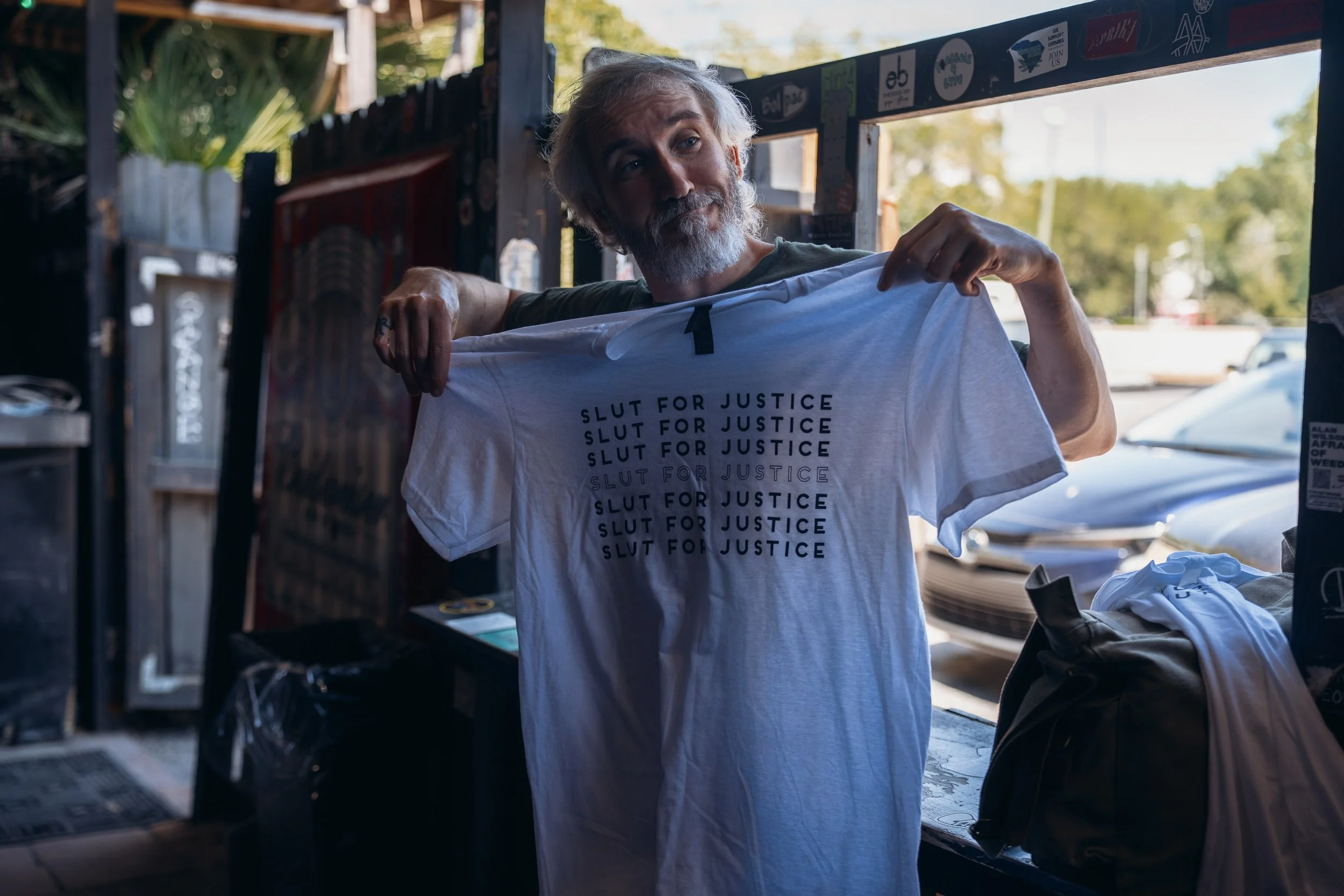
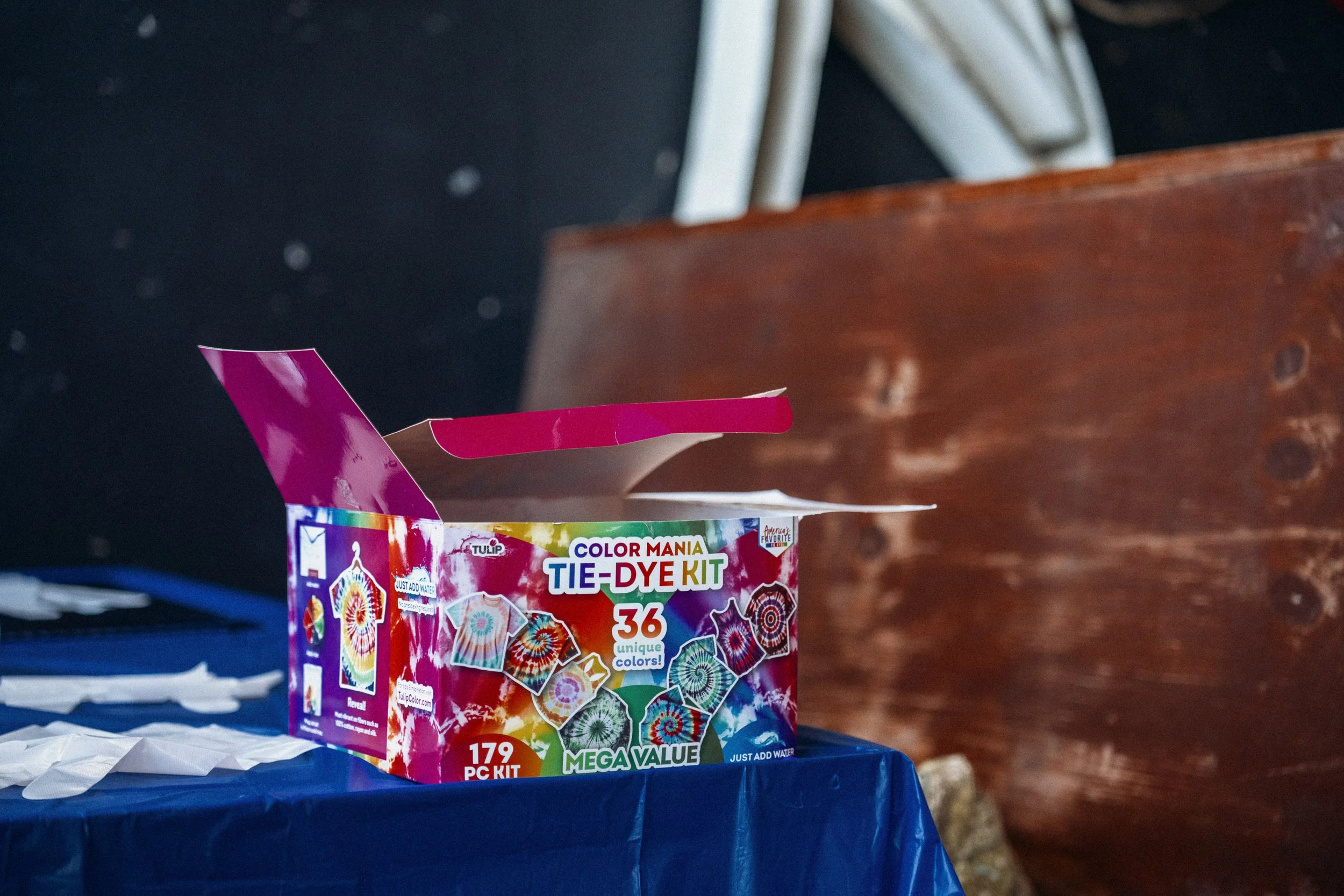
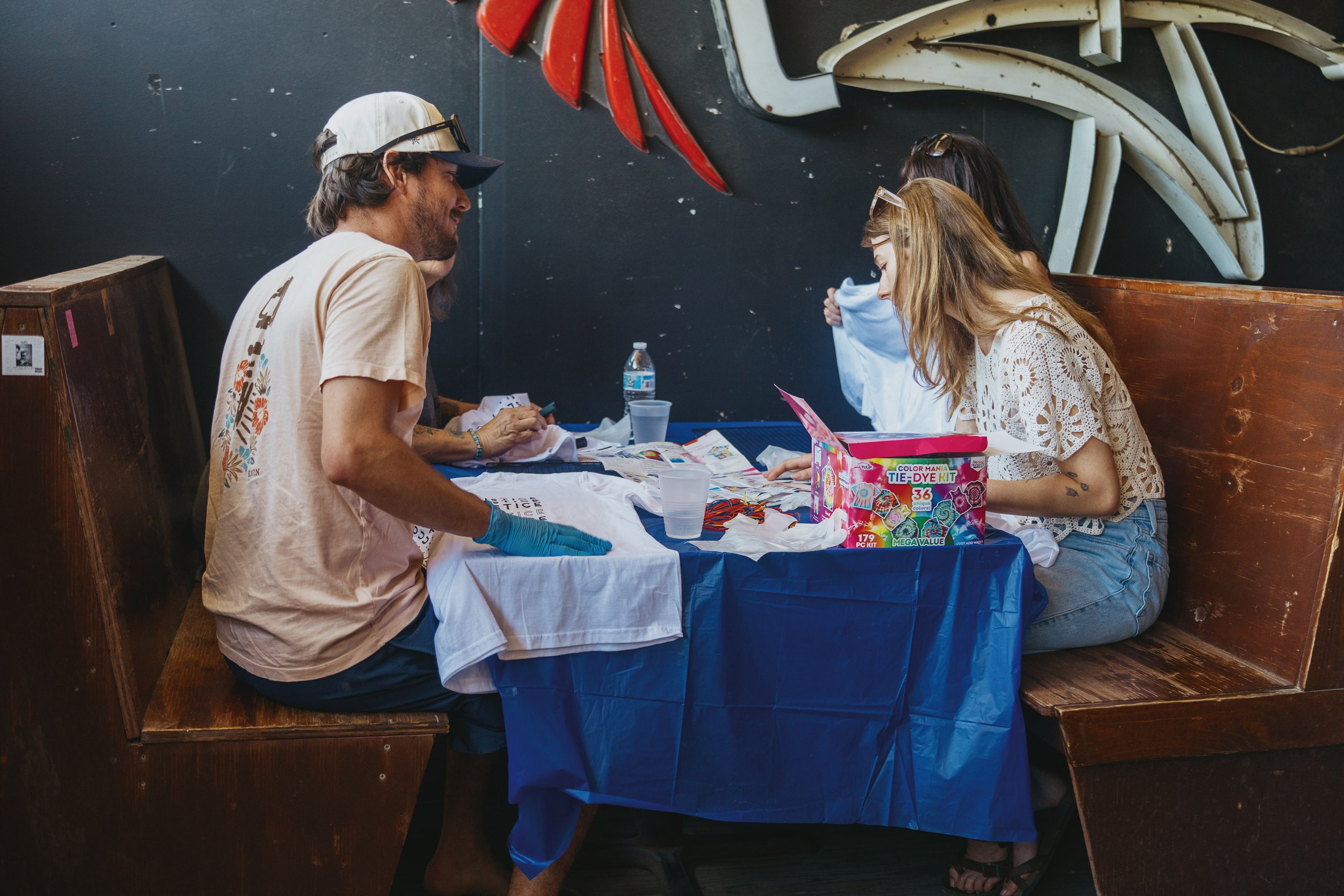
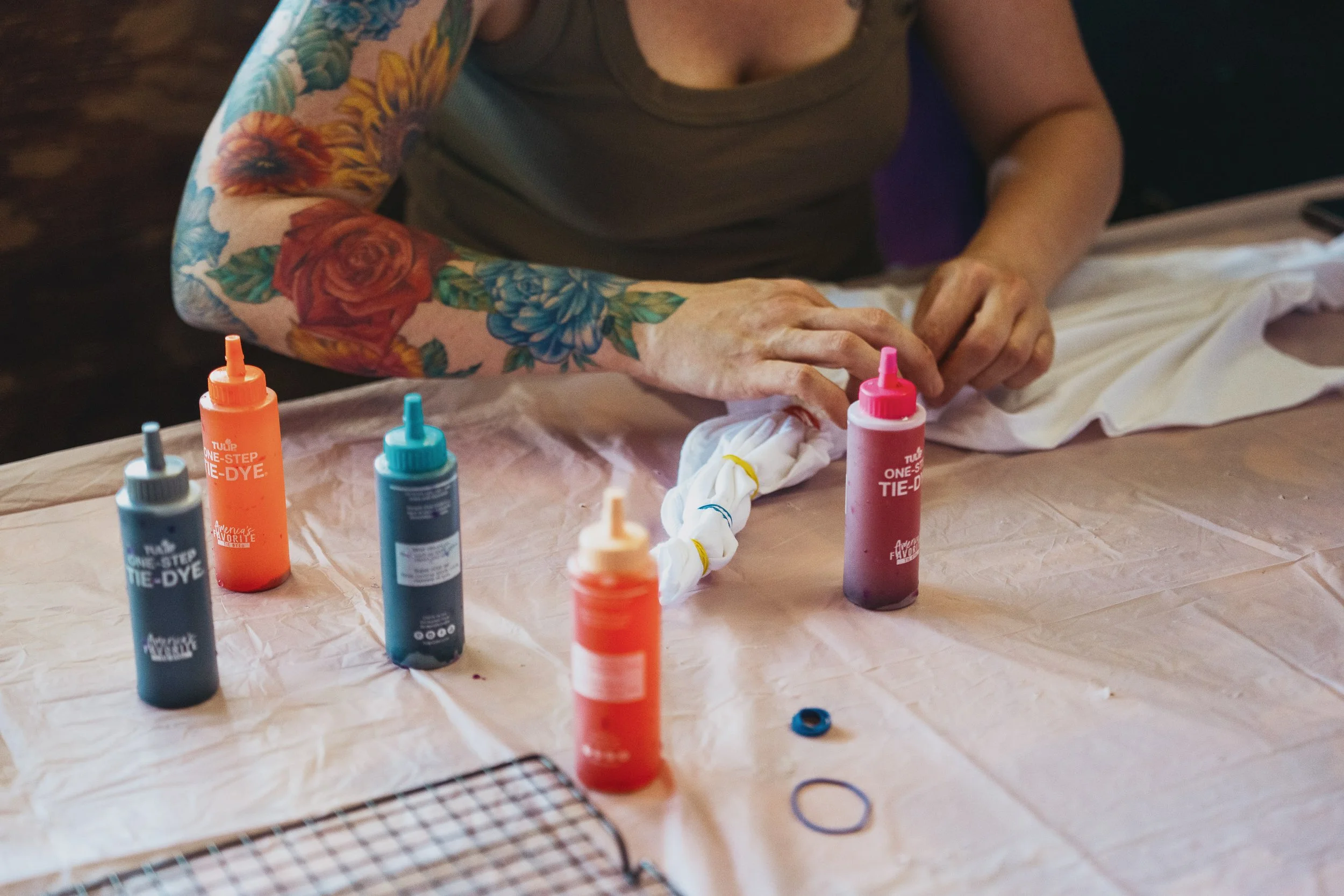
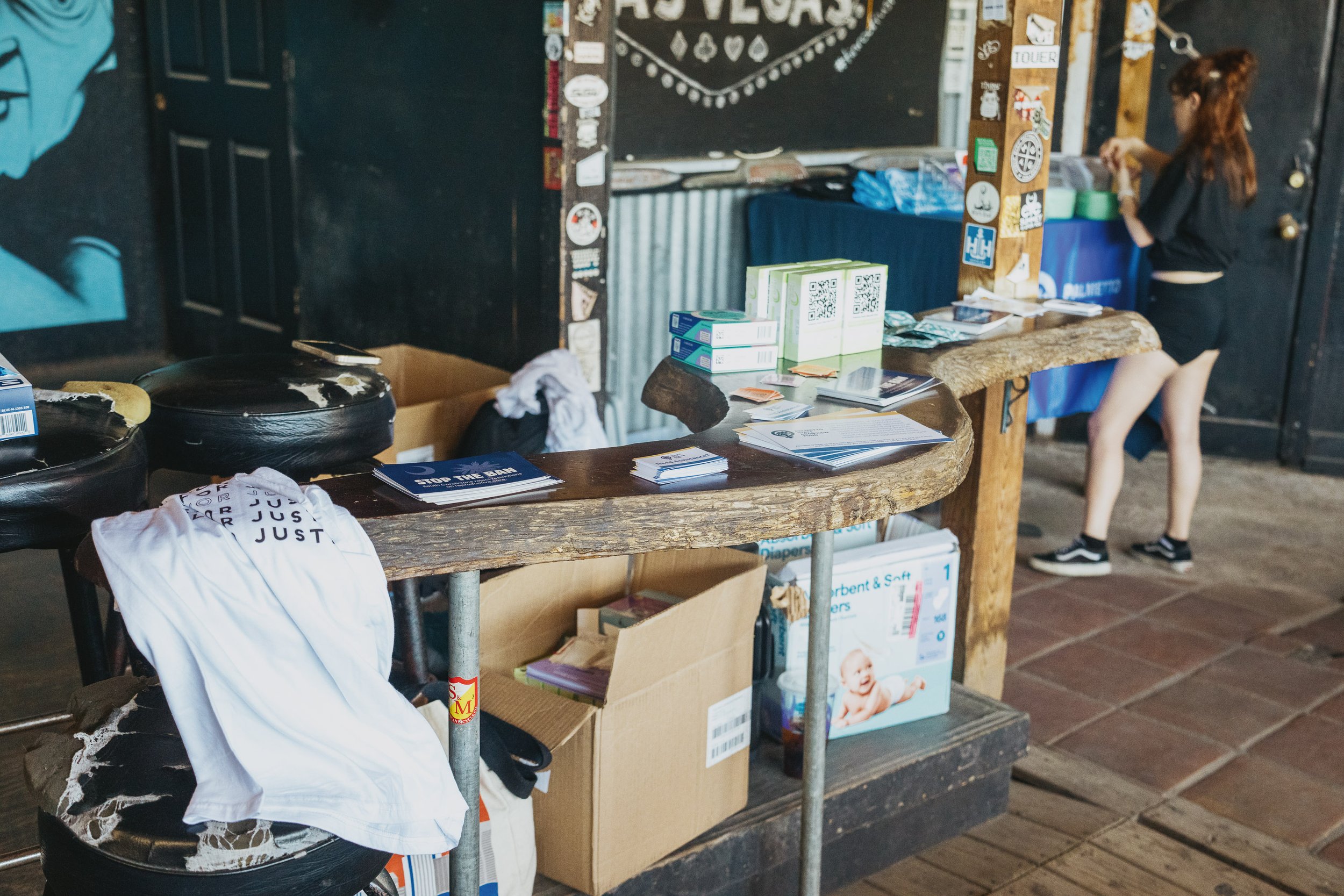
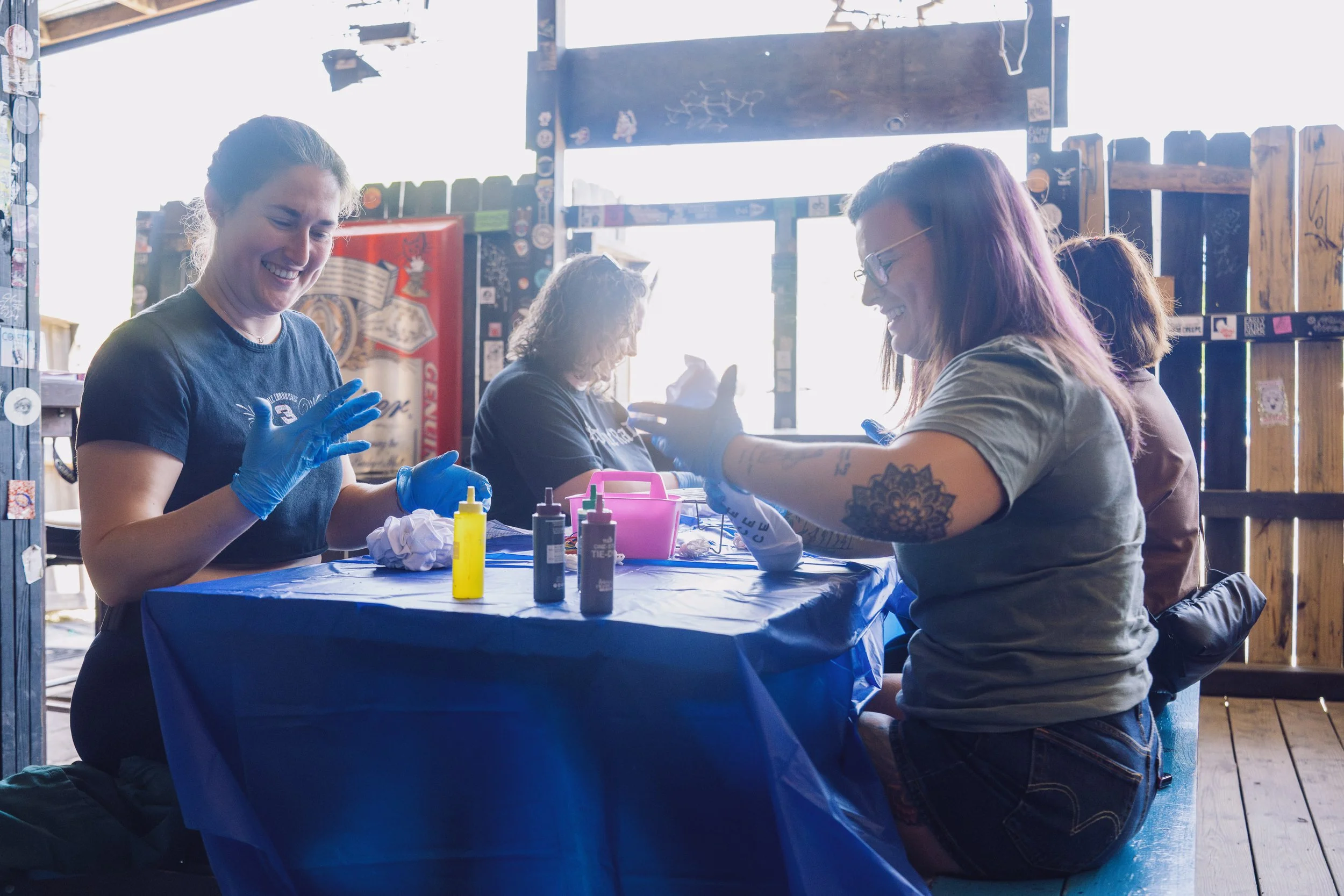
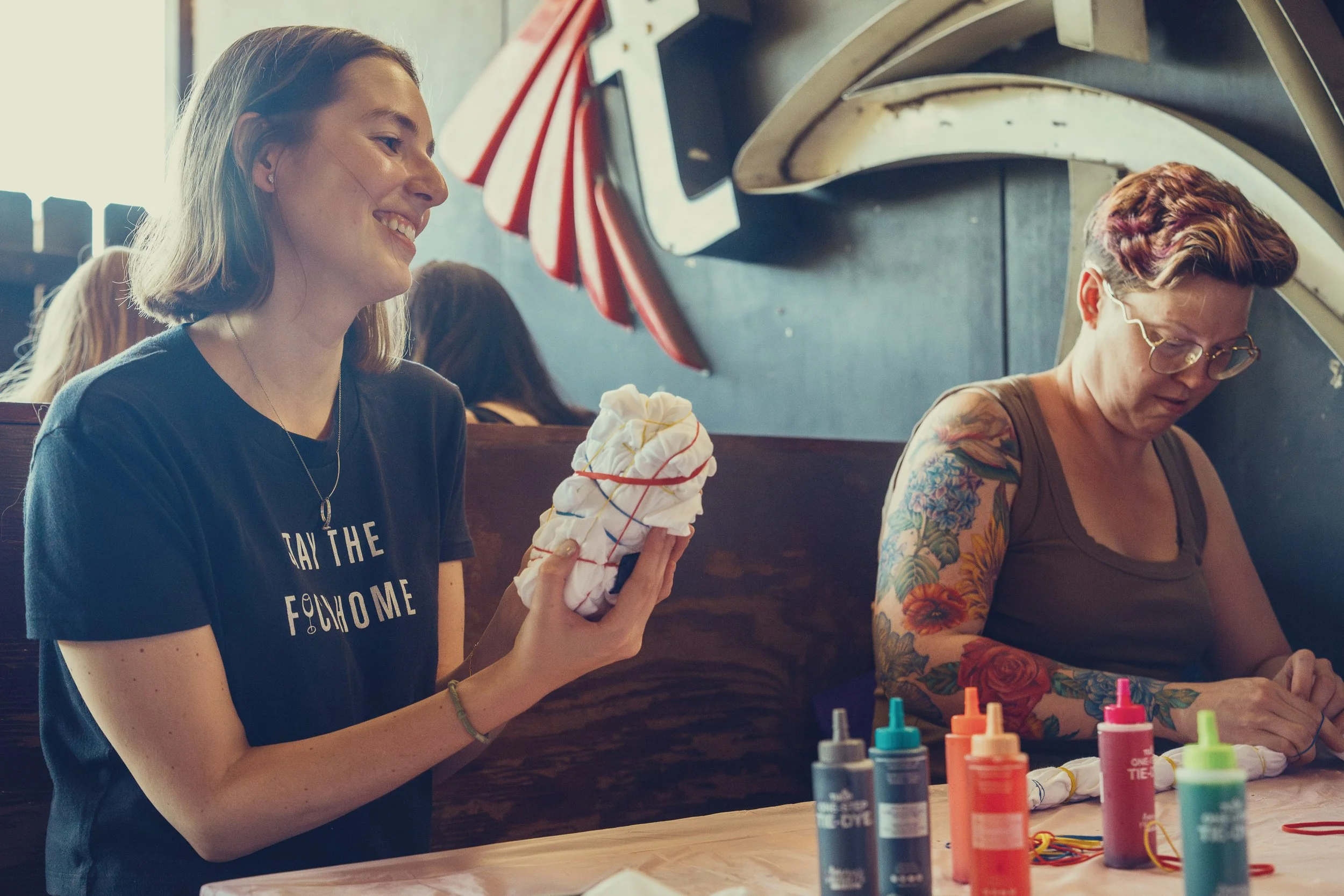
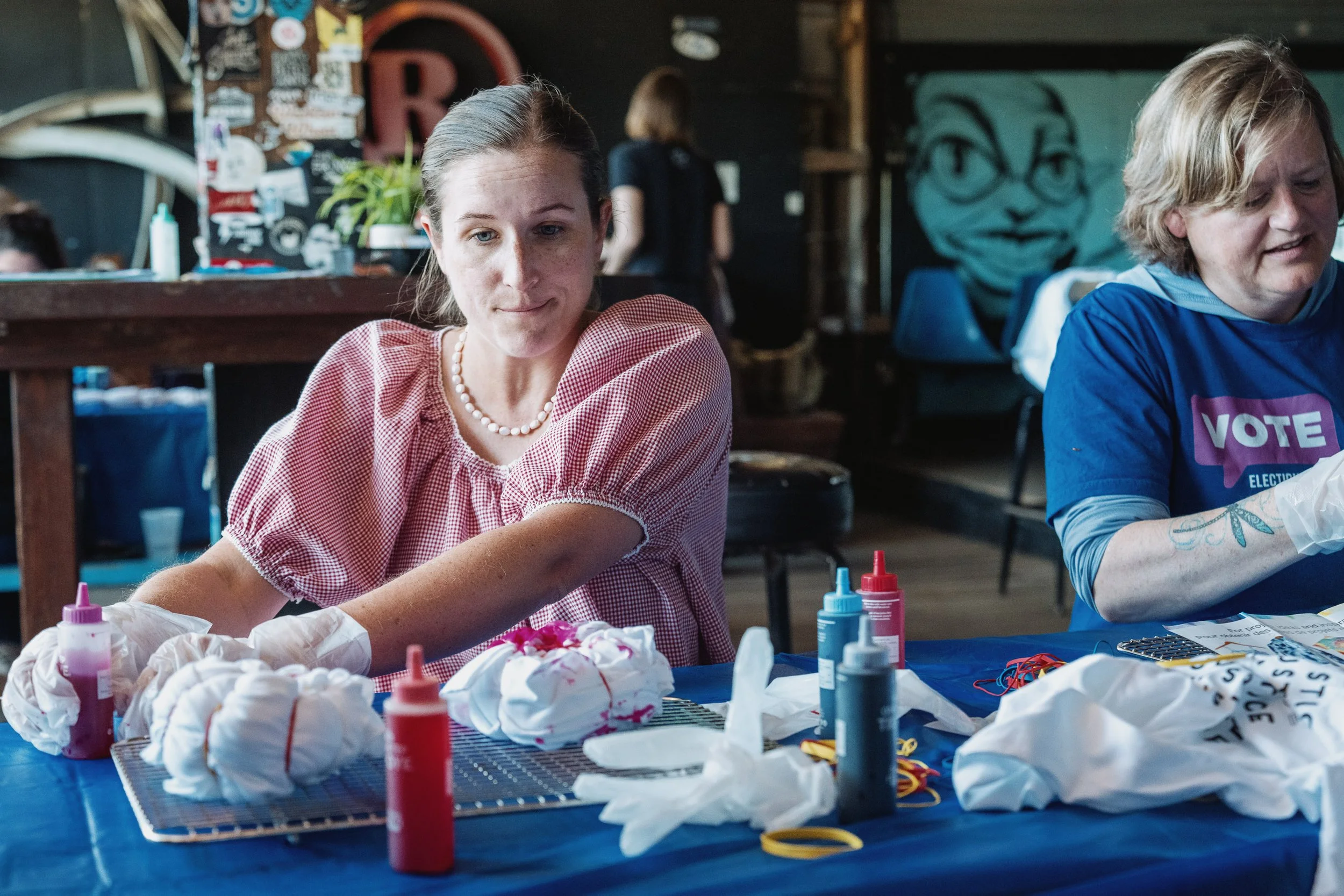
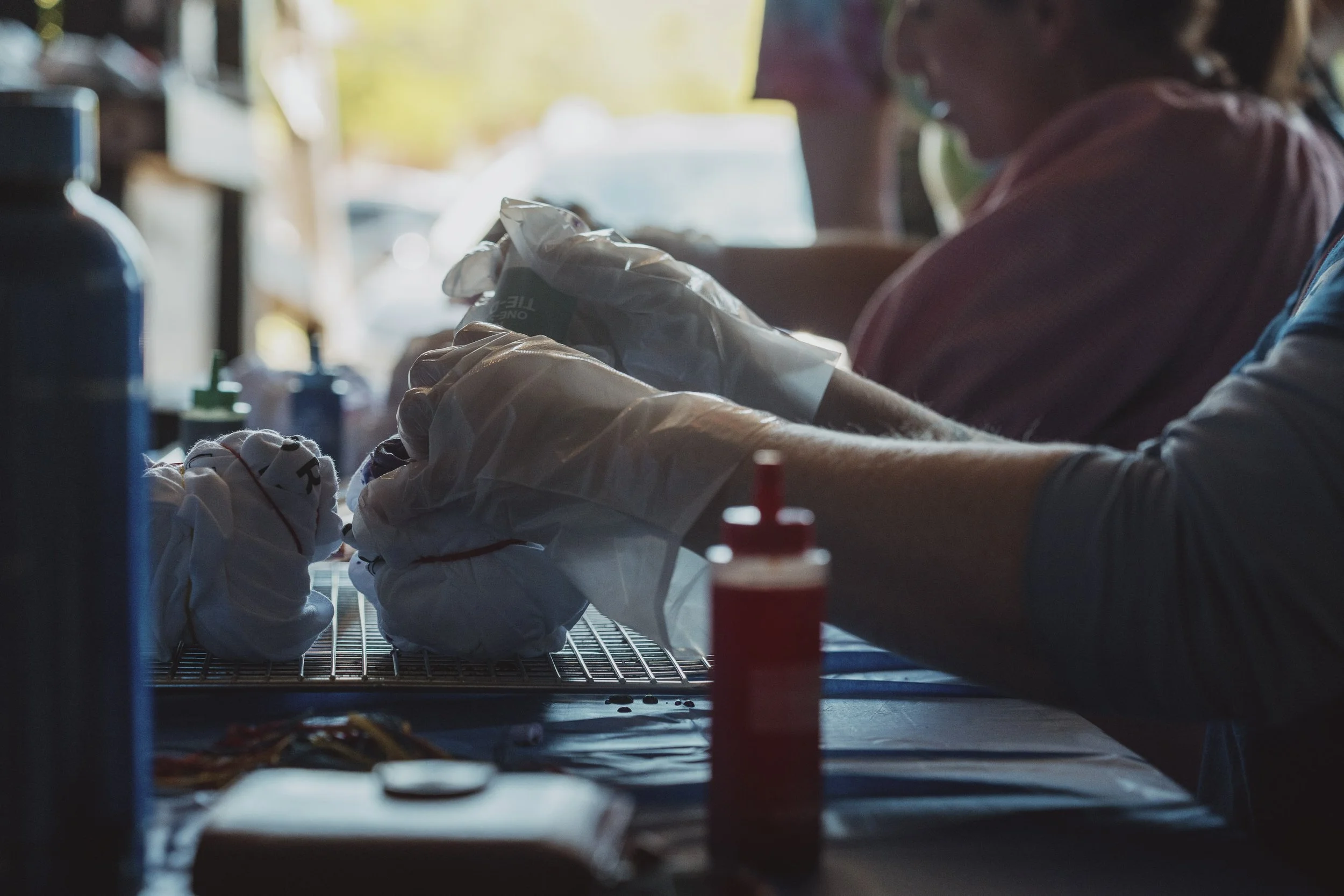
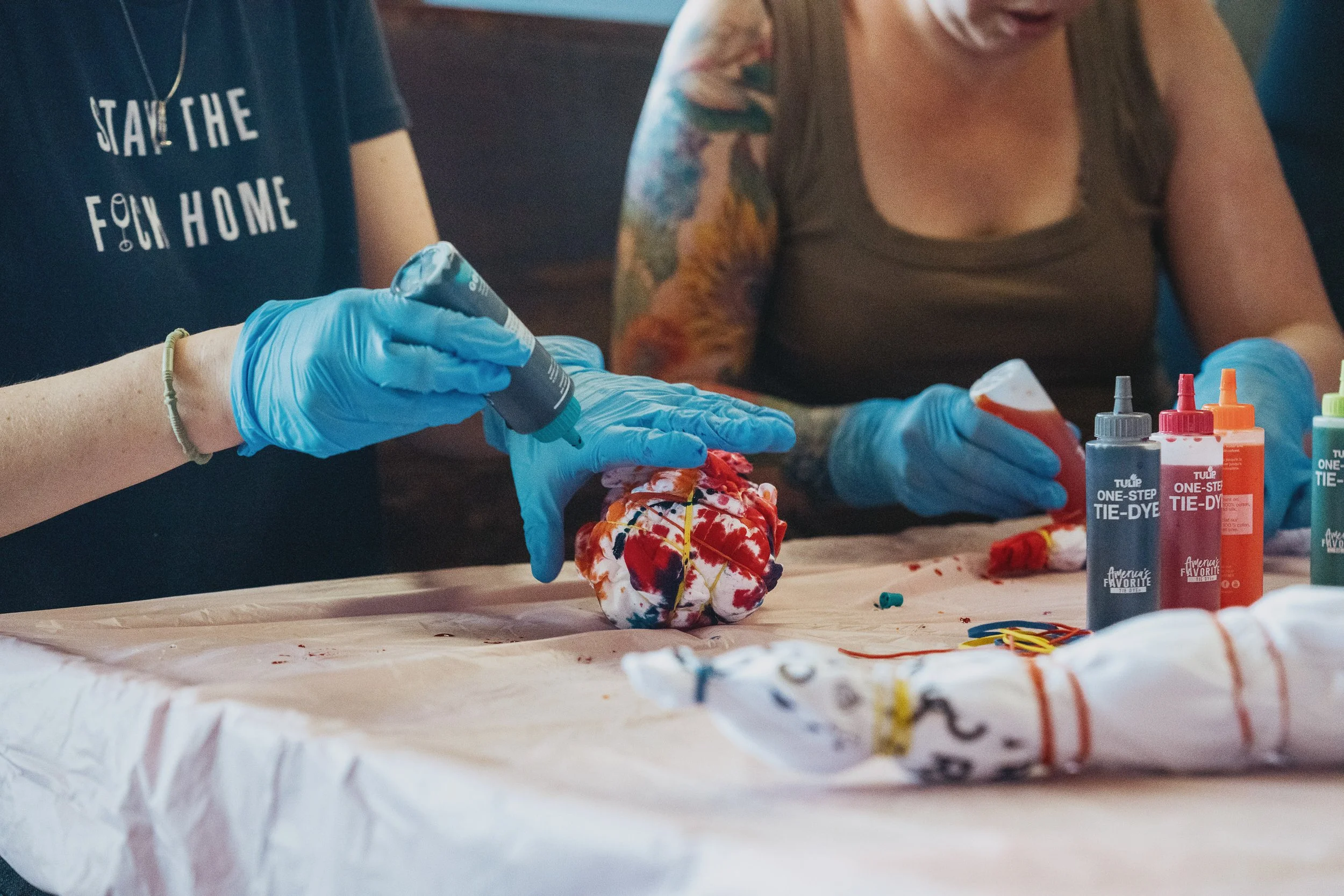
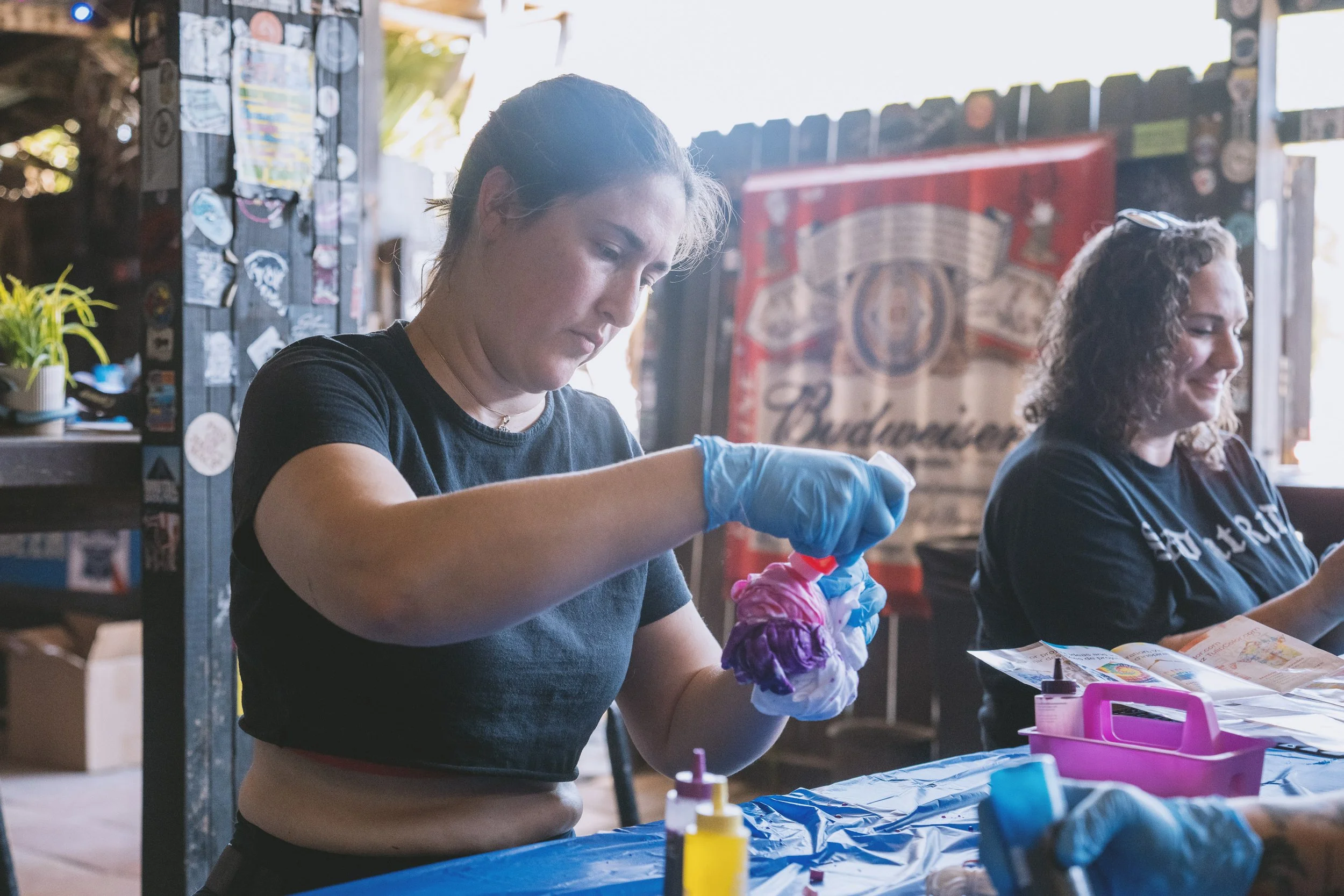
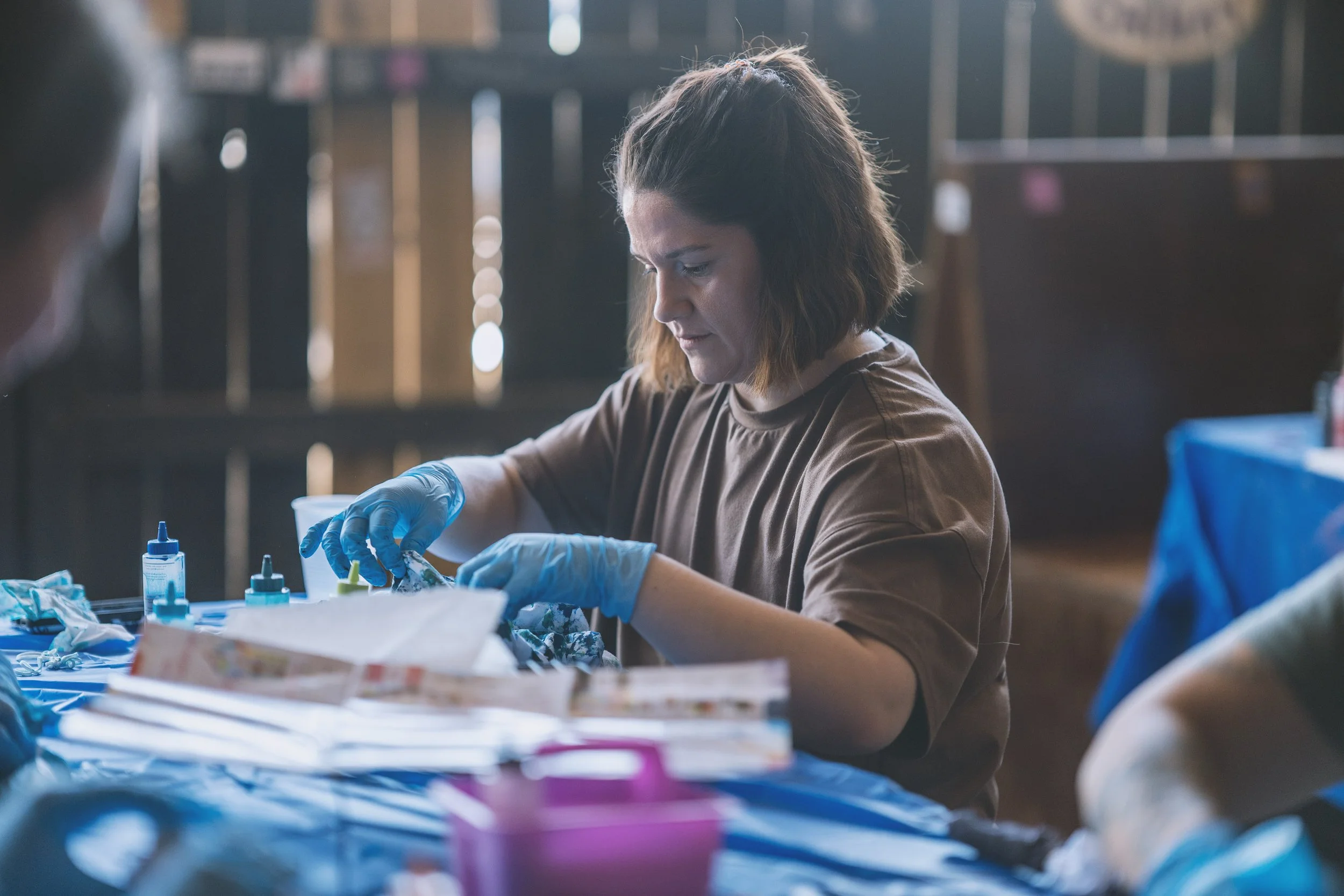
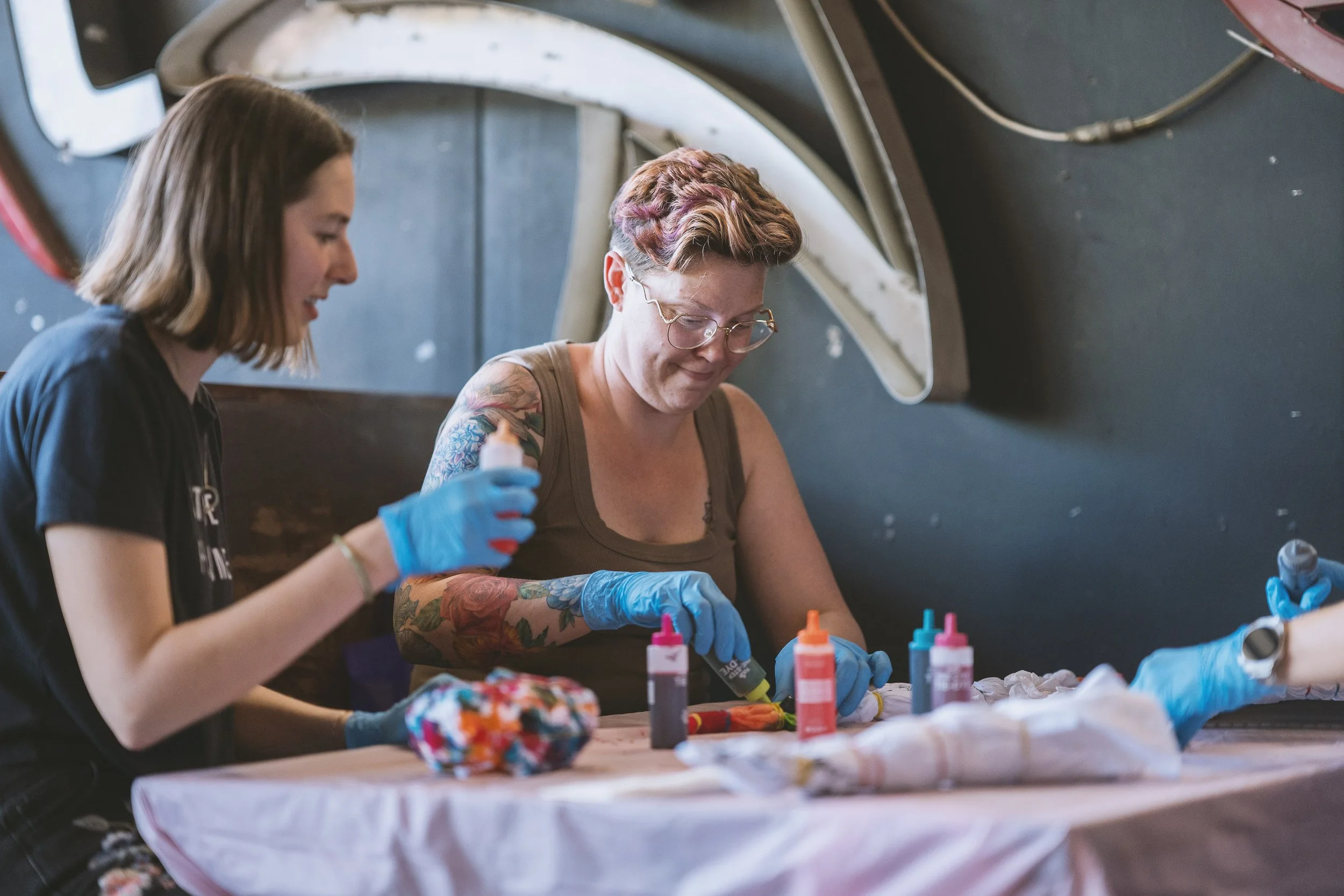
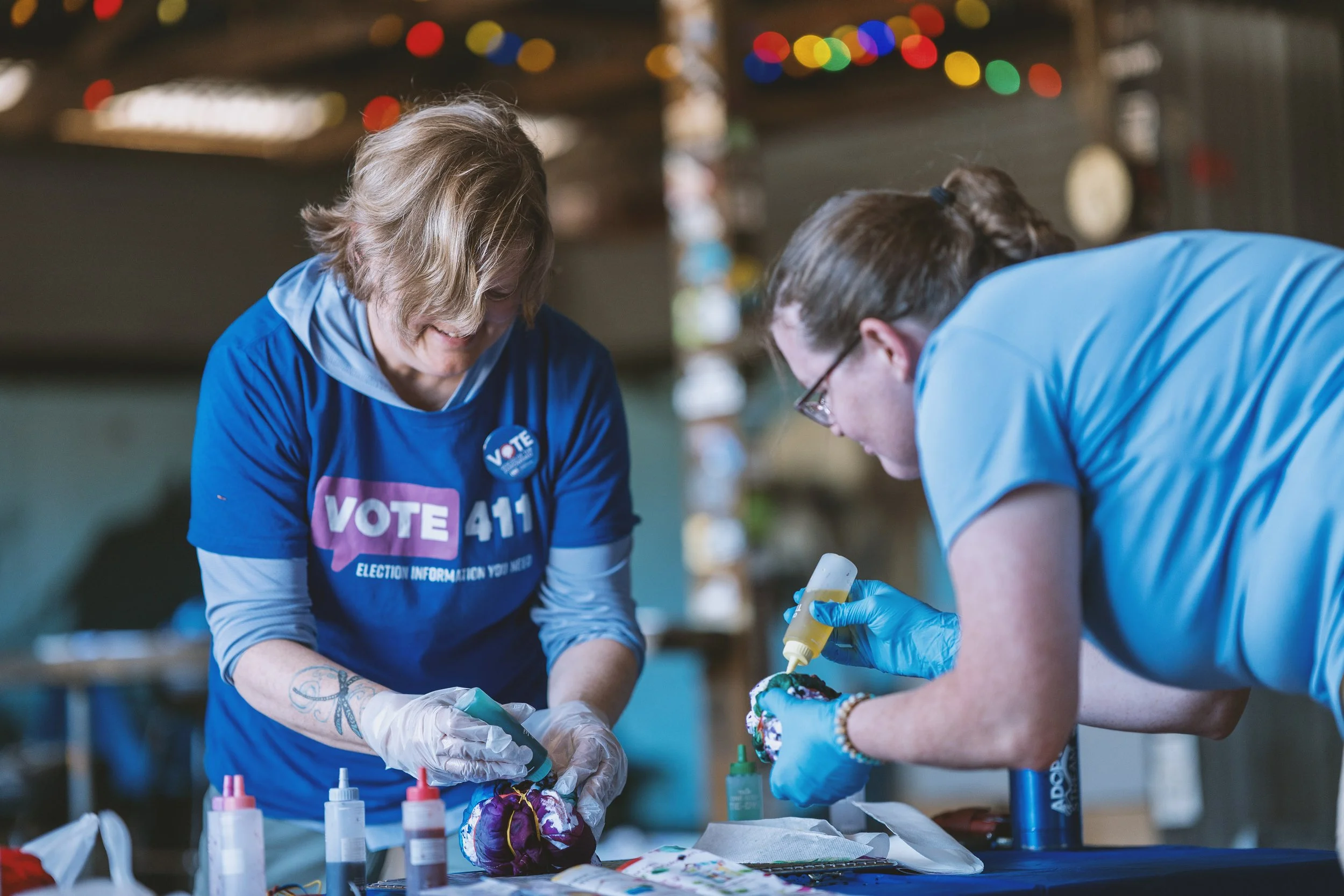
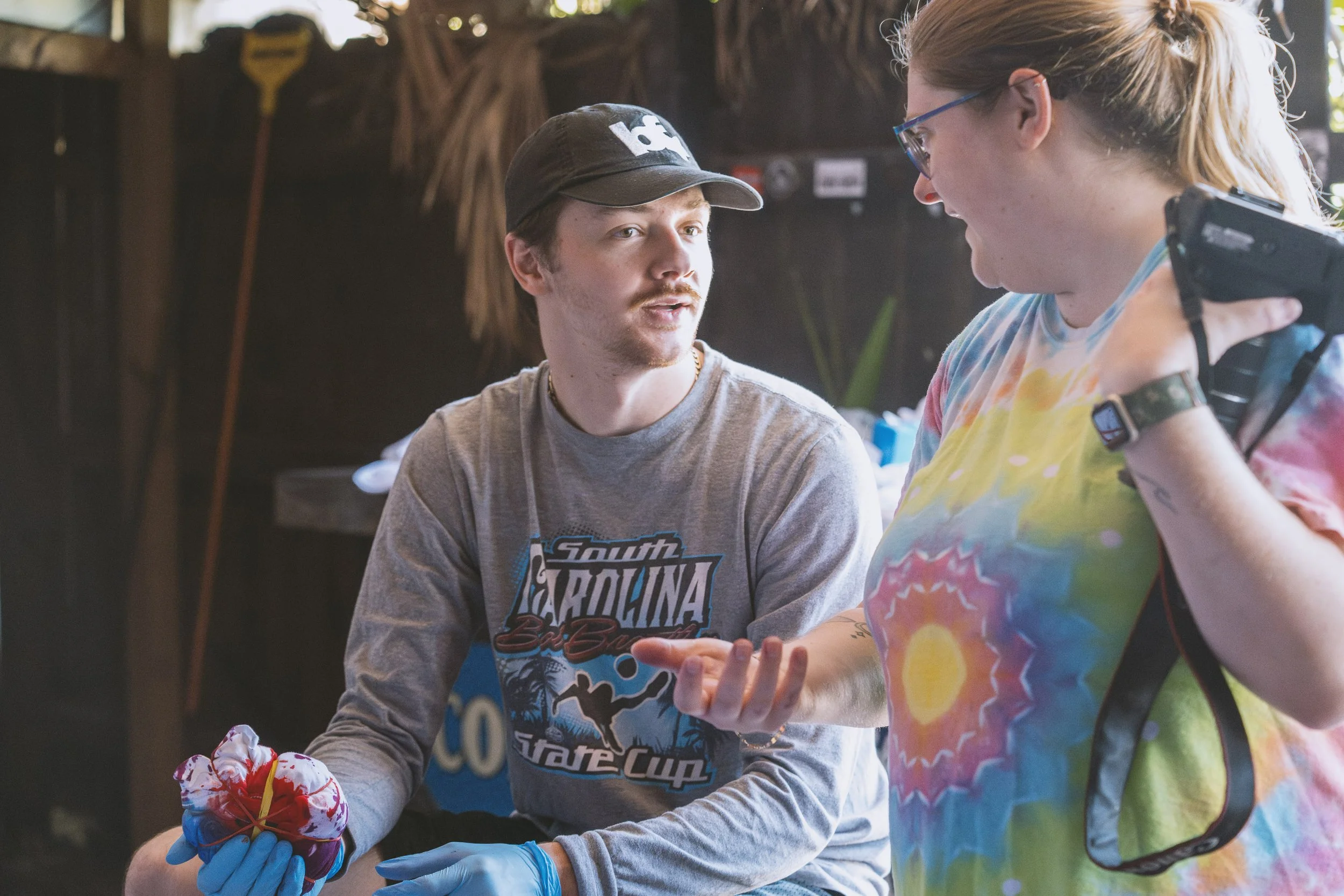
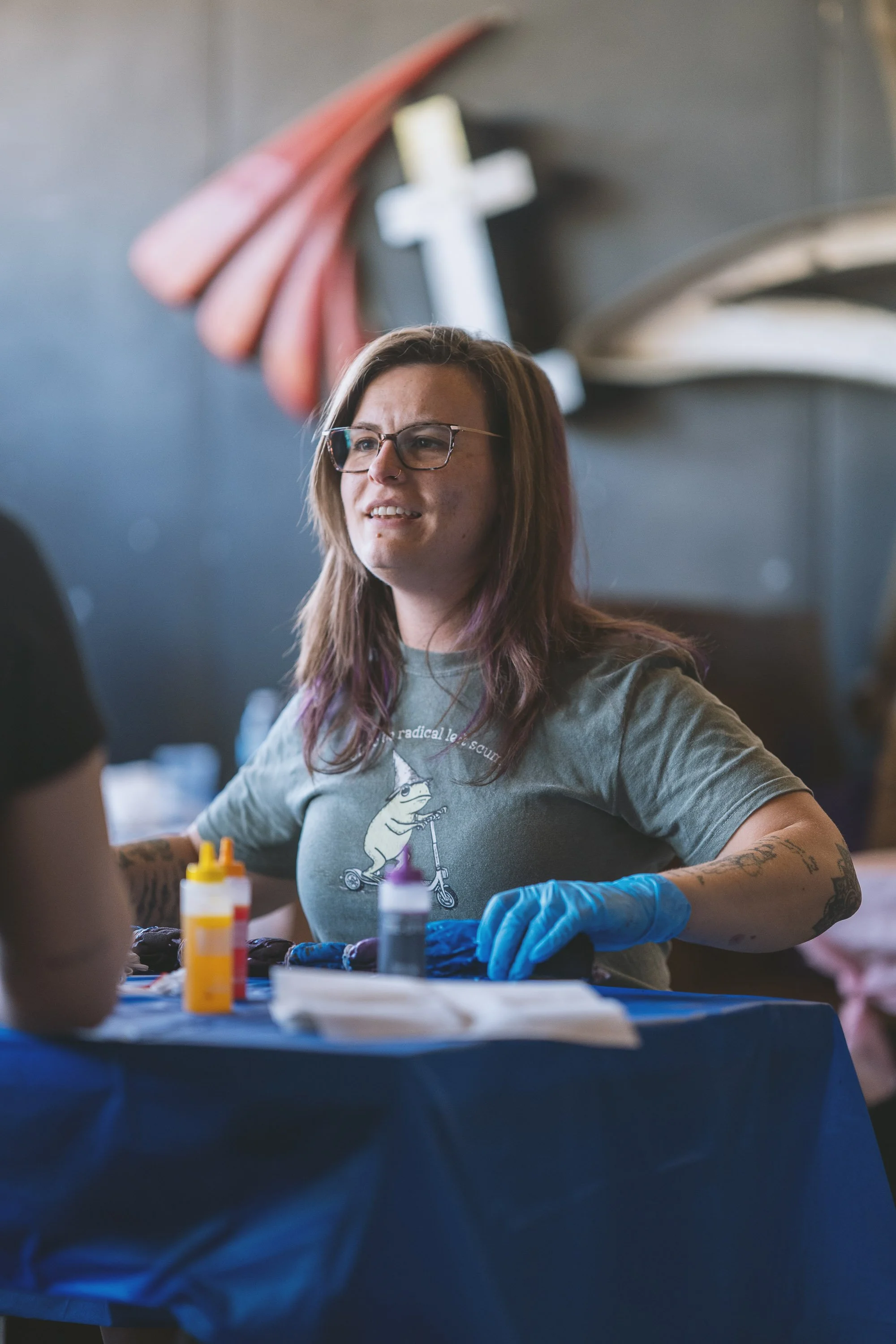
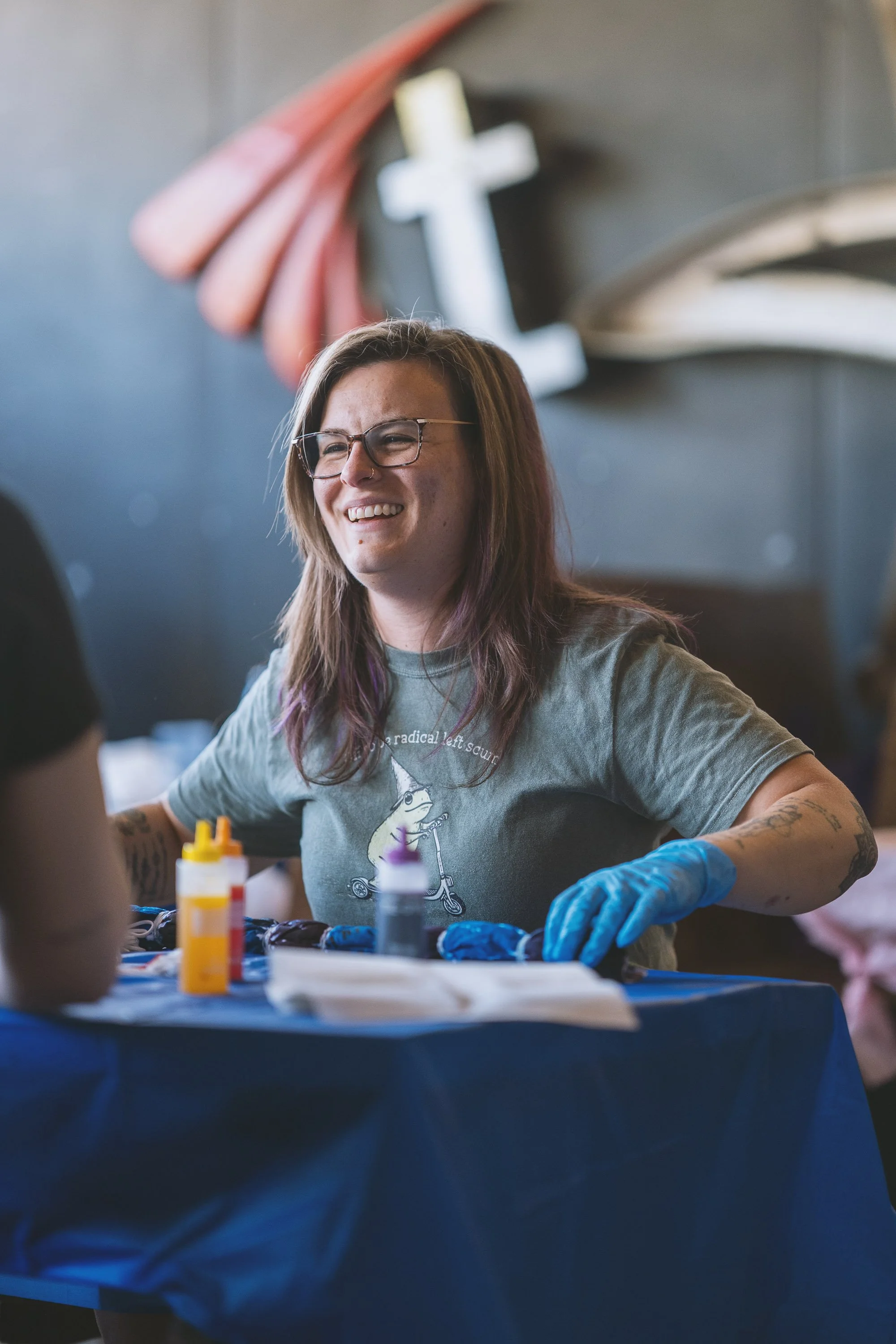
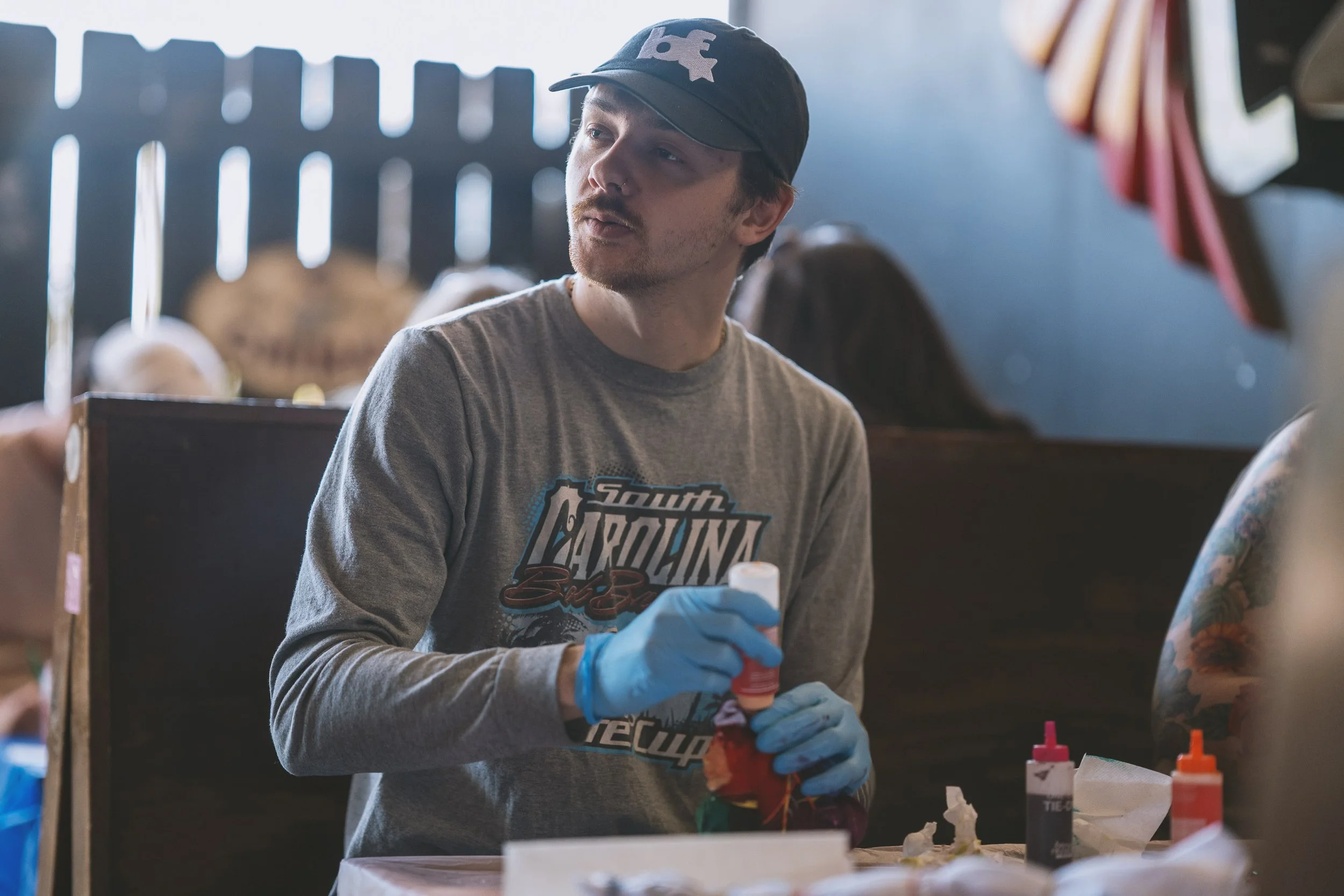
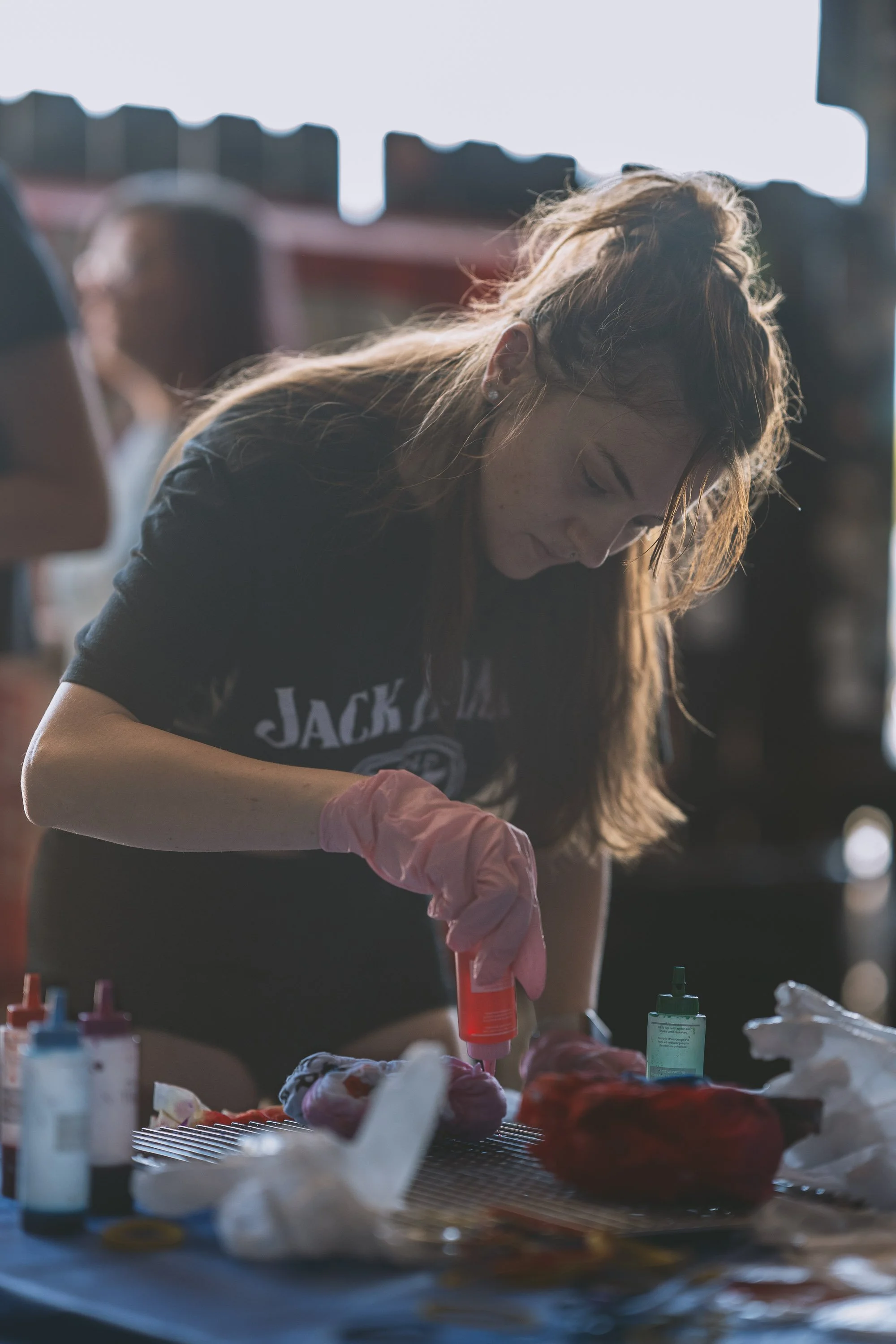
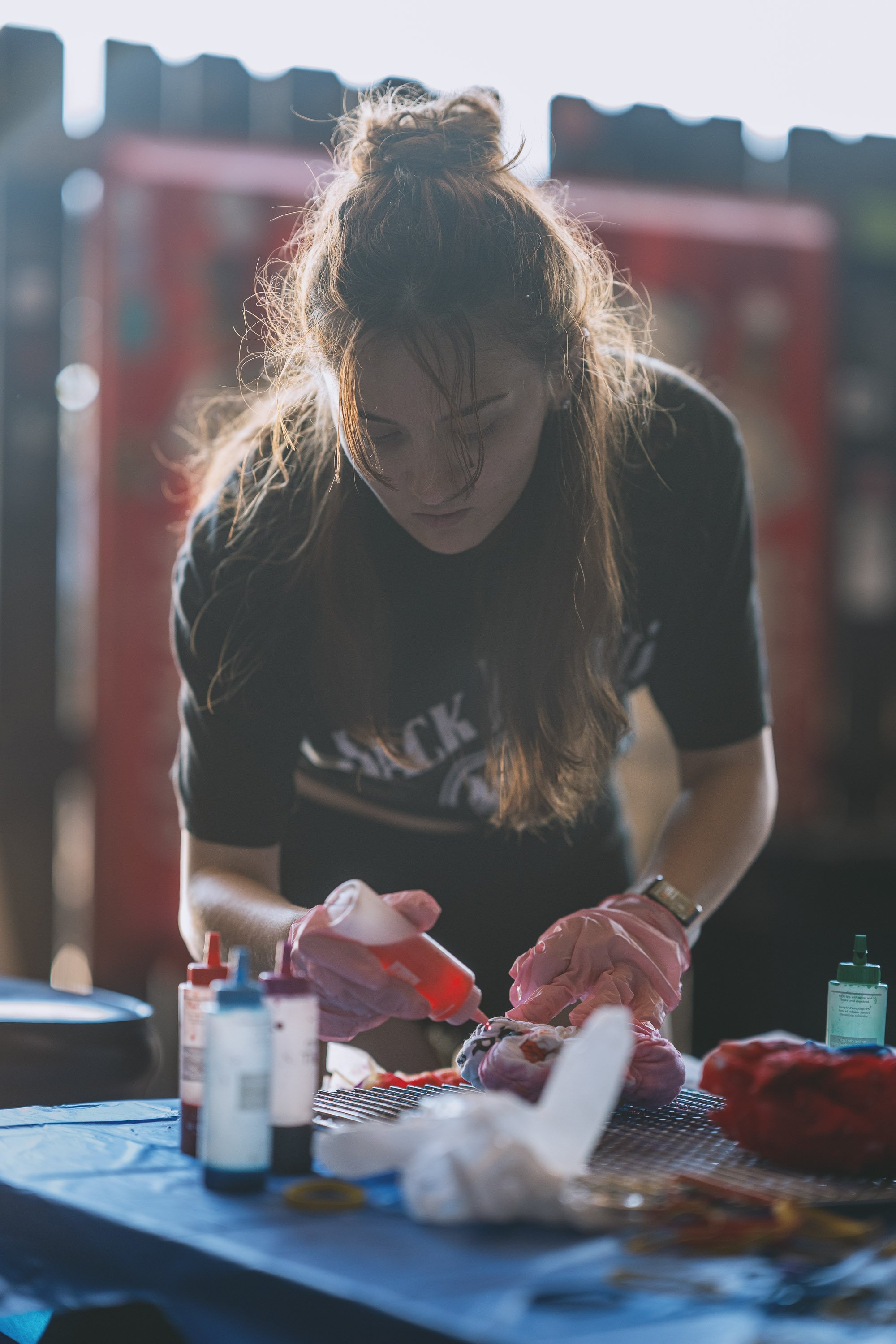
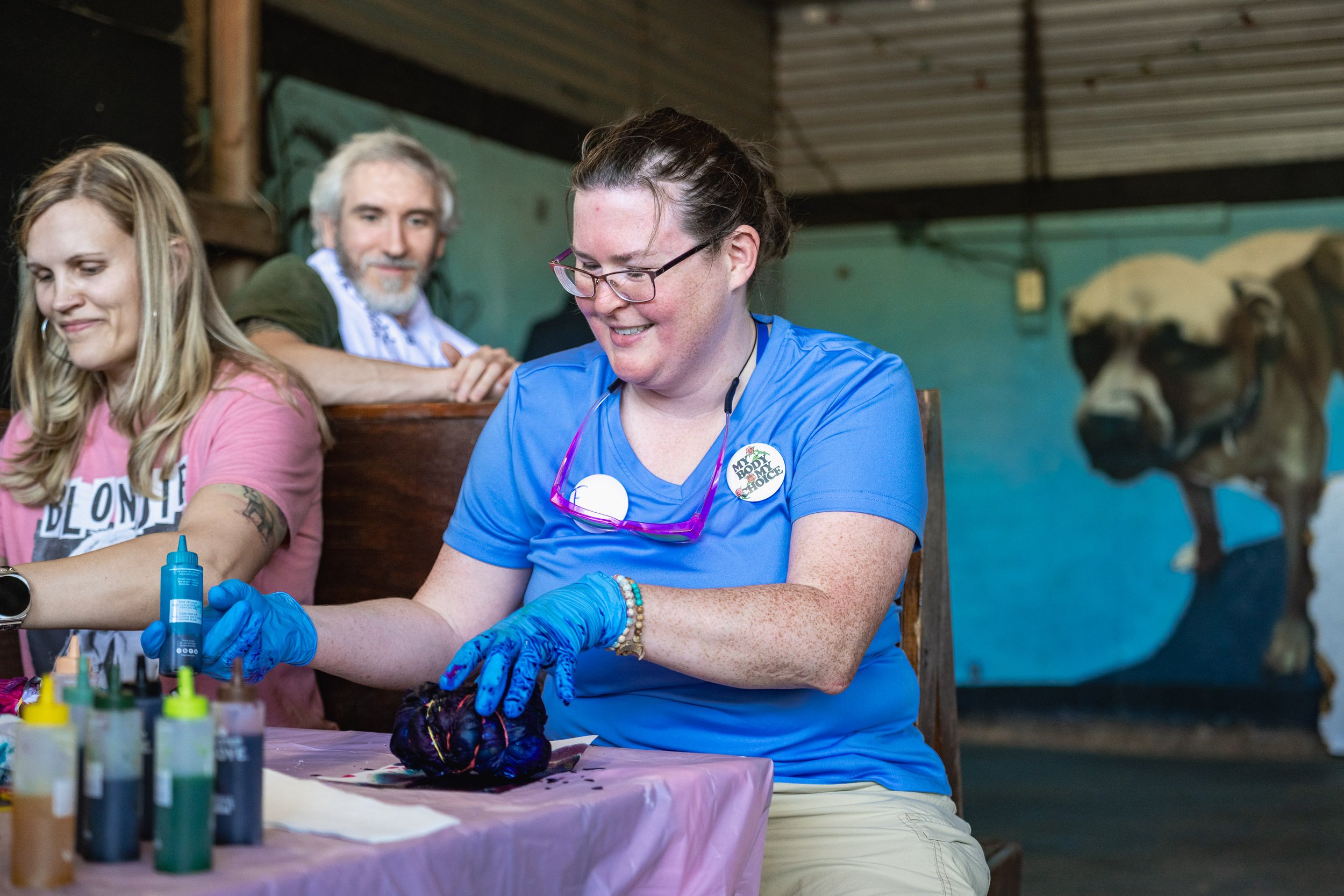
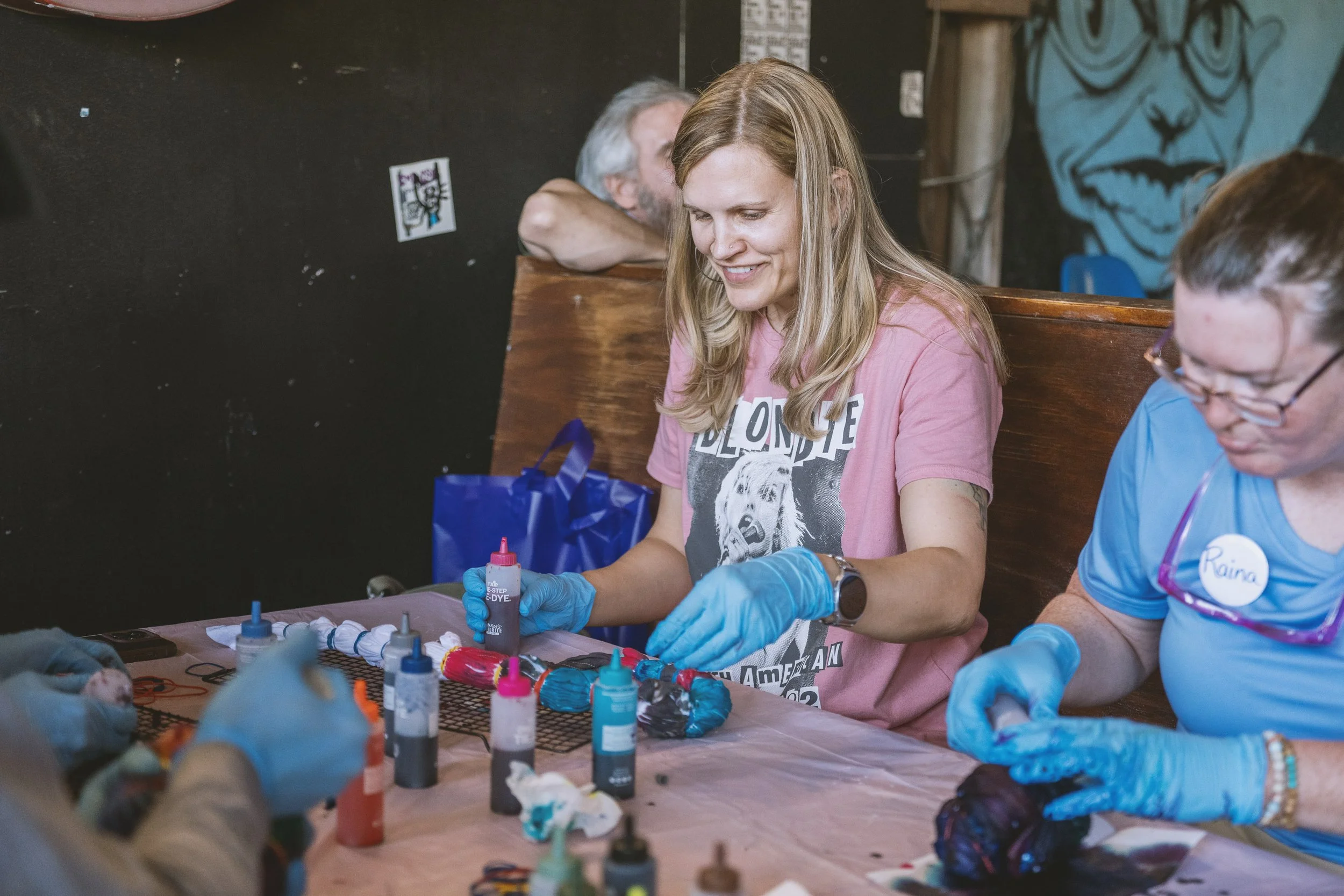
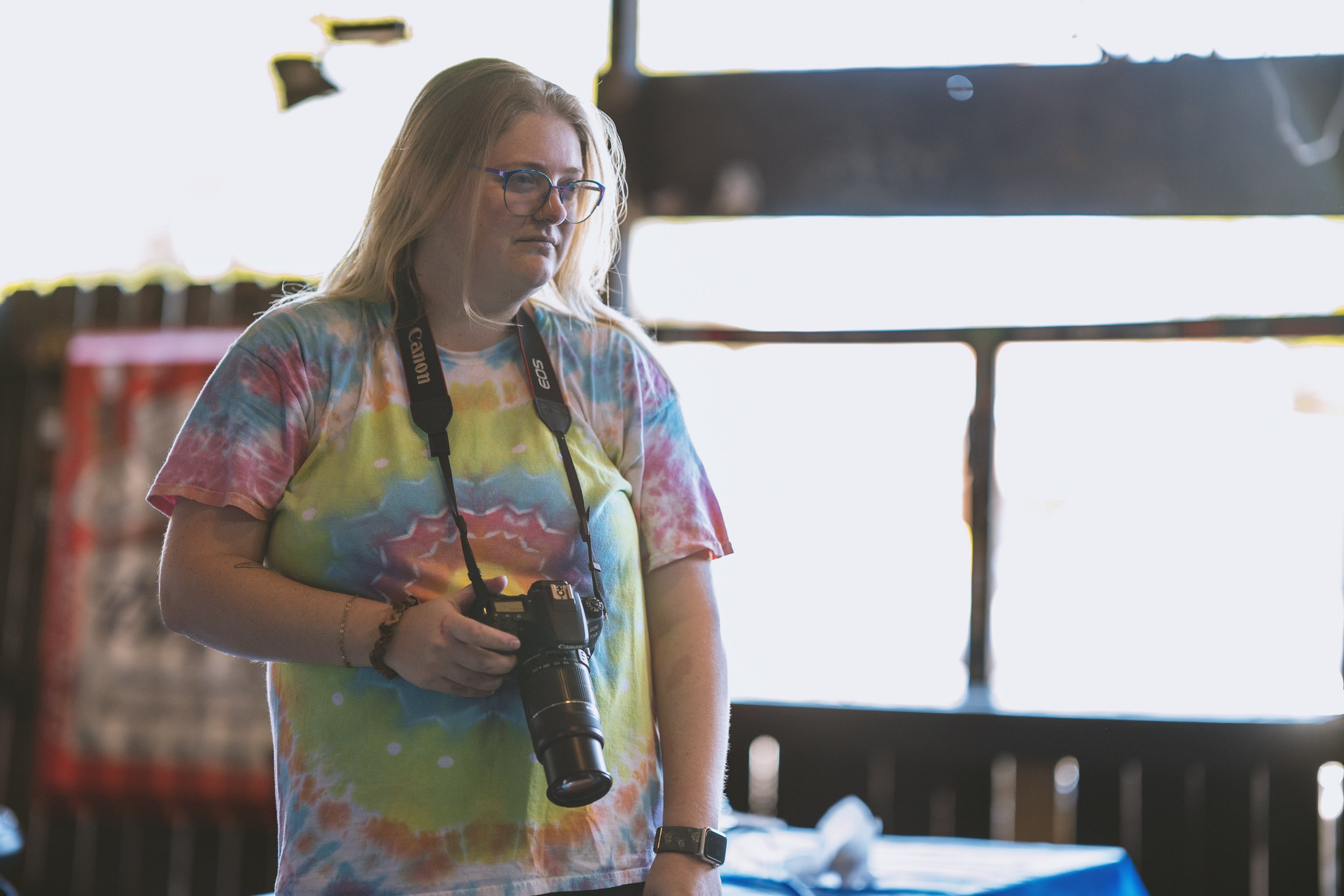
Once The Tin Roof finally opened, the real work began. I should confess that while I am comfortable with computers and cameras, I am functionally illiterate when it comes to the textile arts. I walked into the dye station as a total novice, surrounded by people who seemed to possess an innate, professional understanding of rubber bands and pigment saturation.
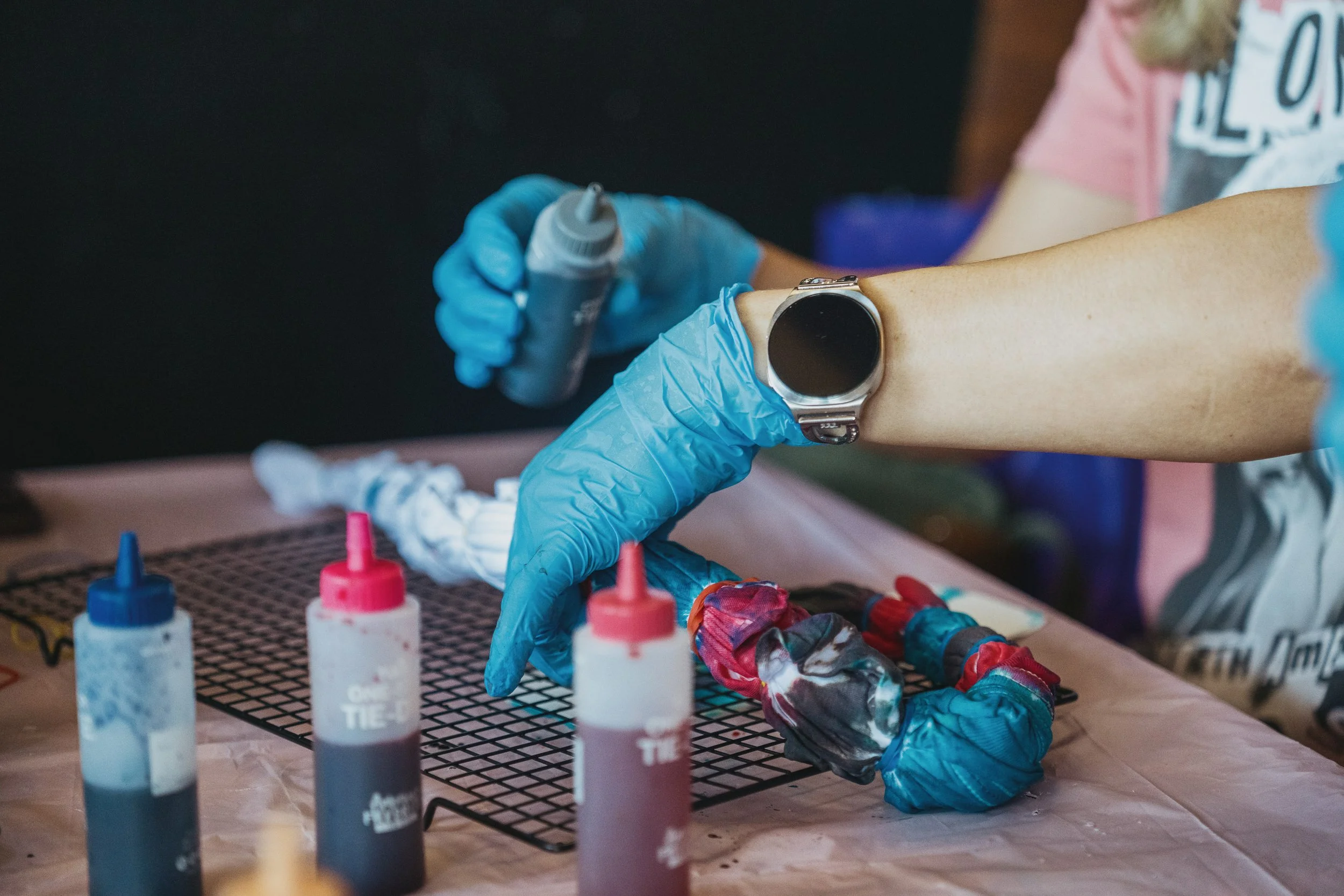
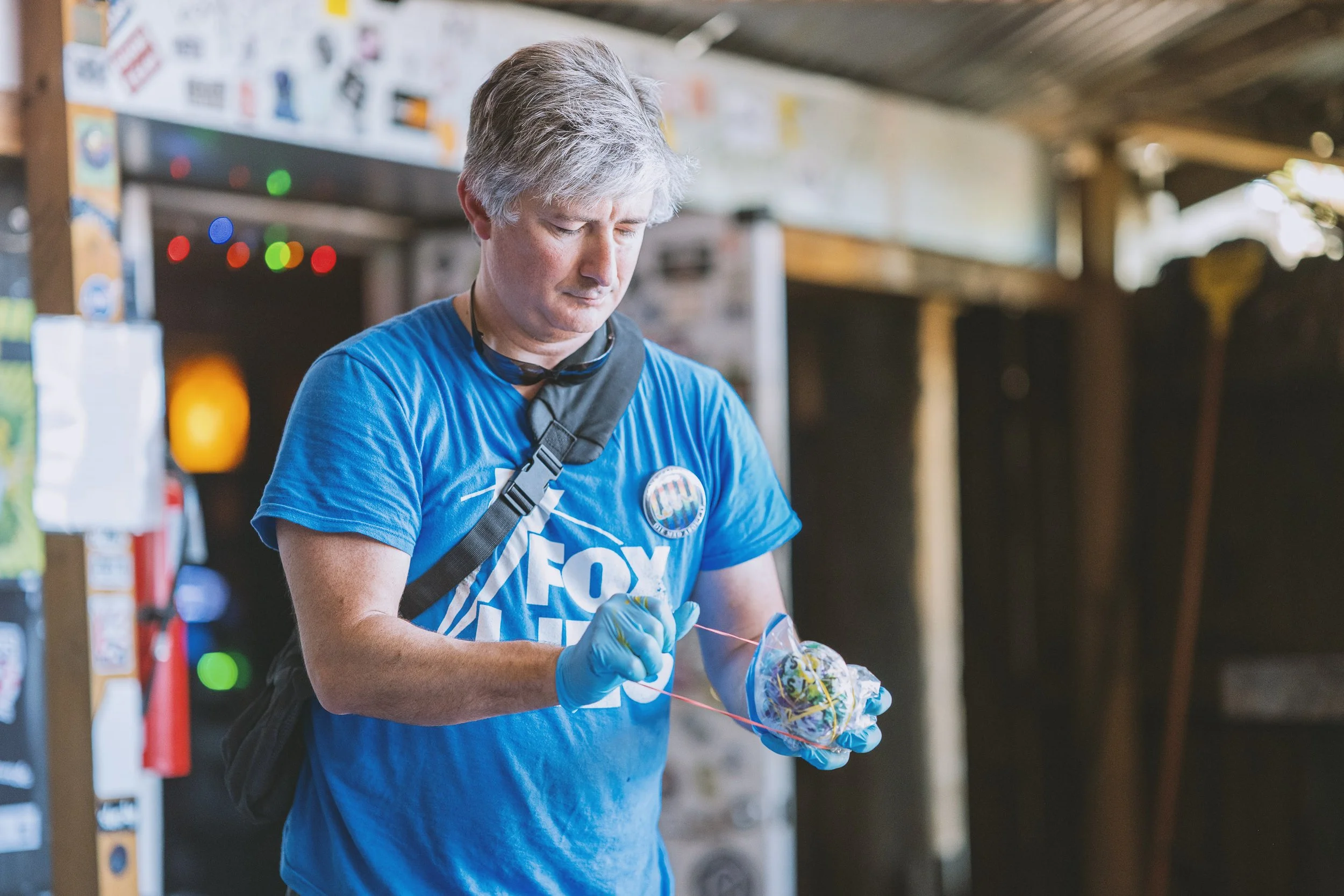
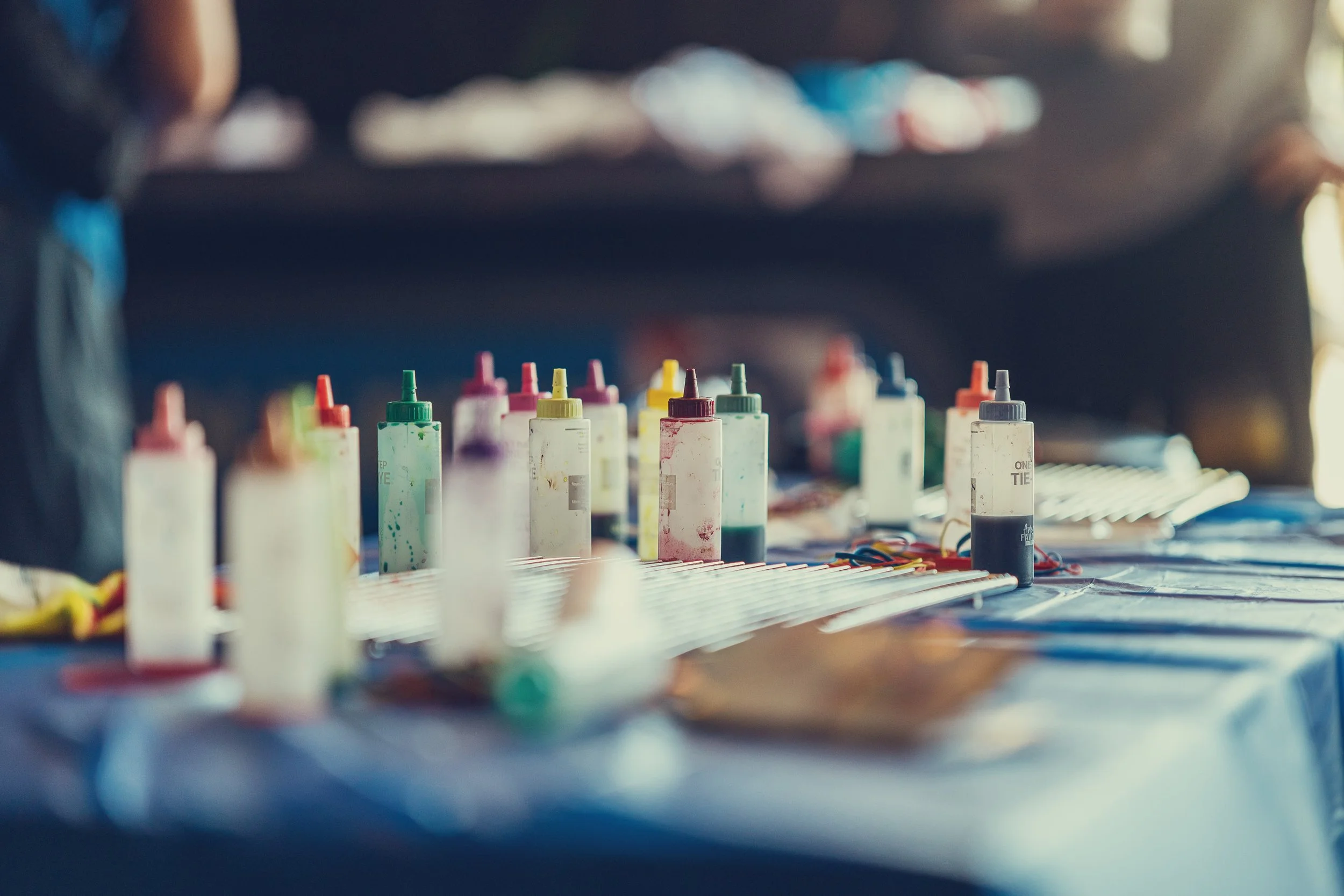
The concentration in the room was palpable as people twisted and bound fabric into tight, concentric circles. There were rows of squeeze bottles filled with vibrant Procion dyes, a minimalist’s rainbow full of potential. The "pros" at the table were incredibly patient, showing me the ropes and explaining that tie-dye is, at its heart, an exercise in relinquishing control. You can choose your colors and your patterns, but once the dye hits the fiber, the chemistry takes over. You never truly know how it’s going to look until the reveal, which feels like a fairly apt metaphor for the pursuit of justice.
But as the shirts were being soaked in swirls of fuchsia and turquoise, the atmosphere remained grounded in the gravity of why we were there. It is easy to get lost in the joy of a Saturday, but the legislative reality in South Carolina is anything but joyful. Currently, our state has limited abortion access to a six-week window, a timeline designed not for health, but for restriction.
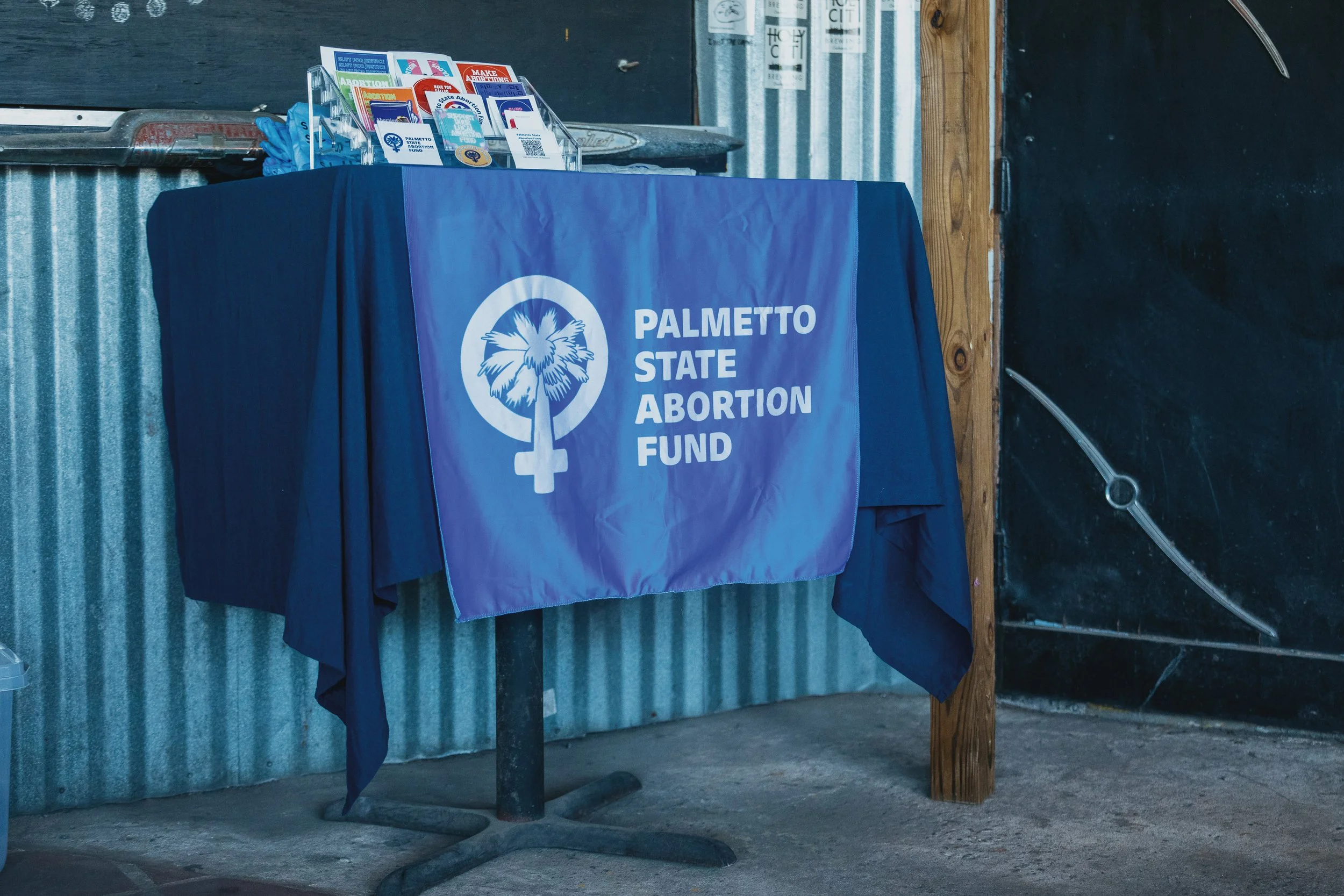
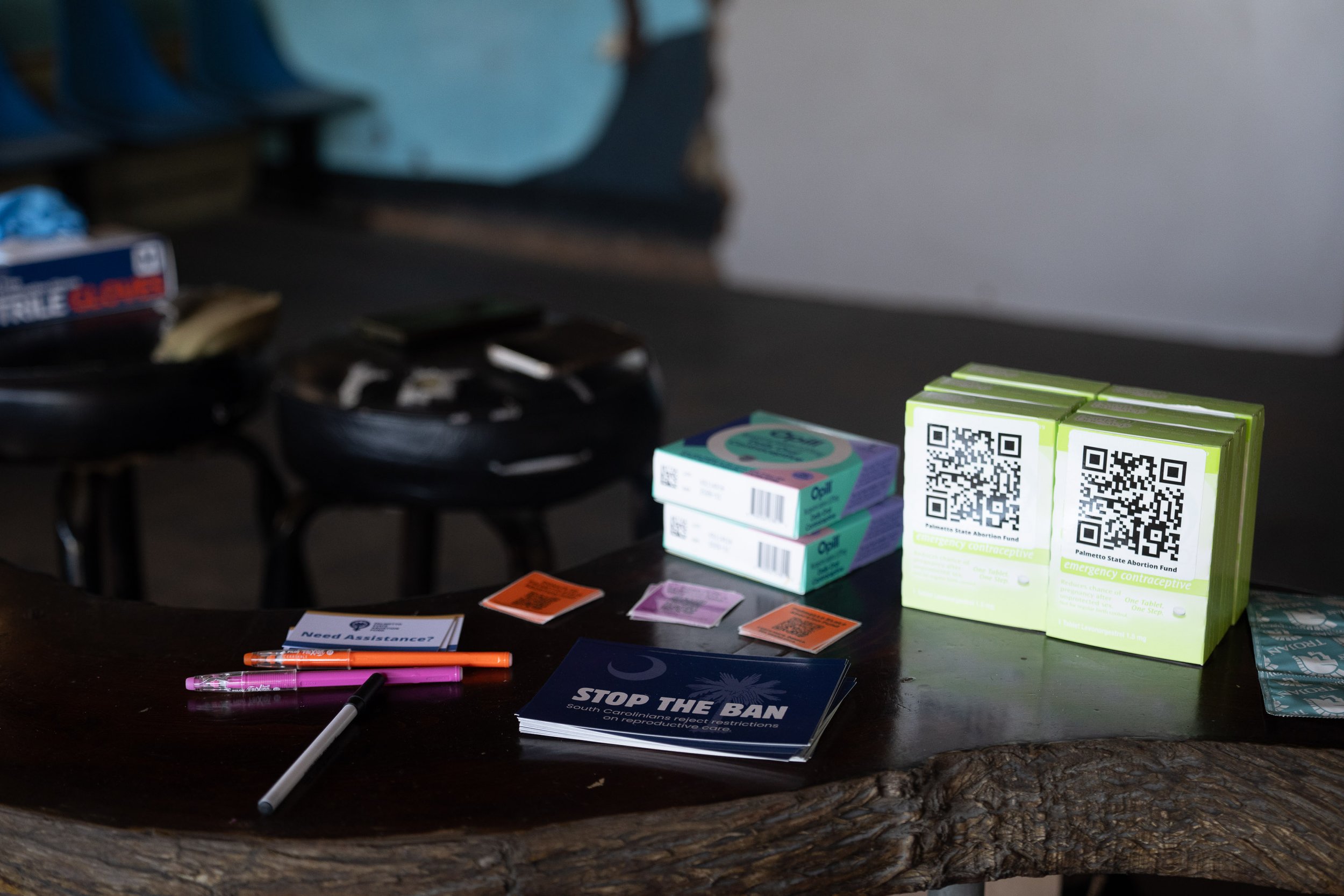
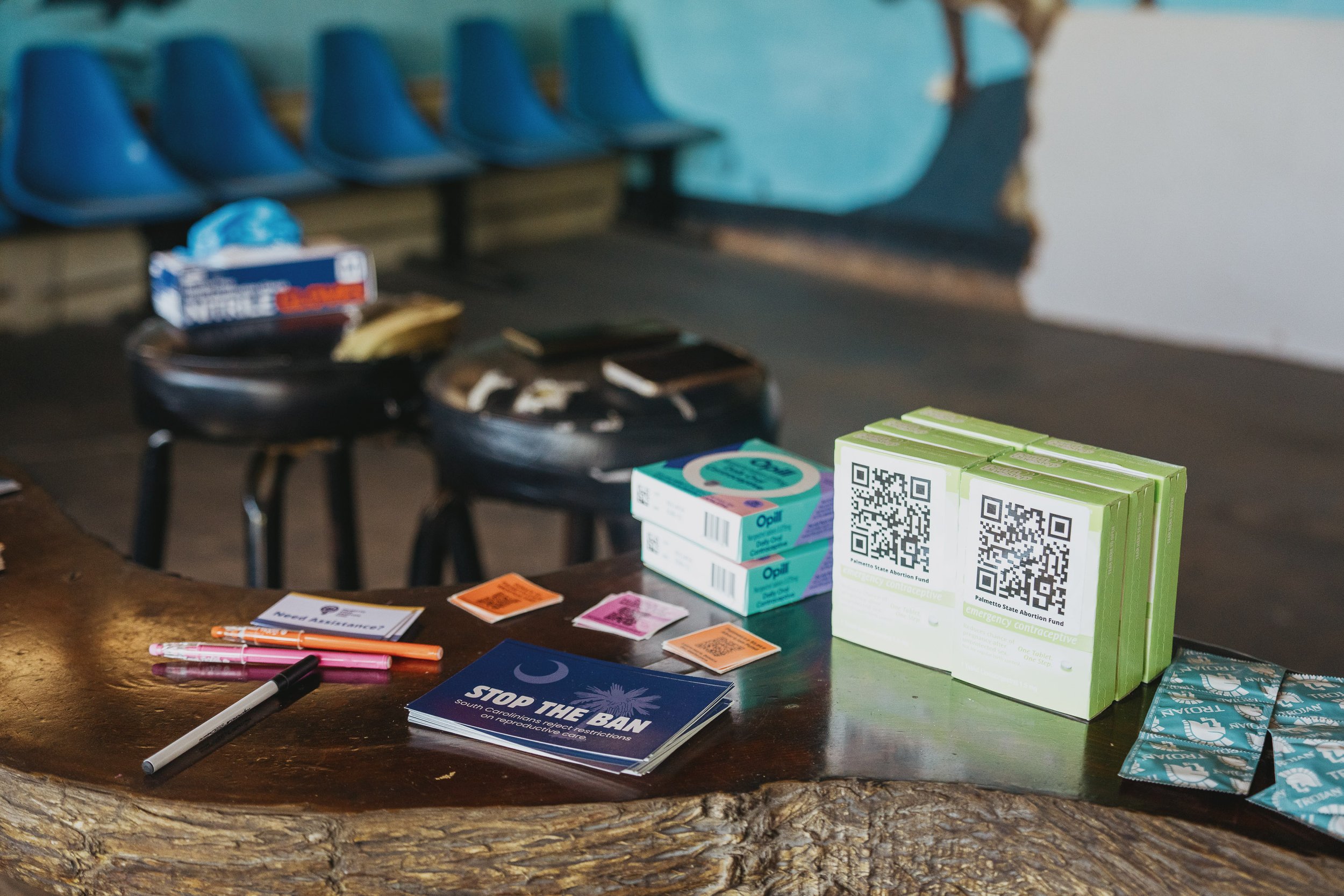
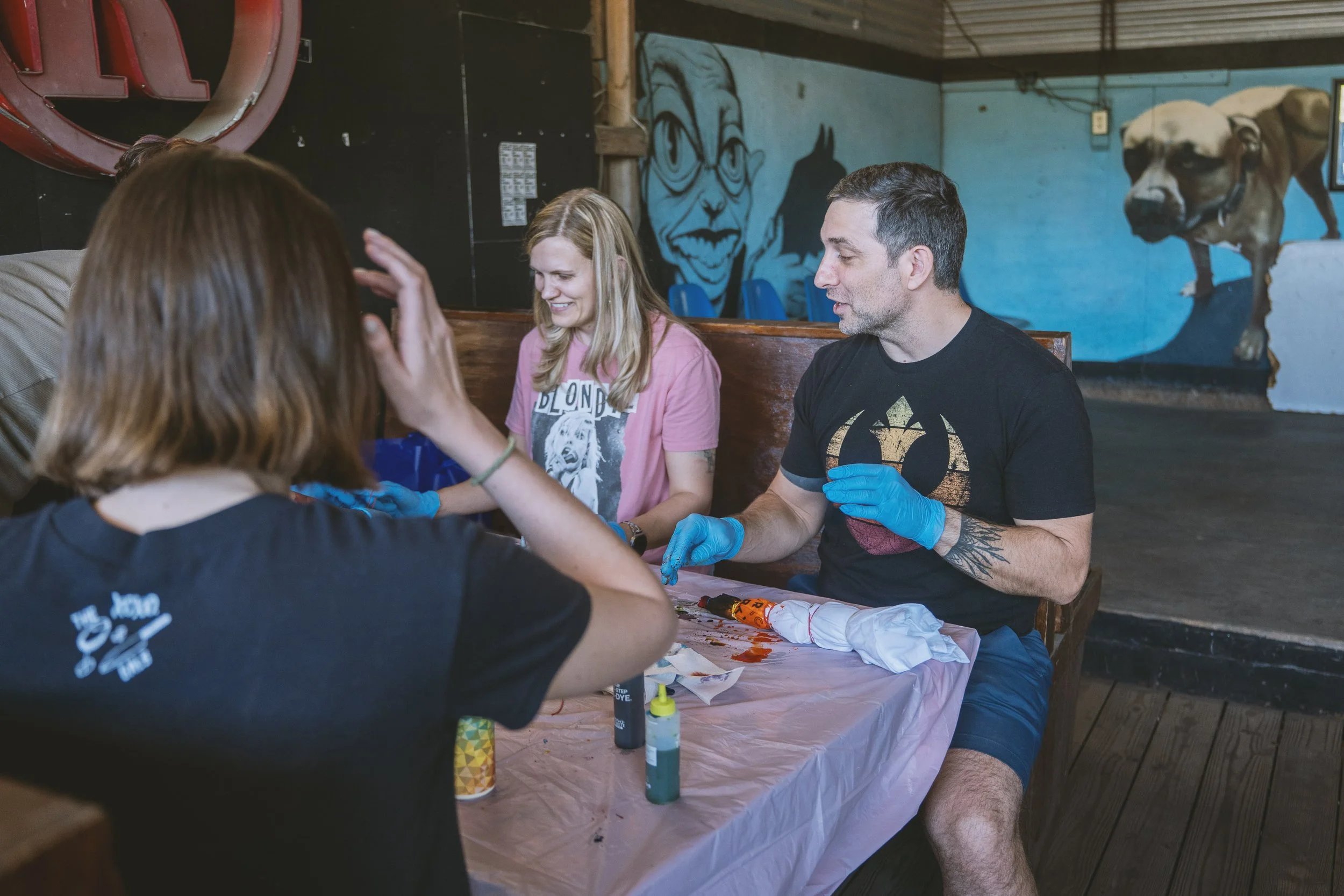
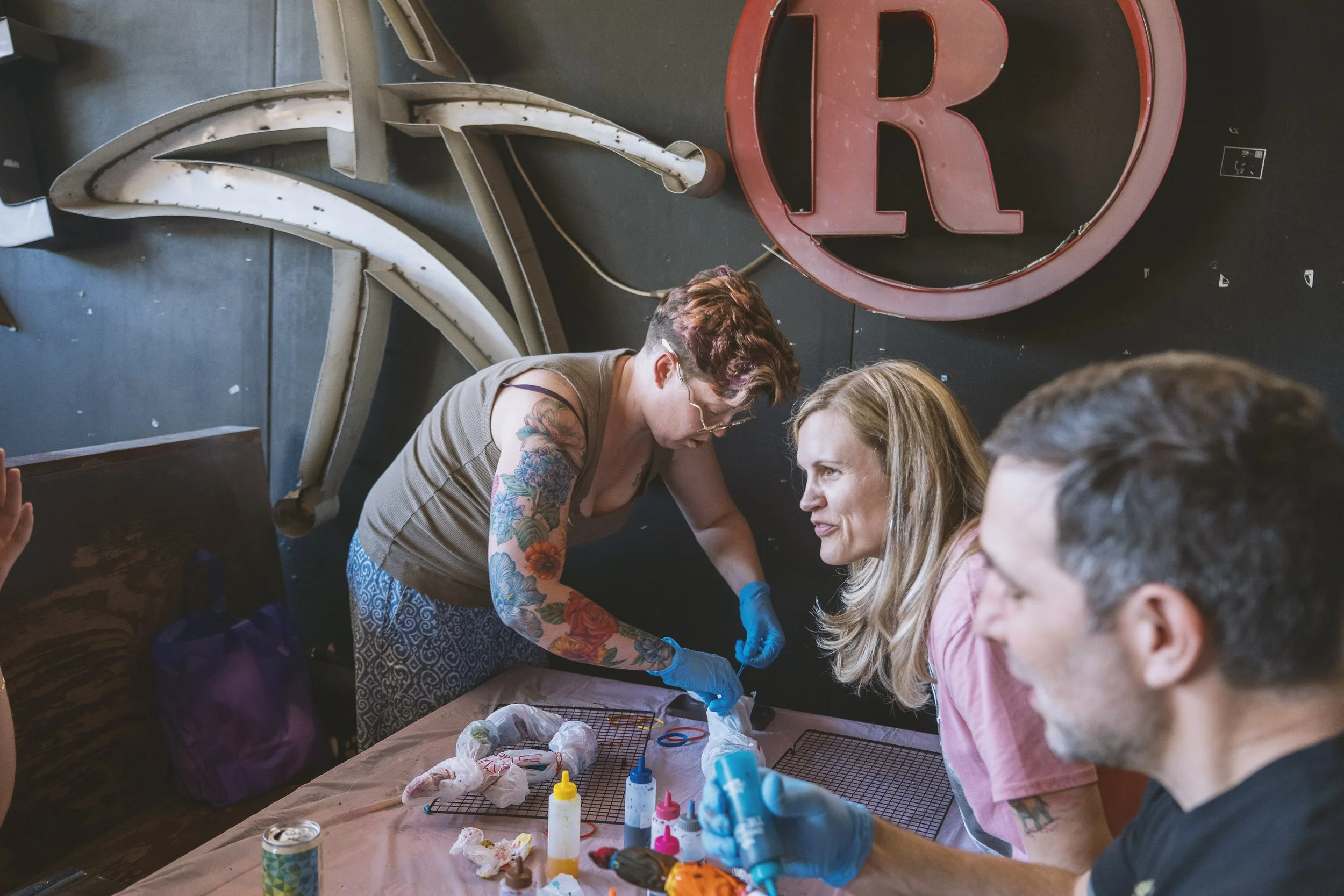
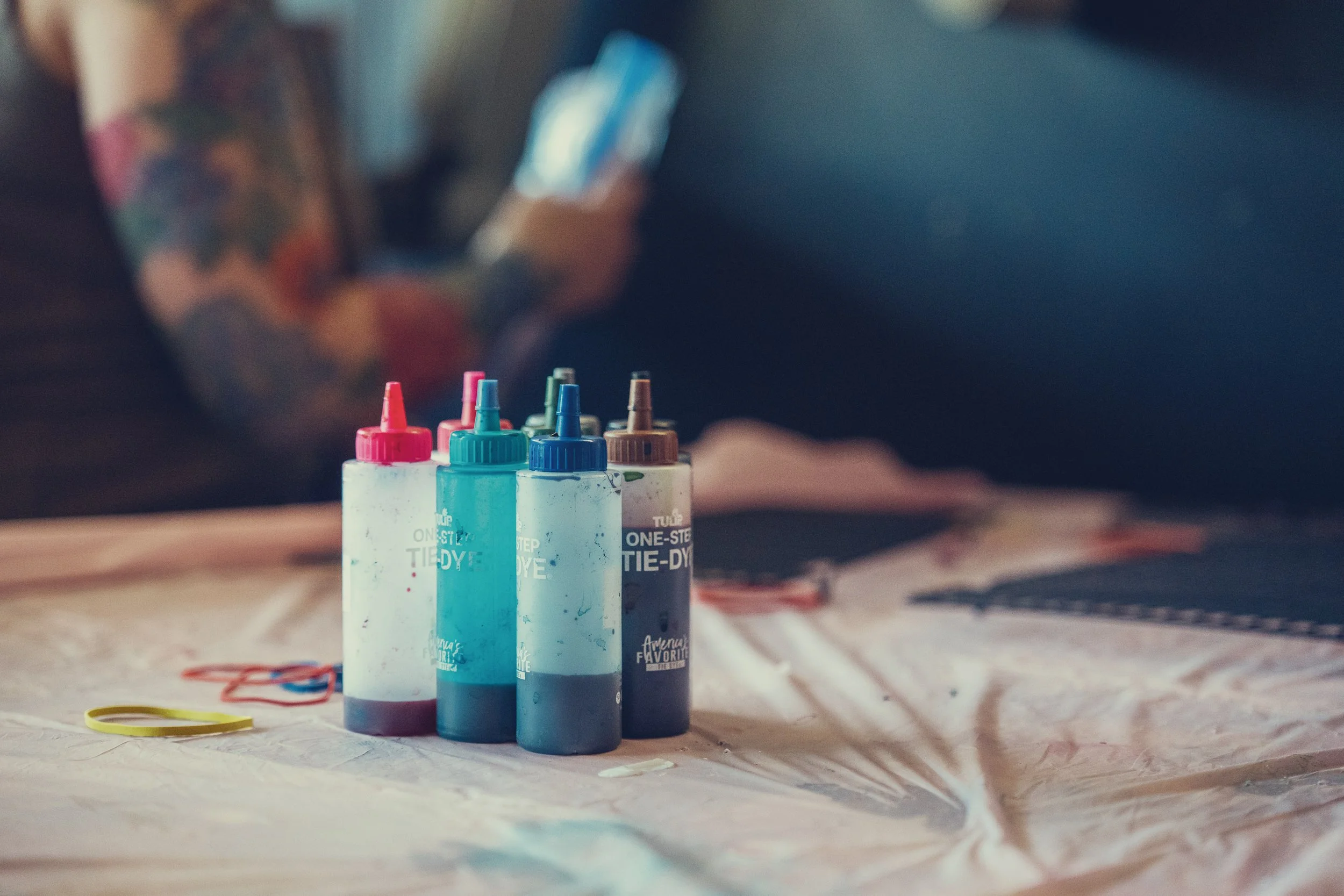
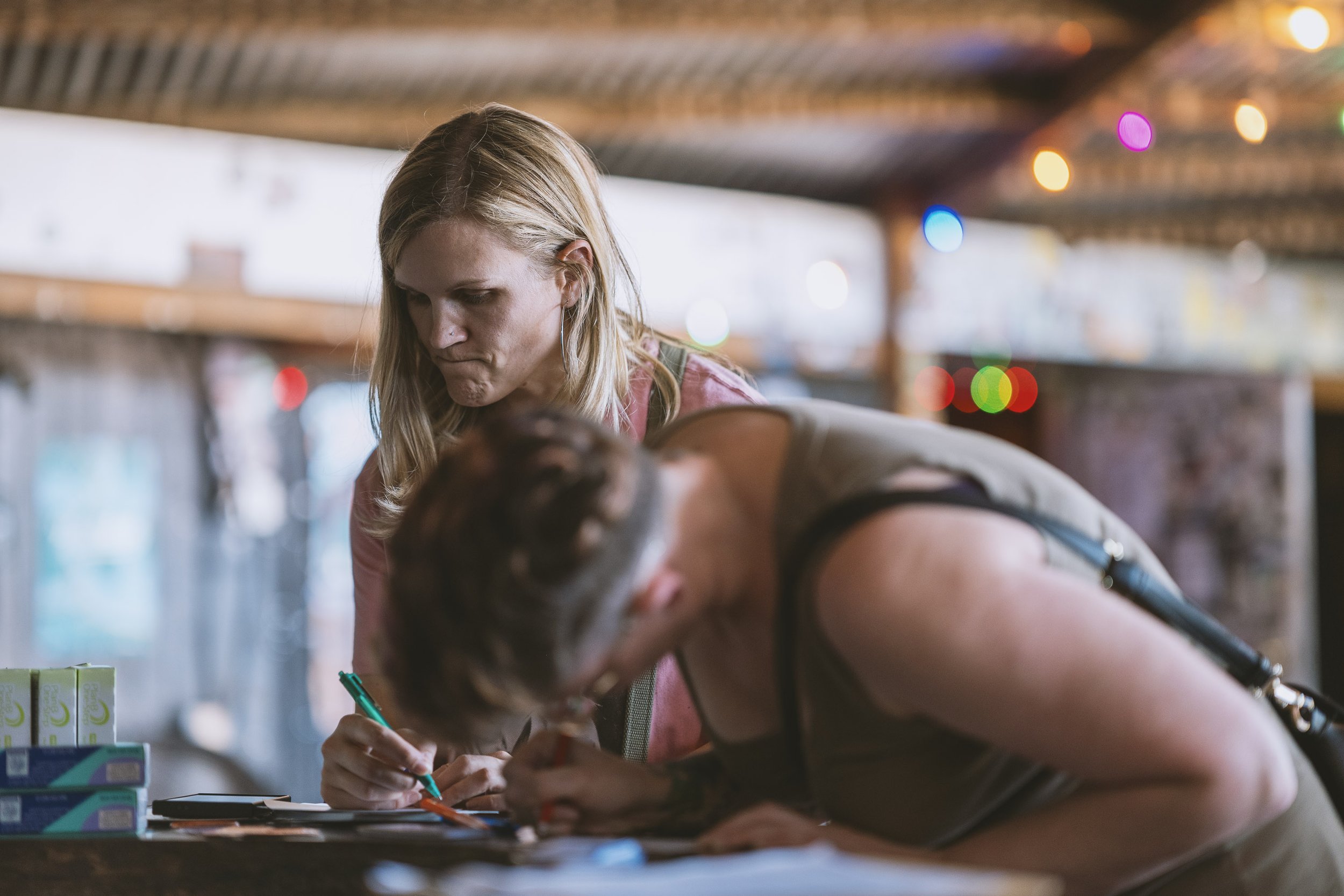

And yet, the legislature seems to believe this isn't enough. On April 1st a new bill was introduced that would effectively ban abortion in South Carolina entirely, unless the pregnant person’s life is in danger. This bill would make performing an abortion a felony and receiving one a misdemeanor. It is an attempt to map the boundaries of a person's body from a desk in Columbia.
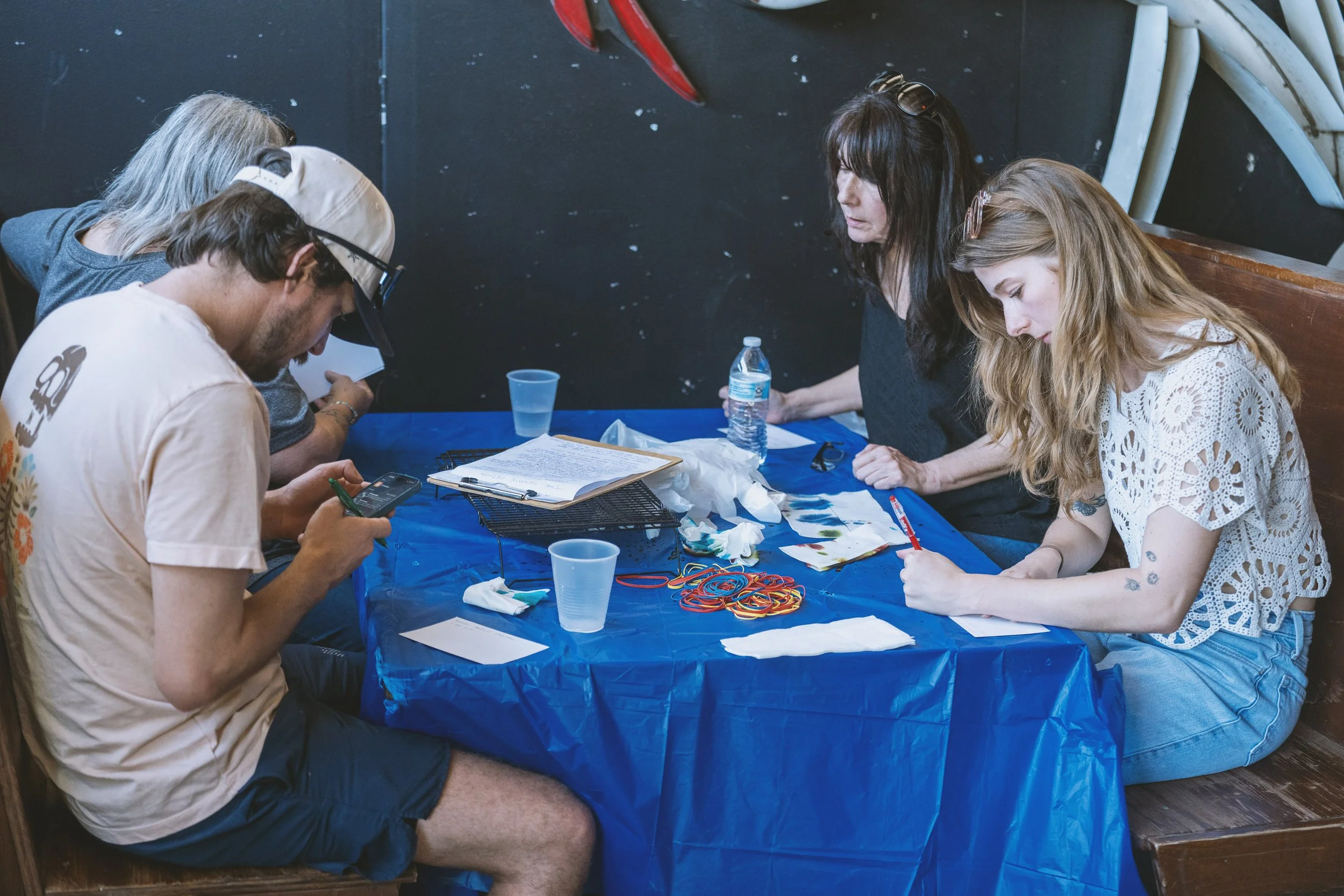
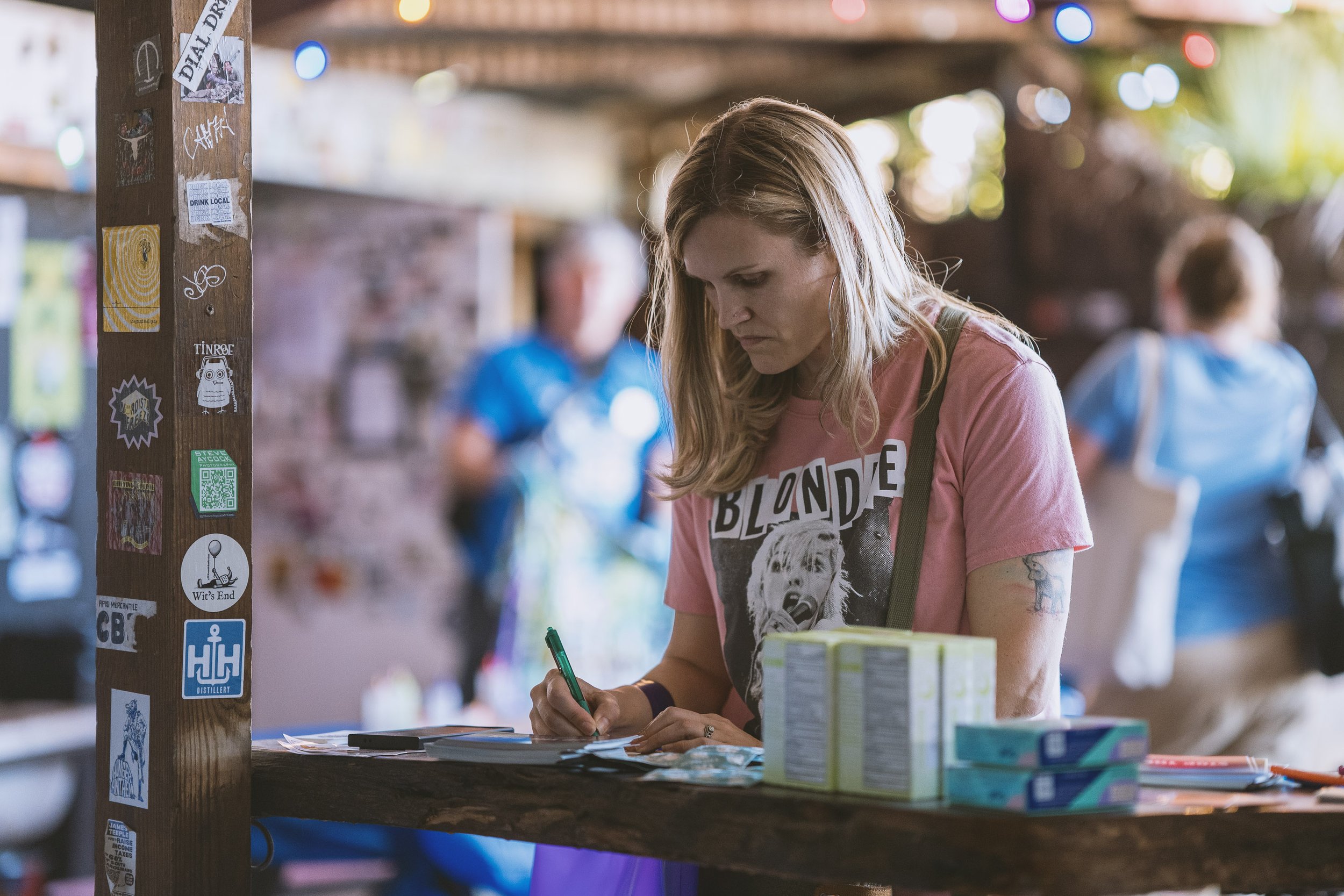
So, between applications of dye, we picked up pens. We filled out postcards to the South Carolina Congress, adding our voices to the pile of dissent. We told them we are watching. We told them that women demand authority over their own bodies. The fellowship was as vibrant as the dye; we exchanged names and numbers, weaving ourselves into a tighter network. This is how movements survive, through the small, messy afternoons where people get dye on their fingers and decide they aren't going to let their neighbors fight alone.
As I headed home, my own tie-dye shirt was bundled up, still "processing" in a plastic bag. I don’t know yet if I’ve created a masterpiece or a muddy disaster. But the shirt is just a keepsake of a day spent with people who refuse to be silent. It’s a reminder that even when the doors are locked and the laws are unjust, we can still show up for each other. When it’s finally rinsed and dried, I’m going to wear it proudly. Because in the face of a legislature that wants to make the world smaller, the most radical thing you can do is be loud, be colorful, and refuse to go away.